
Toner vs. Ink: Which Lasts Longer? Understanding the Longevity Difference
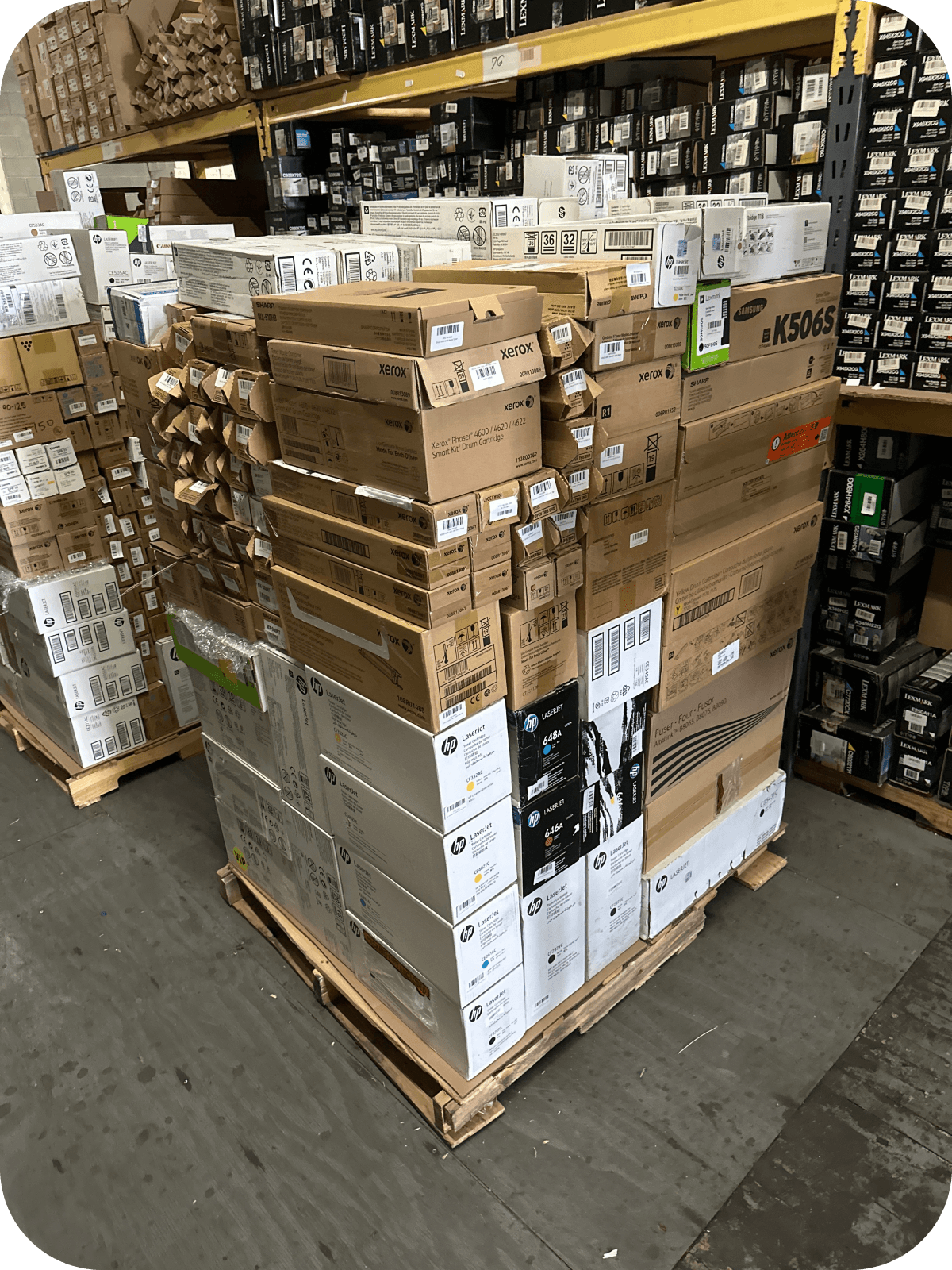
When comparing toner vs. ink, toner generally lasts longer both in shelf life and page yield. Toner powder is less likely to dry out than liquid ink, making laser printers a better choice for high-volume or infrequent printing, while inkjet printers remain ideal for vibrant color printing and photos.
What Is the Difference Between Toner and Ink?
Toner is a fine powder used in laser printers, while ink is a liquid used in inkjet printers.
Although both are designed for printing, toner and ink work very differently.
Toner
Toner is a dry, powdered substance used by laser printers. It is fused onto paper using heat, creating durable and sharp text or graphics.
Ink
Ink is a liquid solution sprayed onto paper through tiny nozzles inside an inkjet printer. It is commonly used for printing photos and colorful documents.
Both have advantages, but their longevity differs significantly.
Does Toner Last Longer Than Ink?
Yes. Toner generally has a longer shelf life and produces more printed pages than ink cartridges.
One of the biggest differences between toner and ink is how long they remain usable.
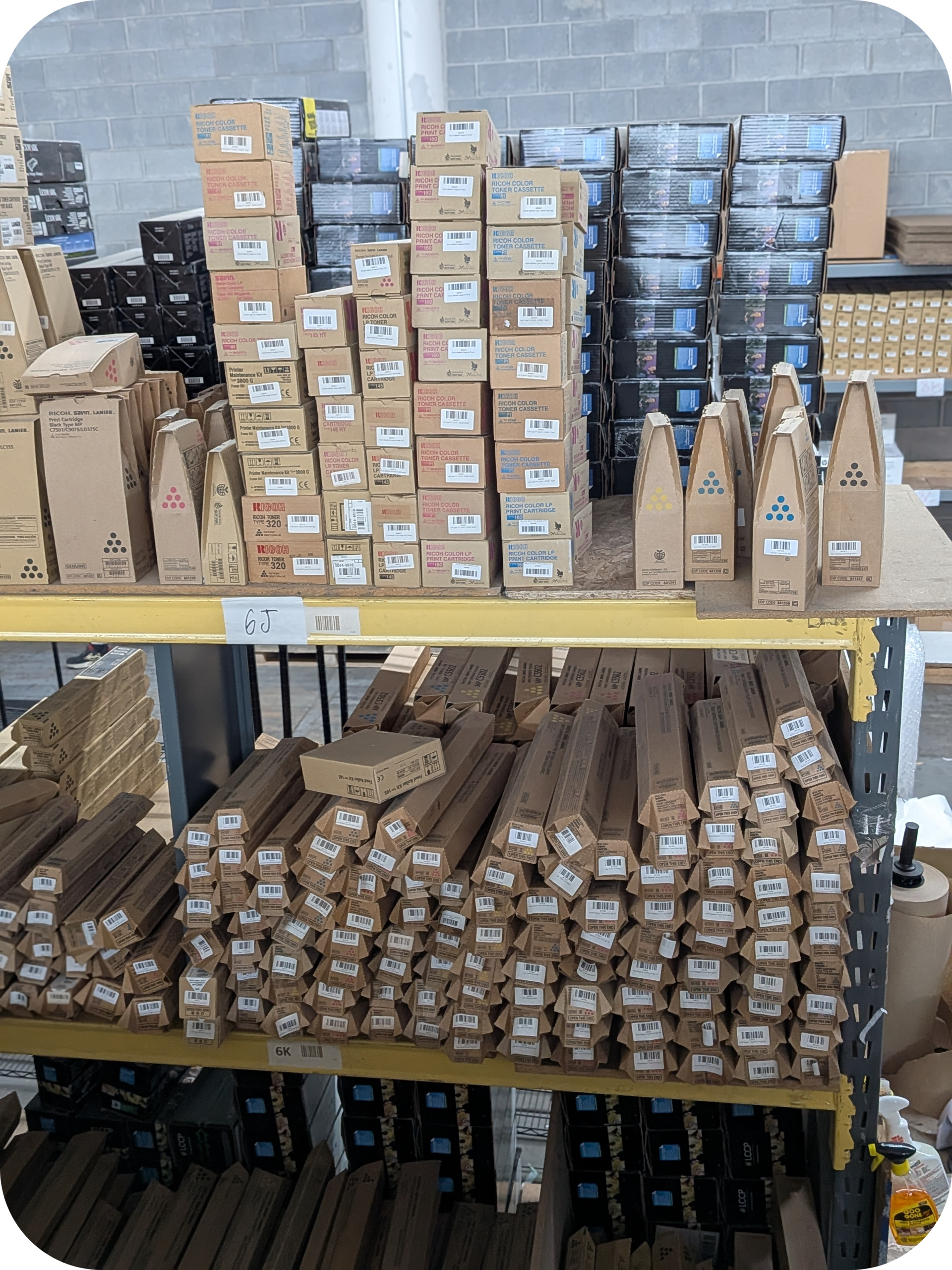
Toner cartridges contain dry powder, which does not evaporate like liquid ink. As a result, toner can often remain usable for much longer when stored correctly.
Ink cartridges, on the other hand, may dry out over time, especially if they are not used regularly.
For businesses that print frequently, or only occasionally, this longer shelf life can make toner a practical choice.
Toner vs. Ink Shelf Life
Toner usually lasts longer in storage than ink cartridges.
When stored in a cool, dry environment:
Toner
- Typical shelf life: 2–3 years
- Less likely to dry out
- Performs well after long storage if unopened
Ink
- Typical shelf life: 1–2 years
- Liquid ink can dry inside the cartridge
- Performance may decline if stored improperly
Actual shelf life depends on the manufacturer, storage conditions, and whether the cartridge remains sealed.
Toner vs. Ink Page Yield
Toner cartridges generally print significantly more pages than ink cartridges.
Page yield measures the estimated number of pages a cartridge can print under standardized testing conditions.
In general:
- Standard toner cartridges often produce 1,000–3,000 pages or more.
- High-yield toner cartridges may exceed 10,000 pages.
- Standard ink cartridges typically print 150–400 pages.
- High-yield ink cartridges often print 500–1,000 pages.
Actual page yield depends on document coverage, printer settings, and print habits.
Which Is More Cost-Effective?
Toner usually costs more upfront but often has a lower cost per printed page.
Many buyers focus only on cartridge price, but cost per page is often more important.
Toner Advantages
- Higher page yield
- Lower cost per page
- Better for frequent printing
- Longer replacement intervals
Ink Advantages
- Lower initial cartridge cost
- Excellent photo quality
- Better for occasional color printing
- Lower printer purchase price
Businesses with heavy printing needs often choose laser printers because toner lasts longer and requires fewer replacements.
Which Produces Better Print Quality?
It depends on what you print most often.
Toner Works Best For
- Contracts
- Reports
- Invoices
- Business documents
- High-volume office printing
Ink Works Best For
- Family photos
- Marketing materials
- Color graphics
- School projects
- Creative printing
Laser printers produce crisp, smudge-resistant text, while inkjet printers excel at detailed color images.
Which Is Better for Long-Term Storage?
Toner is generally better suited for long-term storage.
Unused toner cartridges are less sensitive to drying because they contain powder instead of liquid.
To maximize cartridge life:
- Store cartridges in a cool, dry place.
- Keep them in their original packaging.
- Avoid direct sunlight.
- Protect them from excessive humidity.
Proper storage helps maintain cartridge quality regardless of whether you use toner or ink.
What Should You Do with Unused OEM Toner?
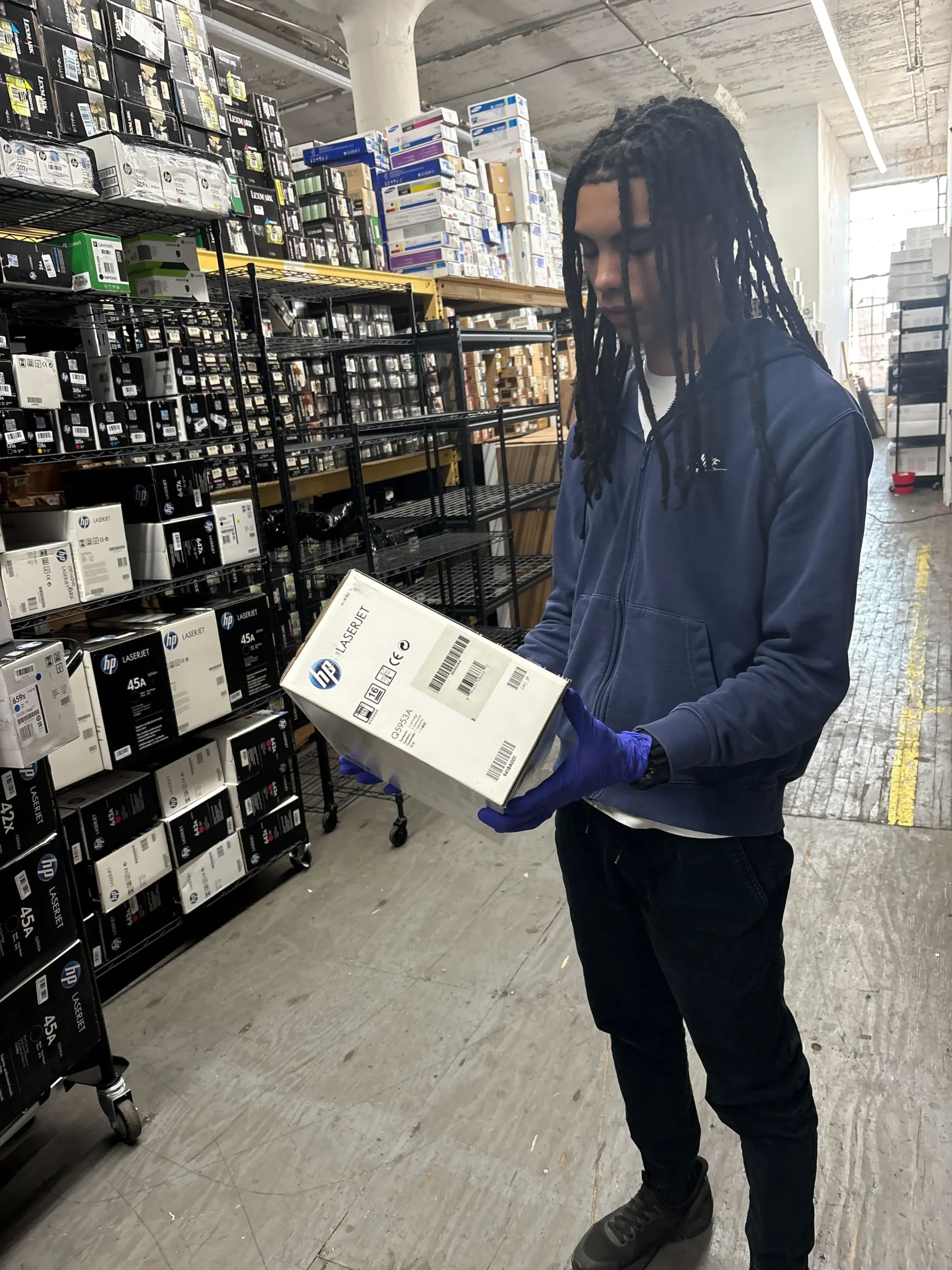
Unused OEM toner may still have value if it is unopened and in good condition.
Businesses often upgrade printers before using all of their toner inventory.
Instead of allowing unopened OEM toner to expire in storage, many organizations choose to sell surplus cartridges.
Toner Connect purchases eligible OEM toner cartridges from businesses, helping recover value while reducing waste.
Helpful Statistics
Recent data highlights the importance of making informed printing and sustainability decisions.
Here are a few useful facts:
- The world generated 62 million metric tons of e-waste in 2022.
- Only 22.3% of global e-waste was formally collected and recycled in 2022.
- Laser printers are commonly chosen in office environments because of their high page yields and lower cost per page for large print volumes.
Toner vs. Ink Comparison
Here’s a simple comparison of toner and ink.
| Feature | Toner | Ink |
|---|---|---|
| Printing Technology | Laser | Inkjet |
| Material | Powder | Liquid |
| Typical Shelf Life | 2–3 years | 1–2 years |
| Typical Page Yield | Higher | Lower |
| Best For | Business documents | Photos and graphics |
| Cost Per Page | Lower | Higher |
| Risk of Drying Out | Very Low | Higher |
Frequently Asked Questions
Here are answers to common questions about toner vs. ink.
Does toner expire?
Yes, but toner generally lasts much longer than ink when stored properly.
Does ink dry out?
Yes.
Liquid ink can dry inside the cartridge if it is not used regularly or stored correctly.
Which saves more money over time?
For frequent printing, toner usually offers a lower cost per page.
Can unused OEM toner be sold?
Yes.
If the toner is unopened and eligible, companies like Toner Connect may purchase surplus OEM cartridges.
Conclusion
Toner generally lasts longer than ink in both shelf life and page yield, making it an excellent option for high-volume and business printing.
Choosing between toner and ink ultimately depends on your printing habits. If you print frequently or need crisp business documents, toner often provides better long-term value. If you primarily print photos or colorful graphics, ink may be the better fit. And if you have unopened OEM toner left over after upgrading your printers, Toner Connect can help you recover value by purchasing eligible surplus cartridges.