
Stop Throwing Away Profit: Toner Selling Mistakes to Avoid
Selling unused toner can be a smart way to recover money from surplus office supplies. However, many businesses and individuals lose profit simply because they make avoidable mistakes during the selling process.
If you want to maximize returns and avoid unnecessary losses, it is important to understand the most common toner selling mistakes to avoid. Small missteps can significantly reduce payout, delay payment, or make cartridges ineligible for resale.
This guide breaks down the most costly errors and how to prevent them.
Mistake #1: Opening the Box Before Verifying the Model
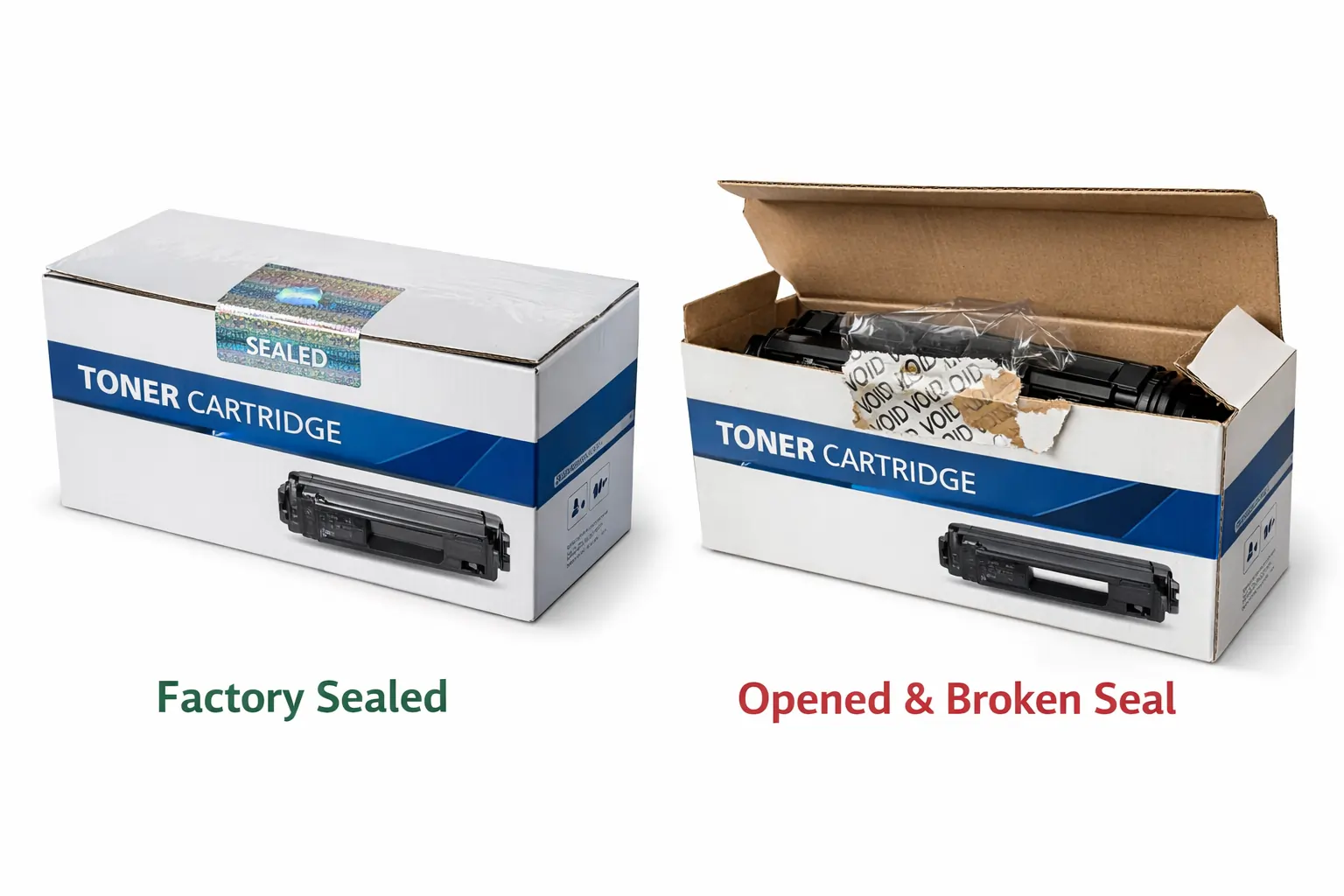
One of the biggest toner selling mistakes to avoid is breaking the factory seal before confirming compatibility.
Once a toner box is opened:
- Resale value drops dramatically
- Many buyback companies will not accept it
- Buyer confidence decreases
Even if the cartridge was never installed, it is no longer considered factory sealed.
Best practice:
Always double-check printer model numbers before opening packaging.
Mistake #2: Waiting Too Long to Sell
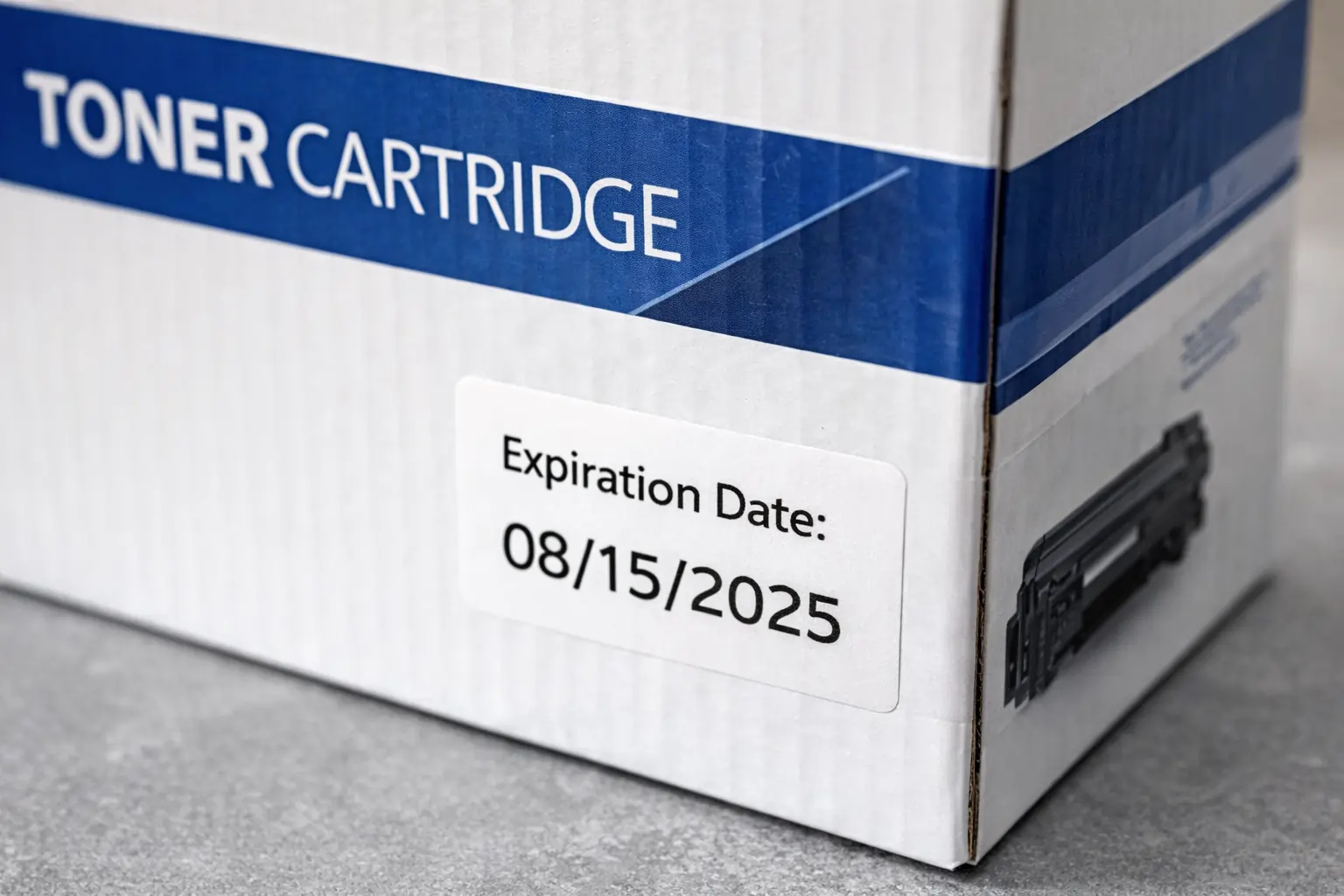
Toner cartridges have shelf lives. While they last longer than ink, they still lose resale value as they approach expiration.
Common issues caused by waiting:
- Reduced buyer demand
- Lower payout offers
- Ineligibility for resale programs
If you know your office is upgrading printers or downsizing, act early. The sooner you sell, the stronger your position.
Mistake #3: Poor Storage Conditions
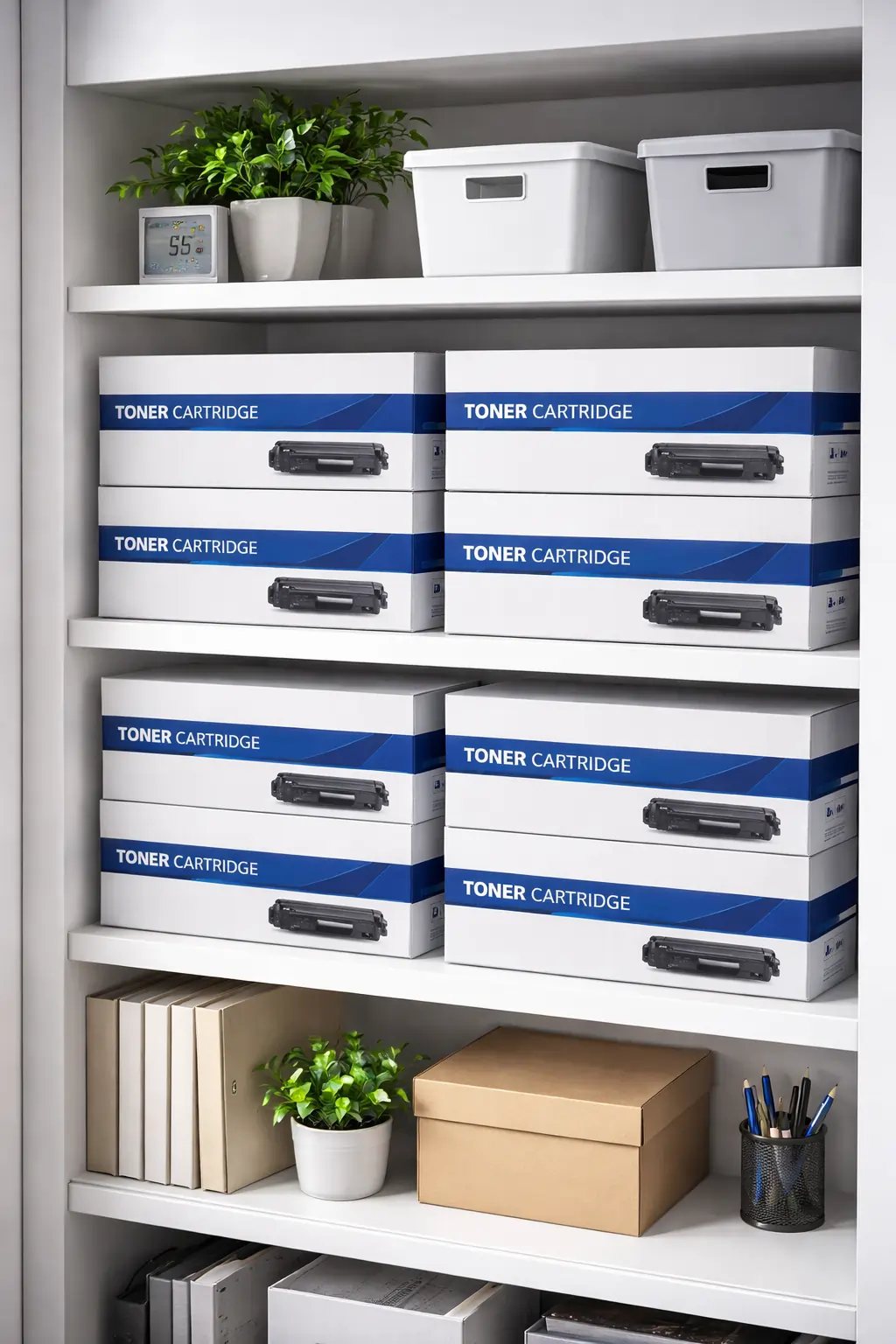
Improper storage can damage packaging and reduce resale value.
Avoid storing toner in:
- High humidity environments
- Direct sunlight
- Extremely hot or cold spaces
- Areas prone to box crushing
Even minor box damage can lower your payout.
Best practice:
Store toner in cool, dry, stable conditions with minimal stacking pressure.
Mistake #4: Writing on the Packaging
It is common for offices to label boxes for internal tracking. Unfortunately, writing directly on the toner box reduces resale grade.
Heavy marker labels, stickers, or tape can:
- Lower condition rating
- Reduce buyback eligibility
- Decrease final offer price
Better alternative:
Use removable labels or track inventory digitally.
Mistake #5: Selling One Cartridge at a Time
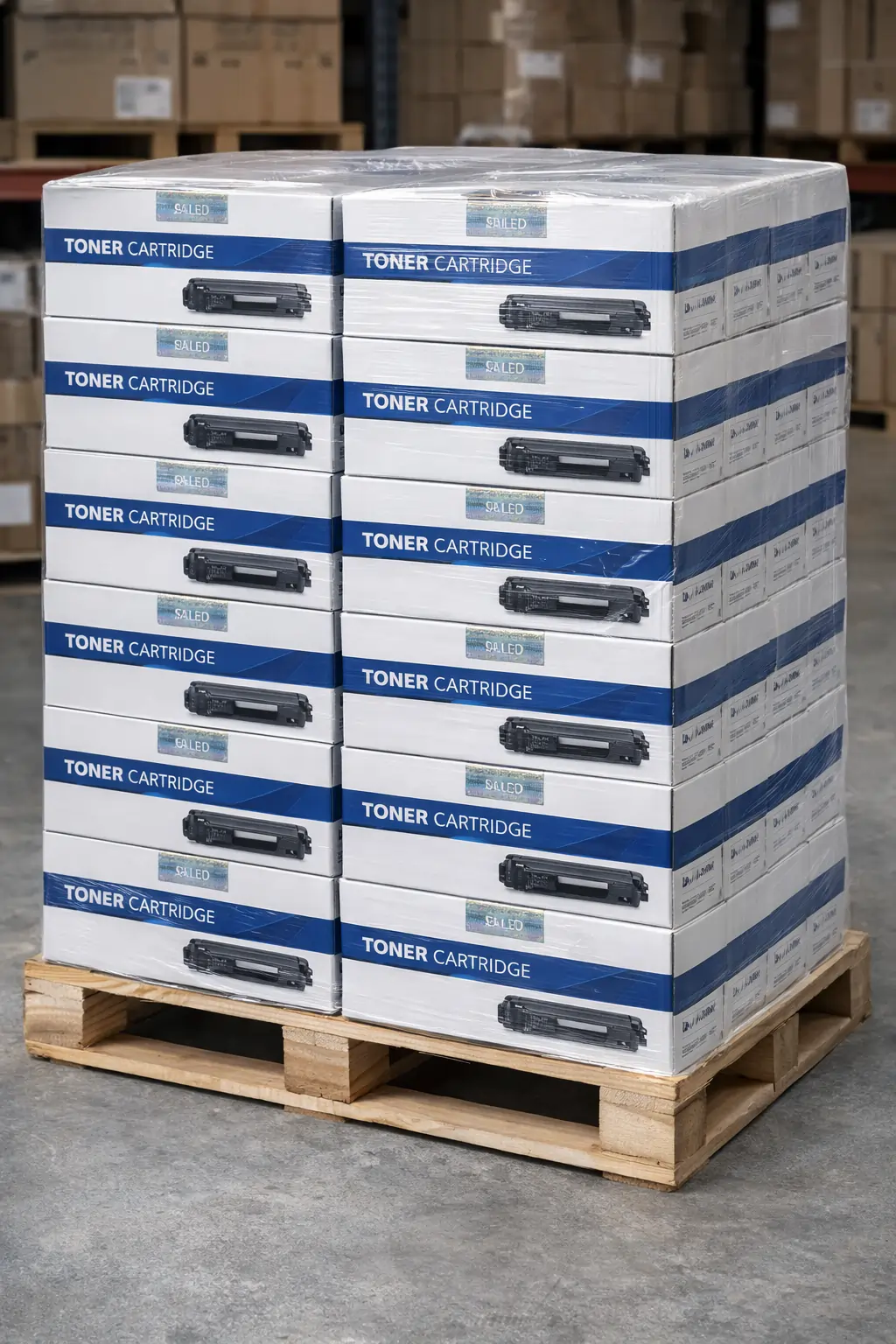
If you have multiple cartridges, selling individually can reduce efficiency and profit.
Issues include:
- Multiple shipping costs
- Increased time spent negotiating
- More exposure to marketplace fees
Bulk selling often results in smoother transactions and stronger offers.
Mistake #6: Ignoring Net Profit

Many sellers focus only on the sale price and ignore fees.
Marketplace fees can include:
- Listing fees
- Final value commissions
- Payment processing charges
- Shipping costs
- Return losses
Always calculate net payout after expenses. A lower upfront offer with no fees may result in higher final profit.
Mistake #7: Mixing Used and New Inventory
Combining used cartridges with sealed inventory can create confusion and reduce credibility with buyers.
Keep clearly separated:
- Factory sealed toner
- Open box toner
- Used or empty cartridges
Clear organization protects your resale eligibility.
Mistake #8: Not Researching the Buyer
Not all buyers operate the same way. Some may:
- Offer unclear payment terms
- Delay inspection
- Provide inconsistent pricing
Before selling:
- Verify company legitimacy
- Review terms and policies
- Confirm inspection process
- Understand payout timeline
Transparency matters.
How to Avoid Losing Profit When Selling Toner?
To protect your return:
- Keep cartridges factory sealed
- Sell before expiration
- Store properly
- Avoid writing on packaging
- Sell in bulk when possible
- Calculate net payout
- Separate inventory clearly
- Work with reputable buyers
These small steps prevent profit from slipping away.
Final Thoughts
Selling toner is not complicated, but simple mistakes can reduce your payout significantly. By understanding the most common toner selling mistakes to avoid, you can protect your inventory value and maximize returns.
Unused toner sitting in storage represents tied-up capital. With the right handling and timing, it can become recovered profit instead of lost opportunity.