Recycling Toner Cartridges vs Reselling: When Should You Choose Each?
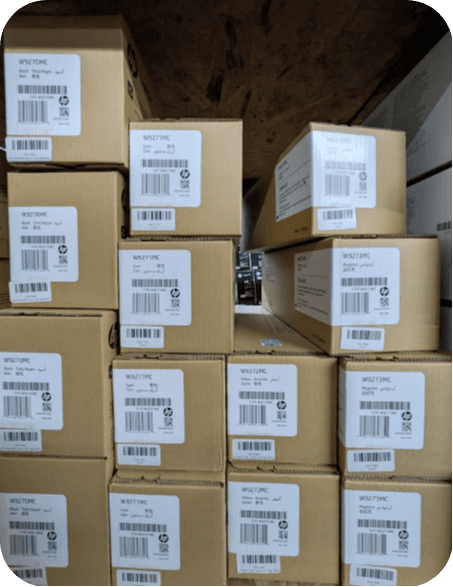
Recycling toner cartridges and reselling unused toner are two of the most common ways businesses handle surplus printer supplies. If your office has extra toner sitting in storage, you may wonder whether recycling toner cartridges or reselling them is the better option. The answer depends on the condition, value, and demand for your toner inventory.
Understanding the Difference Between Recycling and Reselling
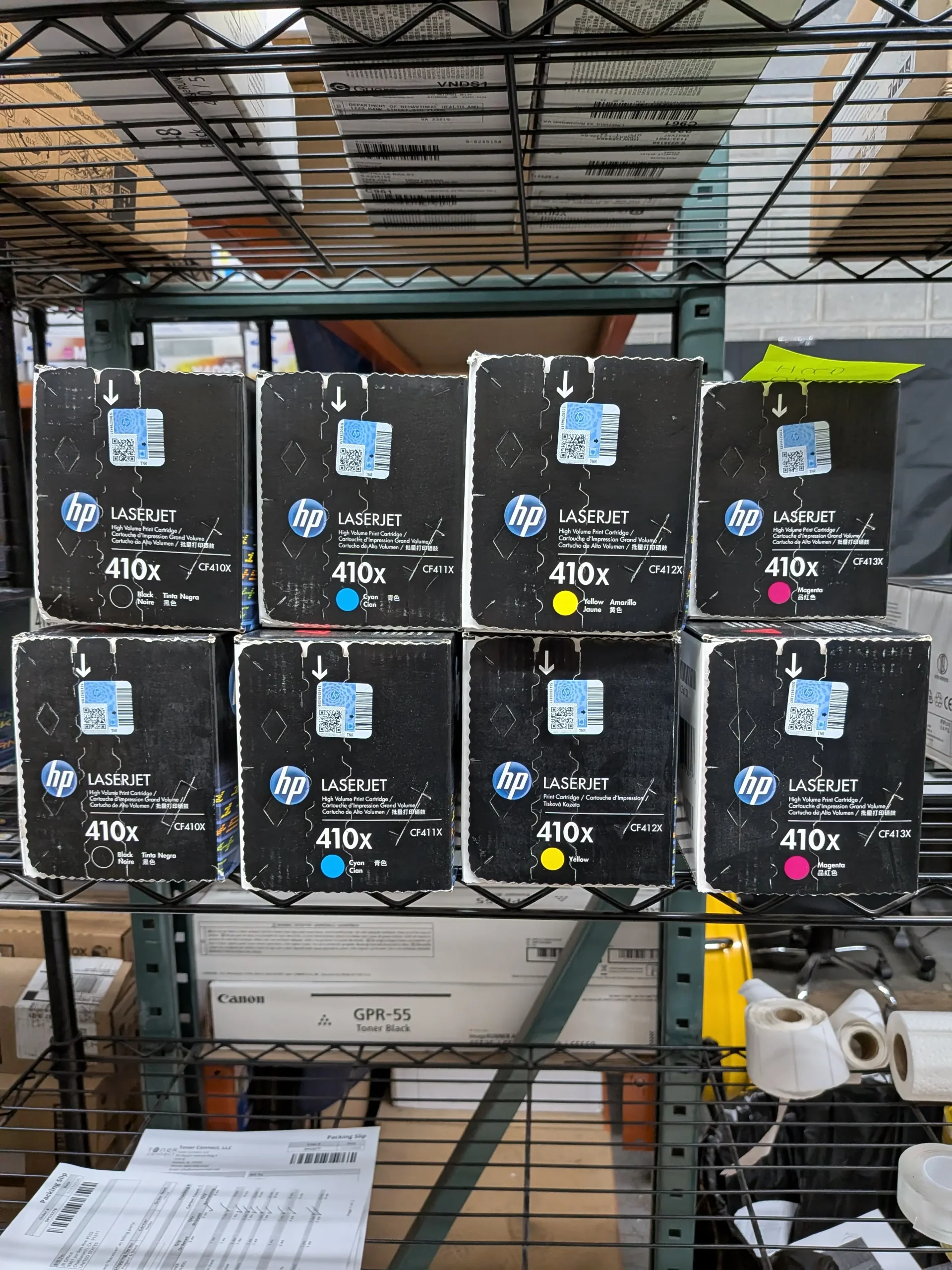
While both options help keep toner cartridges out of landfills, they serve different purposes.
Recycling Focuses on Material Recovery
Recycling programs typically:
- Recover plastics and metals
- Reduce landfill waste
- Support sustainability initiatives
Reselling Focuses on Product Value
Reselling allows:
- Unused toner to be reused
- Businesses to recover money
- Inventory to remain in circulation
Because of this, reselling is often considered before recycling whenever possible.
When You Should Resell Toner Cartridges?
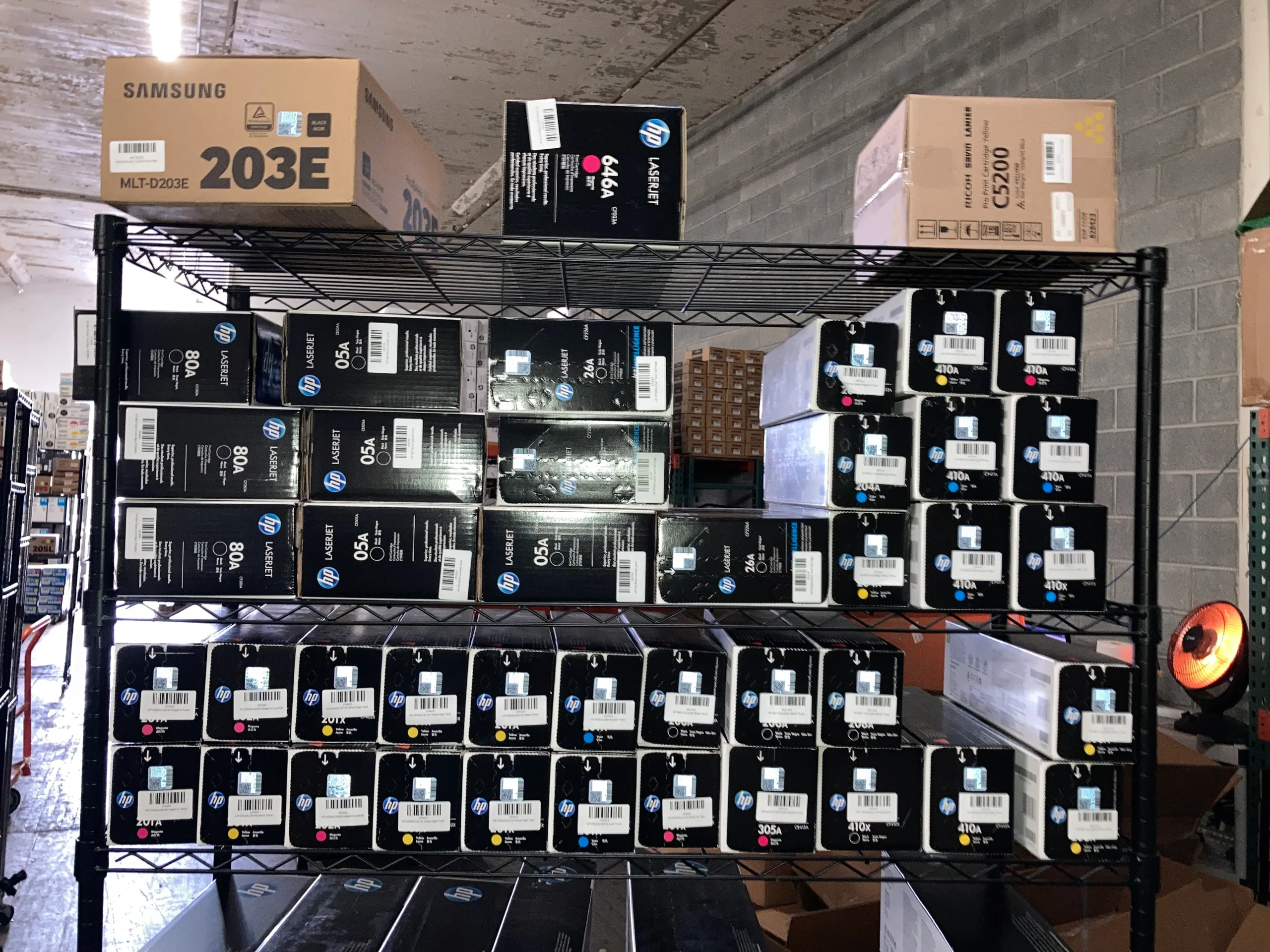
Many toner cartridges still have value long after they’ve been purchased.
Ideal Candidates for Resale Include:
- Unopened OEM cartridges
- Factory-sealed products
- Current toner models
- Properly stored inventory
Common Reasons Businesses Have Surplus Toner
- Printer upgrades
- Office relocations
- Overstock purchases
- Department closures
- Equipment replacements
As a result, many organizations unknowingly store inventory that may still be worth money.
Benefits of Reselling Toner
Reselling offers financial advantages that recycling typically cannot.
Potential Benefits Include:
- Recovering part of your original investment
- Freeing up storage space
- Improving inventory management
- Reducing waste
OEM Toner Often Has the Highest Value
Popular brands may include:
- HP
- Brother
- Canon
- Xerox
- Lexmark
Because of this, unopened OEM toner is often the first inventory businesses should evaluate.
Businesses interested in selling unused toner can explore buyback opportunities through Toner Connect.
When Recycling Is the Better Option?
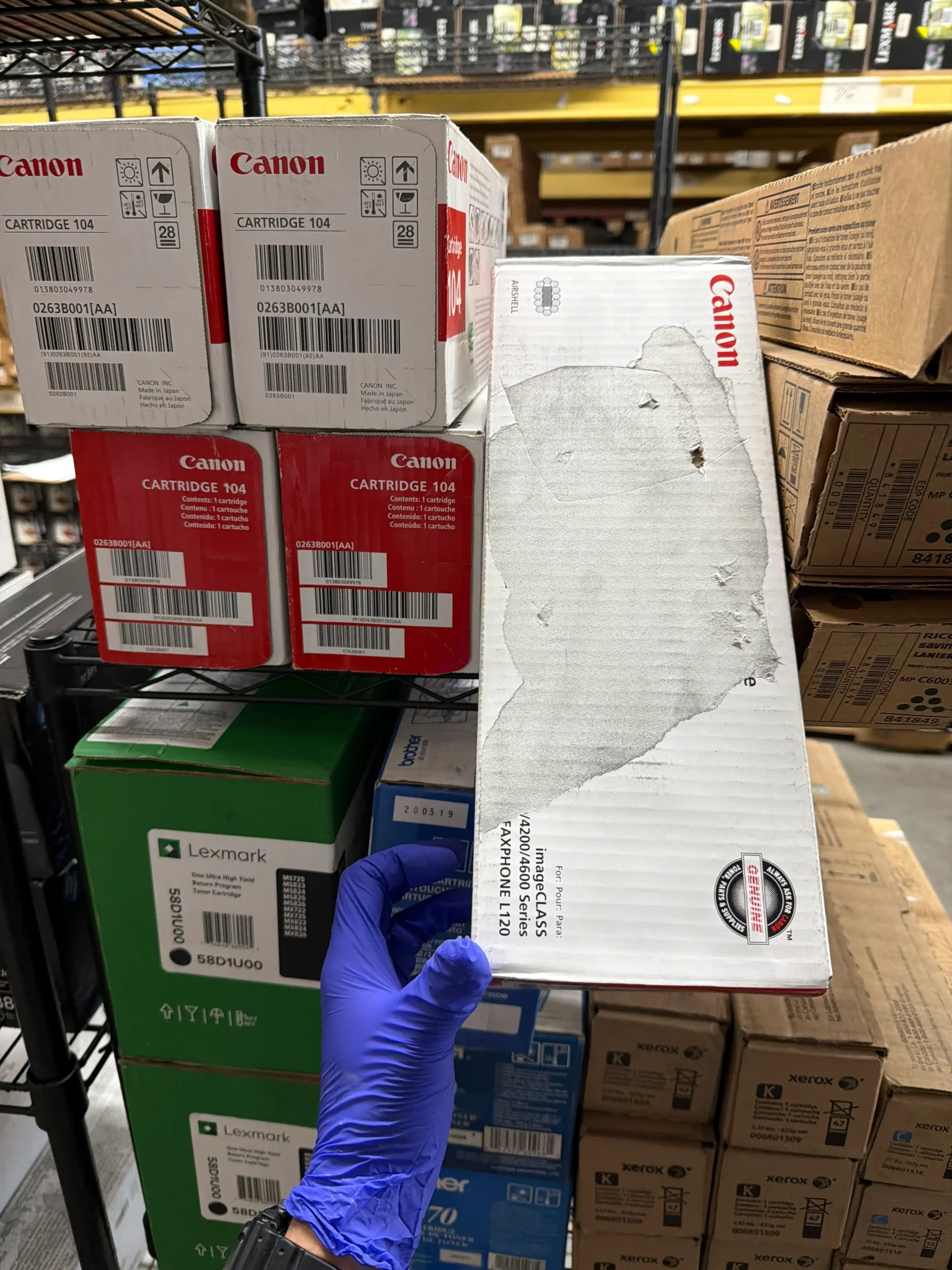
Not every toner cartridge qualifies for resale.
Recycling May Be Best For:
- Empty cartridges
- Heavily damaged cartridges
- Broken packaging with damaged contents
- Non-functional products
- Cartridges with little or no resale demand
Responsible Disposal Matters
Recycling helps:
- Recover materials
- Reduce environmental impact
- Support sustainability goals
As a result, recycling remains an important option for toner that cannot be reused.
How Condition Affects Your Decision?
The condition of the cartridge often determines whether resale is possible.
Resale-Friendly Conditions
- Factory-sealed packaging
- Undamaged cartridge
- Clean labels
- Proper storage history
Recycling-Friendly Conditions
- Physical damage
- Toner leaks
- Missing components
- Severe packaging deterioration
Because of this, inspecting inventory is an important first step.
Don’t Assume “Expired” Means Worthless
One of the biggest misconceptions about toner is that expired cartridges automatically have no value.
Toner Often Lasts Longer Than Expected
Unlike liquid ink, toner is a dry powder that may remain usable long after the printed date.
Some Older Toner Still Has Demand
Depending on:
- Brand
- Model number
- Condition
- Market demand
certain cartridges may still qualify for resale opportunities.
As a result, it is often worth requesting an evaluation before recycling.
Evaluate the Financial Value First
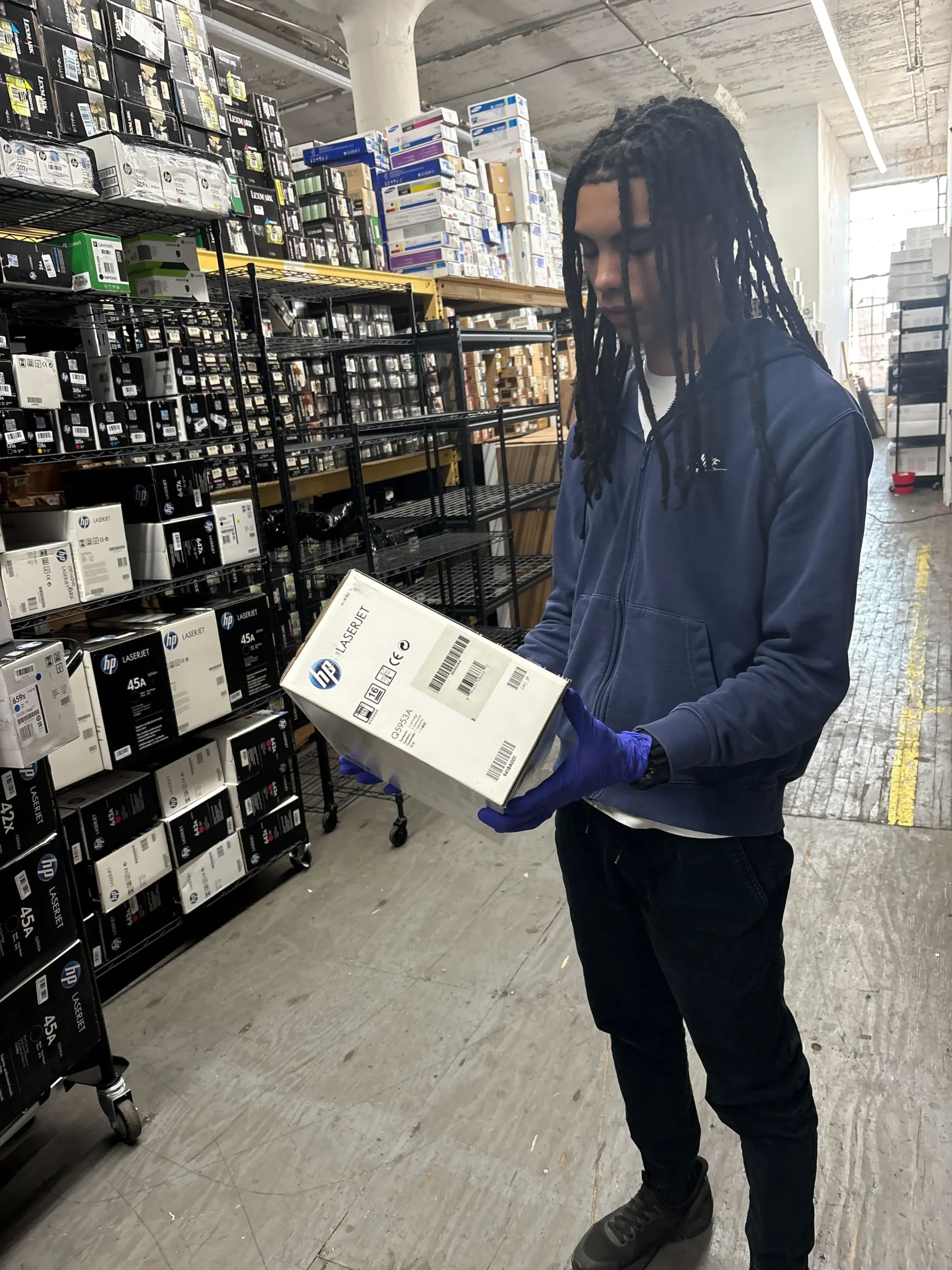
A simple rule many businesses follow is:
Ask These Questions
- Is the cartridge unopened?
- Is it OEM?
- Is it in good condition?
- Is there current market demand?
If the Answer Is Yes
Consider reselling before recycling.
Because of this, a quick evaluation can potentially recover hundreds or even thousands of dollars from unused inventory.
Environmental Benefits of Both Options
Whether you recycle or resell, both choices are generally better than landfill disposal.
Reselling Helps By:
- Extending product life
- Preventing unnecessary manufacturing
- Supporting reuse
Recycling Helps By:
- Recovering raw materials
- Reducing waste
- Conserving resources
As a result, both options contribute to environmental sustainability.
How Businesses Can Manage Surplus Toner More Effectively?
Regular inventory reviews help prevent toner from becoming forgotten inventory.
Best Practices Include:
- Conducting inventory audits
- Tracking toner purchases
- Rotating stock regularly
- Reviewing printer fleet changes
Early Action Preserves Value
The sooner unused toner is identified, the more likely it is to qualify for resale.
Because of this, proactive inventory management helps maximize both financial and environmental benefits.
Recycling vs Reselling: Which Option Is Right for You?
The best choice depends on the condition and value of your toner cartridges. If you have unopened OEM toner in good condition, reselling may allow you to recover money while keeping valuable products in circulation. If the cartridges are damaged, empty, or no longer suitable for reuse, recycling remains a responsible and environmentally friendly solution.
By evaluating your toner inventory before disposal, you can make smarter decisions that benefit both your organization and the environment.
Conclusion
When deciding between recycling and reselling toner cartridges, the key is understanding the condition and value of your inventory. Unopened OEM cartridges may offer significant resale opportunities, while damaged or unusable cartridges are often better suited for recycling. Taking a few minutes to evaluate your toner before disposal can help reduce waste, recover value, and support more sustainable business practices.