
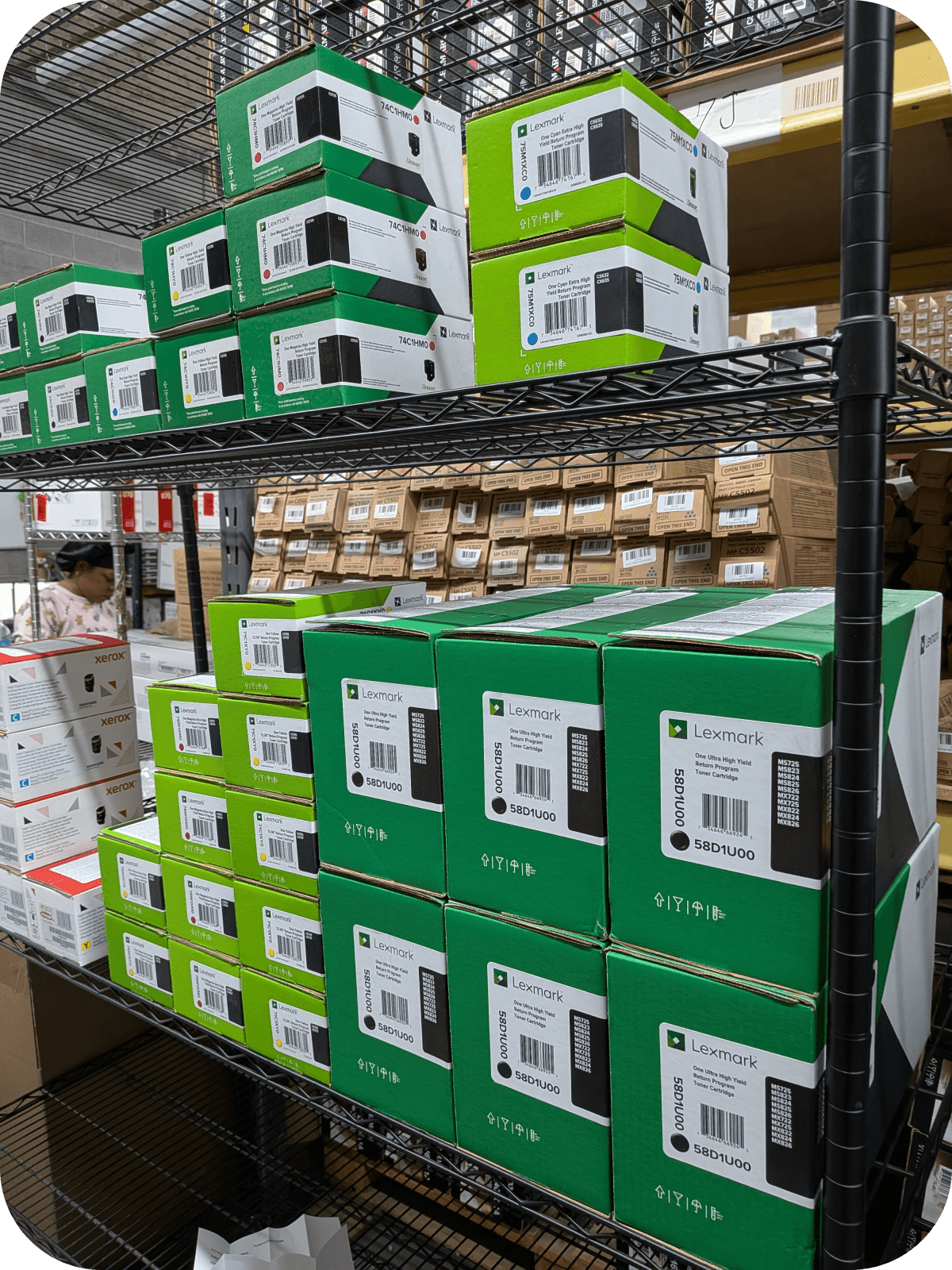
ITAD and toner recovery both help businesses reduce waste, recover value, and manage unused assets more responsibly. While ITAD focuses on retired technology, toner recovery focuses on unused OEM cartridges. Together, they support smarter asset management, sustainability goals, and better returns from items that might otherwise sit in storage.
What Is the Connection Between ITAD and Toners?
ITAD and toner recovery both deal with valuable business assets that should not be wasted.
IT Asset Disposition, often called ITAD, is the process of securely retiring, reselling, recycling, or disposing of outdated technology equipment. This can include computers, servers, printers, networking equipment, and storage devices.
Toner recovery is the process of selling or reusing unused OEM toner cartridges that are no longer needed. This often happens after a printer upgrade, office relocation, or managed print services change.
At first, ITAD and toner may seem unrelated. But in real business settings, they often show up together. When a company replaces printers or upgrades office equipment, it may also discover shelves full of unopened toner that no longer fits the new machines.
That is where a company like Toner Connect can help businesses recover value from unused OEM toner instead of letting it expire, collect dust, or go to waste.
Why Toner Should Be Part of an ITAD Strategy?
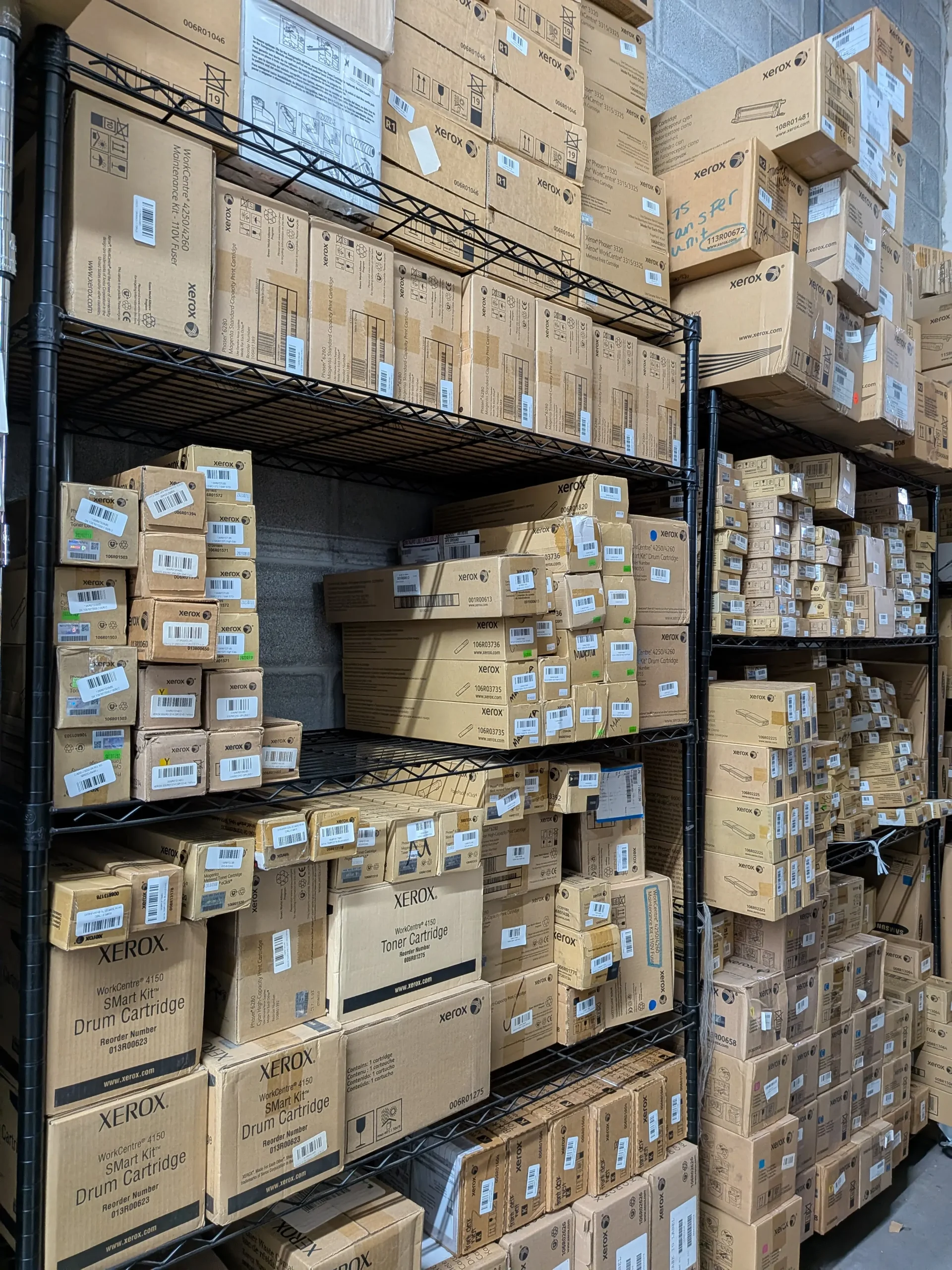
Unused toner is a recoverable asset, just like retired IT equipment.
During an IT refresh, businesses usually focus on hardware. They think about laptops, desktops, printers, servers, and data security. But toner is often left out of the conversation.
That can be a costly mistake.
Unused OEM toner may still have resale value, especially if it is factory-sealed and in good condition. Instead of treating it as office clutter, businesses can include it in their asset recovery process.
Common toner recovery opportunities include:
- Printer fleet upgrades
- Office moves
- Department closures
- School district technology
- updates
- Government office modernization
- Managed Print Services changes
- Corporate mergers or downsizing
According to the Global E-waste Monitor 2024, the world generated 62 million metric tons of e-waste in 2022, and only about 22.3% was formally collected and recycled. While toner is not always classified the same way as electronic waste, the larger point is clear: businesses need smarter ways to manage unused office and technology assets.
How ITAD and Toner Recovery Share the Same Goals?
Both processes help businesses recover value, reduce waste, and improve asset management.
ITAD and toner recovery work well together because they support many of the same business goals.
Recovering Financial Value
Both ITAD and toner recovery can turn unused assets into money.
Businesses spend a lot on technology and print supplies. When those items are no longer needed, they may still have value.
ITAD programs help recover value from retired computers, servers, and other equipment. Toner recovery does something similar with unused OEM toner cartridges.
Selling unused toner through Toner Connect can help businesses free up space and recover money from supplies they no longer need.
Reducing Waste
Reuse is often better than throwing usable products away.
One of the biggest connections between ITAD and toner recovery is waste reduction. Retired IT equipment can often be refurbished, resold, or recycled. Unused toner can often be resold and used by another business with compatible printers.
This keeps usable products in circulation longer and supports the circular economy.
The U.S. Environmental Protection Agency encourages electronics reuse and responsible recycling as part of sustainable materials management.
Improving Storage and Inventory Control
Both processes help remove clutter and improve organization.
Old IT equipment and unused toner often end up in storage rooms, supply closets, and warehouse shelves. Over time, this creates confusion.
Businesses may not know what they have, what still works, or what can be sold.
A cleaner asset recovery process helps teams:
- Free up storage space
- Improve inventory accuracy
- Reduce unnecessary purchases
- Simplify audits
- Avoid forgotten supplies
When toner is included in the ITAD conversation, fewer assets fall through the cracks.
Supporting Sustainability Goals
ITAD and toner recovery both support environmental responsibility.
Many companies now track sustainability, ESG goals, and waste reduction efforts. Responsible ITAD and toner recovery can support those initiatives.
Instead of sending usable items to landfills, businesses can extend their life through reuse, resale, or recycling.
This is especially helpful for organizations that want to show measurable progress in reducing office waste and improving resource efficiency.
What Types of Toner Can Be Recovered?
Factory-sealed OEM toner usually has the best resale potential.
Not every toner cartridge has the same value. In most cases, buyers are most interested in genuine OEM toner that is unopened and in good condition.
Common accepted toner brands may include:
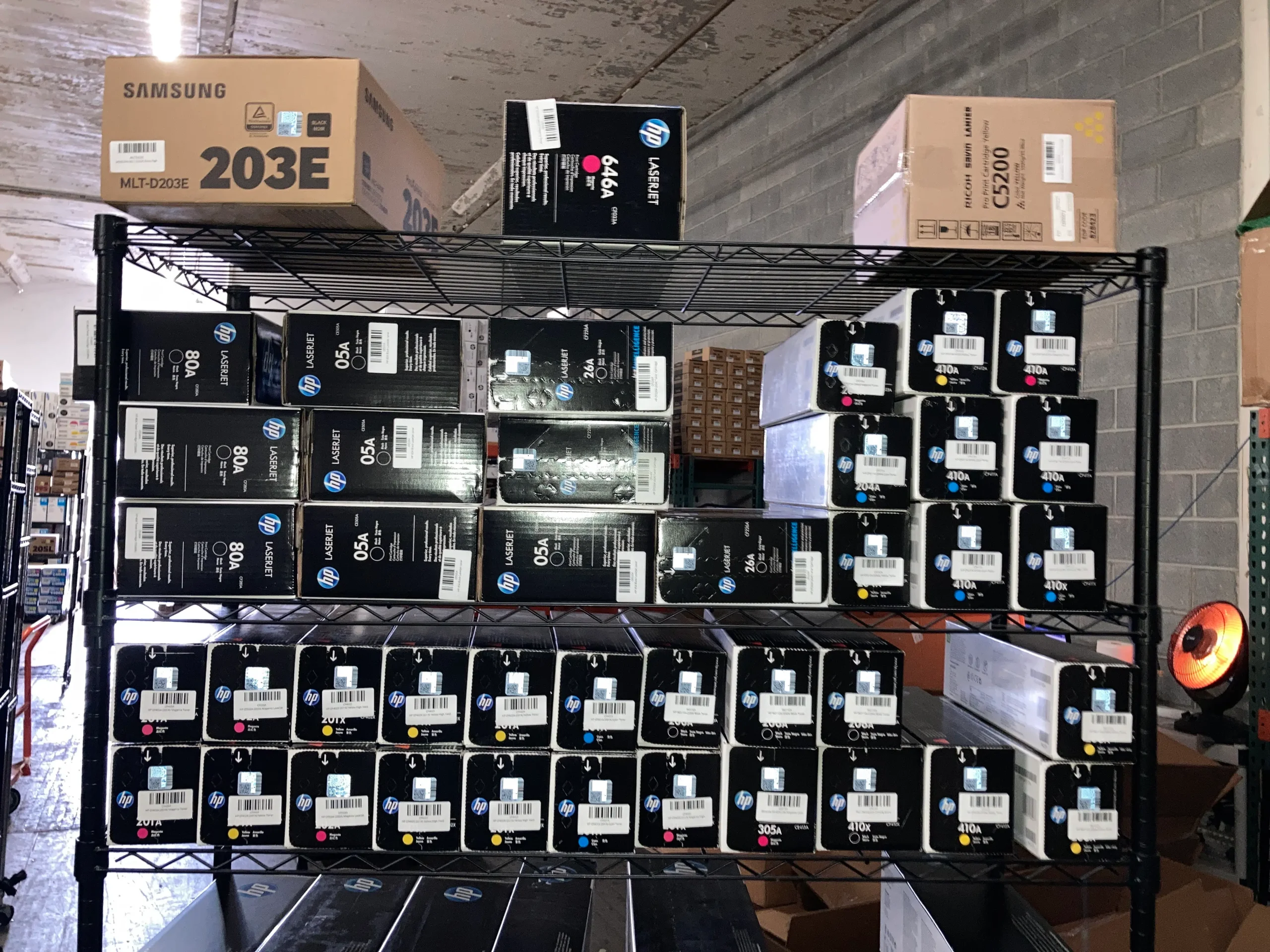
- HP
- Canon
- Brother
- Xerox
- Lexmark
- Ricoh
- Toshiba
- Konica Minolta
OEM toner is generally more desirable than remanufactured or compatible cartridges because it is made by the original printer manufacturer.
Toner Connect specializes in buying unused OEM toner and helping businesses turn surplus cartridges into cash.
When Do Businesses Usually Find Surplus Toner?
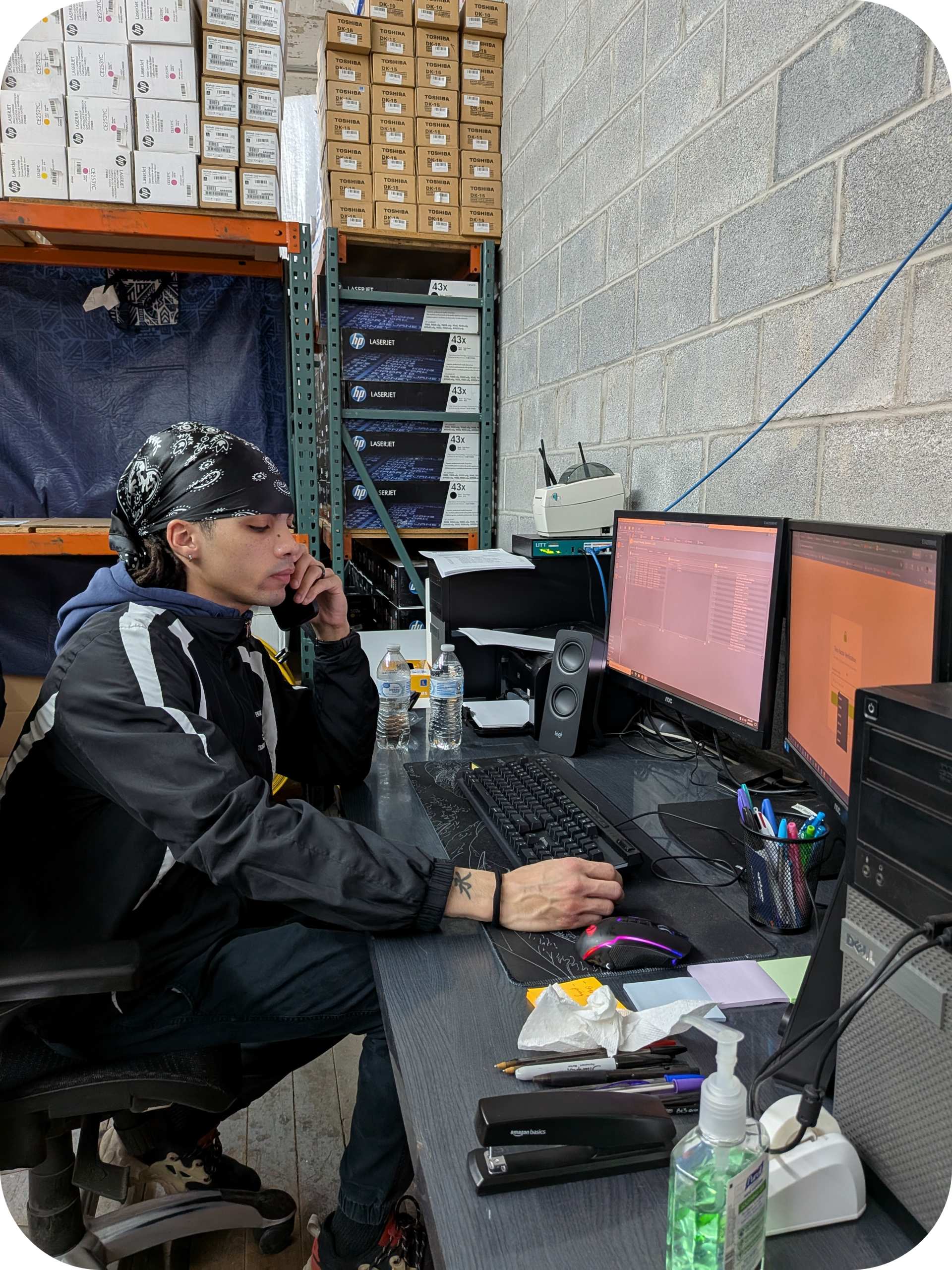
Surplus toner usually appears during printer changes, office moves, and equipment upgrades.
Unused toner often shows up at the exact same time as ITAD projects.
For example, a business may replace 50 printers with a new fleet. The old printers are sent through an ITAD process, but the supply room still has boxes of toner for the retired models.
That toner may no longer be useful to the business, but it may still be useful to someone else.
Common situations include:
- Replacing old printers
- Switching printer brands
- Ending a Managed Print Services contract
- Consolidating offices
- Closing locations
- Upgrading school or government technology
- Cleaning out warehouses or storage rooms
The key is to identify toner early before it is damaged, misplaced, or forgotten.
Best Practices for Including Toner in ITAD Planning
Businesses should inventory toner before, during, and after technology refresh projects.
Adding toner recovery to an ITAD project does not need to be complicated. A simple checklist can make the process easier.
Best practices include:
- Check all storage rooms and supply closets.
- Separate unused OEM toner from opened or damaged cartridges.
- Record toner part numbers and quantities.
- Keep boxes sealed whenever possible.
- Store cartridges in a clean, dry area.
- Request a quote before recycling or discarding toner.
- Coordinate toner recovery with printer replacement timelines.
This keeps the process organized and helps businesses avoid losing value.
Why Toner Connect Fits Into the Asset Recovery Conversation?
Toner Connect helps businesses recover value from unused toner that may otherwise be overlooked.
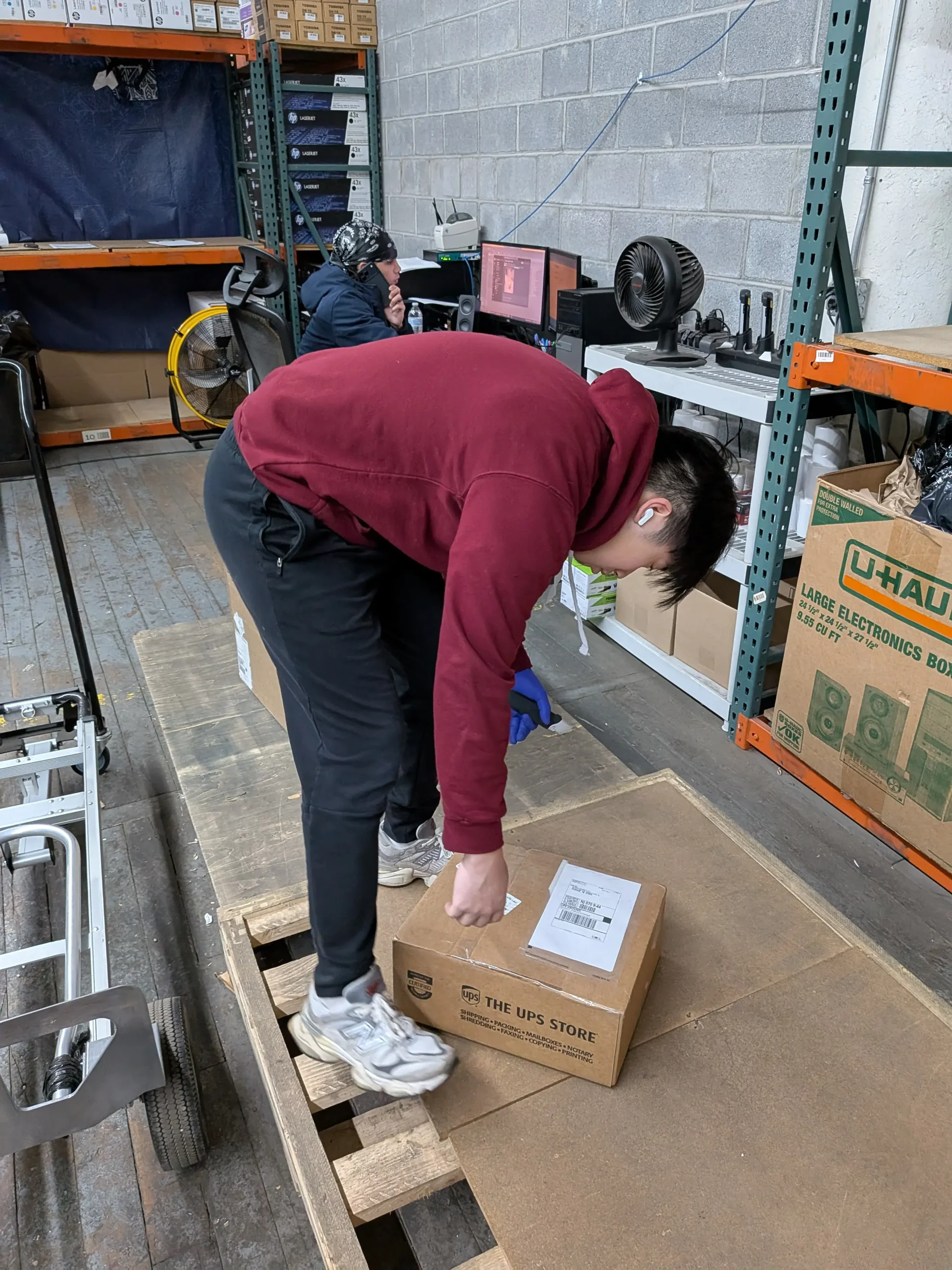
Toner Connect gives organizations a practical way to sell unused OEM toner. This makes it a natural partner for businesses already thinking about ITAD, printer upgrades, or office asset recovery.
The process is straightforward:
- Gather your unused OEM toner.
- Submit the inventory.
- Receive a quote.
- Ship the toner.
- Get paid after review and approval.
For companies dealing with large print environments, this can be a helpful way to clear space and recover value from supplies that are no longer needed.
Helpful Stats for ITAD and Toner Recovery
Recent waste and recycling data shows why asset recovery matters.
Here are a few useful statistics:
- In 2022, the world generated 62 million metric tons of e-waste.
- In 2022, only about 22.3% of global e-waste was formally collected and recycled.
- The Global E-waste Monitor 2024 reported that e-waste is growing faster than documented recycling efforts.
- The EPA recommends reuse and responsible recycling to reduce environmental impact from electronics and related equipment.
These numbers show why businesses should look beyond basic disposal. When IT equipment and unused toner are handled thoughtfully, companies can reduce waste while recovering value.
FAQ About ITAD and Toner Recovery
Businesses often have simple questions about whether toner belongs in asset recovery planning.
Can toner be included in an ITAD project?
Yes, toner can be included in the planning even though it is not traditional IT hardware.
Unused toner is often discovered during printer replacements and technology upgrades. It makes sense to handle it alongside other asset recovery tasks.
Is unused toner worth anything?
Yes, unused OEM toner may have resale value.
The value depends on the brand, model, demand, box condition, and whether the cartridge is factory-sealed.
Is it better to recycle or resell toner?
If the toner is unused and sellable, resale is often the better first option.
Resale keeps usable products in circulation. Recycling is still useful for damaged, opened, or unsellable cartridges.
What should businesses do before replacing printers?
Inventory all toner before the old printers are removed.
This helps the business understand what supplies may become obsolete after the printer change.
Conclusion
Both ITAD and toner recovery help businesses manage assets smarter.
ITAD and toner recovery may seem like separate topics, but they often overlap during printer upgrades, office moves, and technology refresh projects. Both focus on recovering value, reducing waste, and making better use of business resources.
When companies include unused OEM toner in their asset recovery plans, they can clear storage space, support sustainability goals, and recover money from supplies they no longer need.
For businesses with surplus toner, Toner Connect offers a simple way to turn unused cartridges into value instead of waste.