
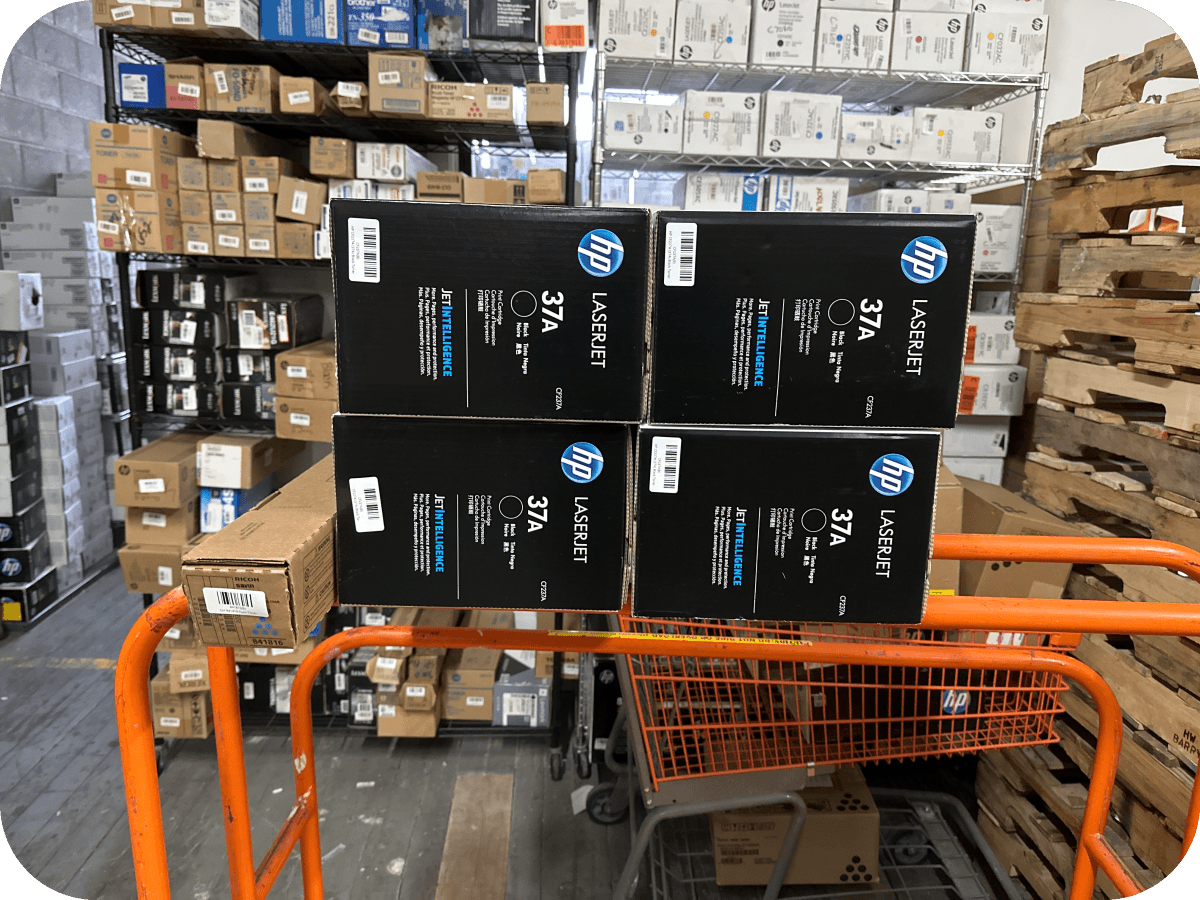
Why Did My Toner Cartridge Get Graded A vs. B — Does Box Condition Really Matter?
Yes, box condition can directly affect a toner cartridge’s resale grade and payout. At TonerConnect, an A-grade box is essentially pristine, while B condition allows minor cosmetic wear. The cartridge may be identical inside, but cleaner packaging is easier to verify and resell as high-quality unopened inventory.
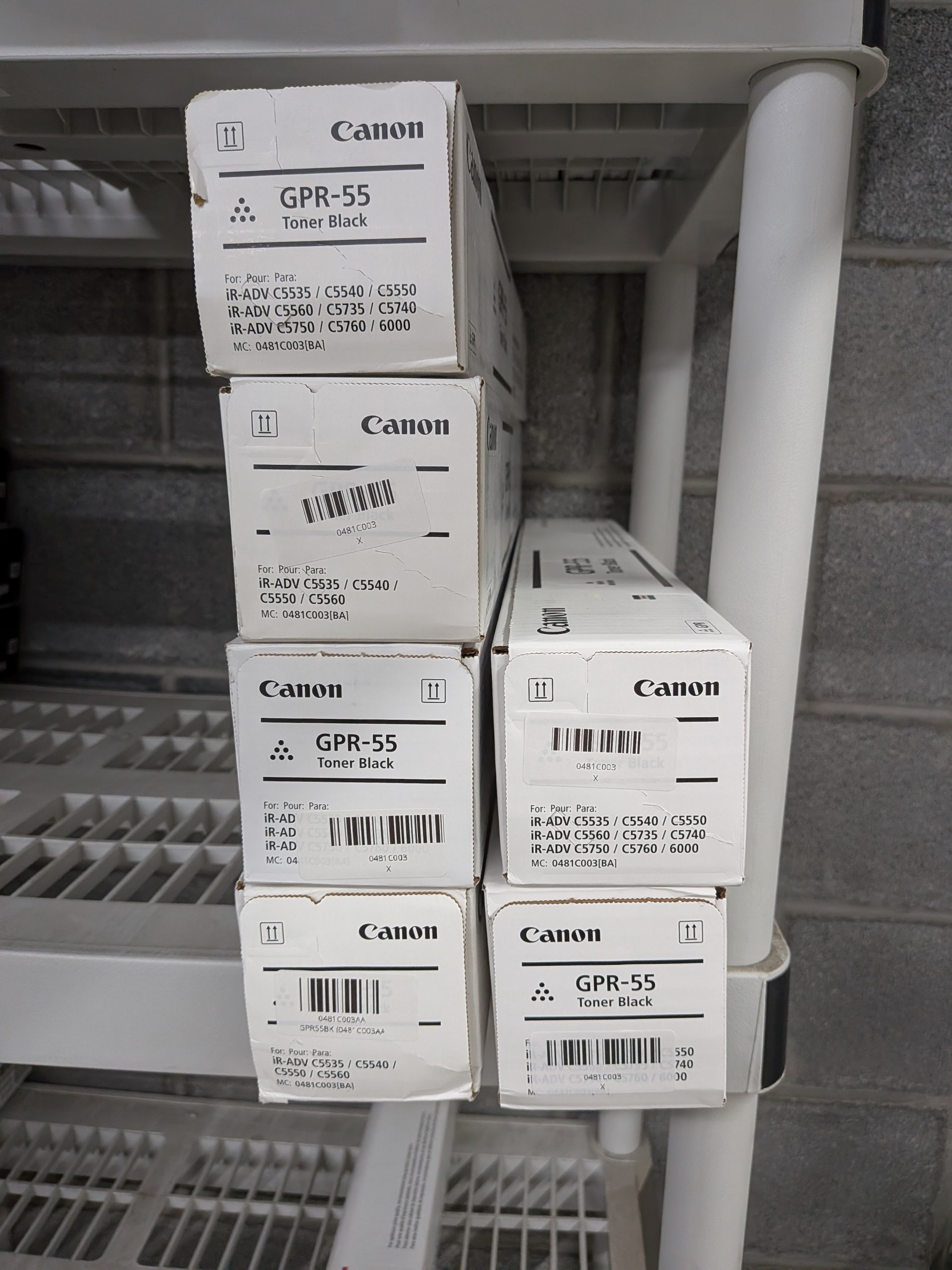
Why Does Box Condition Matter When Selling Toner?
Box condition matters because buyers evaluate both the unused cartridge and the condition of its original packaging.
Toner Connect currently accepts damaged boxes at graded payouts rather than treating every sealed cartridge as having identical value.
HP also recommends protecting toner products against mechanical damage, dust, dampness, and humidity during storage and transportation.
For a seller, that means a perfectly usable cartridge can still receive a lower offer because its retail packaging is damaged.
What Does an A-Grade Toner Box Mean?
An A-grade toner box is generally a factory-sealed cartridge whose packaging looks clean, intact, and close to new.
Toner Connect describes its highest condition category as packaging without dents, tears, stickers, writing, or similar cosmetic damage.
An A-condition cartridge generally has:
- An intact factory seal
- Clean packaging
- Sharp corners
- No significant dents
- No tears or holes
- No writing
- No damaging labels
- Readable manufacturer information
- Required authenticity markings
The cartridge also needs to meet the buyer’s other eligibility requirements.
A perfect-looking box does not turn a used or generic cartridge into Grade A inventory.
What Does a B-Grade Toner Box Mean?
A B-grade box remains sellable but has minor cosmetic wear that prevents it from qualifying as pristine inventory.
Toner Connect’s current FAQ defines B condition as minor wear such as small tears, dents, writing, labels, dust, or light shelf wear.
Toner Connect says B-condition cartridges are accepted at a slightly reduced rate compared with A-condition items.
Typical B-grade issues can include:
- A small corner dent.
- Light shelf wear.
- Minor writing.
- A shipping label.
- Dust or superficial marks.
- A small tear.
The important distinction is that the damage remains relatively minor.
What Is the Difference Between A, B, and C Box Condition?
The grades separate pristine packaging from minor cosmetic damage and more significant packaging damage.

Toner Connect’s current FAQ identifies B as Good and C as Fair. Its quote form currently offers Perfect, Good, Fair, and Poor condition selections.
A practical comparison is:
| Condition | Typical appearance | Potential effect |
|---|---|---|
| A / Perfect | Clean, intact, close to new | Highest condition category |
| B / Good | Minor dents, labels, writing or shelf wear | Slightly reduced payout |
| C / Fair | Large tears, holes, heavy dents or excessive tape | Further reduced payout |
| Poor/Ineligible | Severe problems or disqualifying damage | May receive no payout |
These grades are TonerConnect-specific.
Another toner buyer may use different letters, terminology, or acceptance standards.
Can the Same Toner Cartridge Be Worth Less Just Because of Its Box?
Yes, two identical cartridges can receive different offers when their packaging condition differs.
Toner Connect says packaging condition is one factor affecting the value of unused toner.
Its February 2026 damaged-box guide says minor cosmetic damage can reduce value without necessarily eliminating resale potential.
Imagine two identical HP cartridges.
One looks untouched.
The other has a crushed corner and writing across the box.
The product number may be identical, but the second unit presents more uncertainty and is less attractive as resale inventory.
Does a Small Dent Automatically Make a Toner Cartridge B Grade?
A small dent can contribute to a B grade, but the final condition depends on the buyer’s grading criteria and the complete state of the package.
Toner Connect explicitly includes minor dents among examples of B-condition cosmetic wear.
A tiny mark and a deeply crushed corner are not equivalent.
Take clear photographs of every side when requesting a quote.
That gives the buyer more information before the cartridge ships.
Do Shipping Labels Affect Box Condition?
Labels can count as cosmetic wear, but you should not remove them yourself when removal could damage the original toner box.
Toner Connect includes labels among its examples of B-condition wear.
However, its current FAQ specifically tells sellers not to remove labels or tape before shipping. Toner Connect says its warehouse staff will remove them to reduce the risk of damaging the box.
That creates an important rule:
Do not turn a removable label into a torn box by trying to improve its appearance yourself.
Does Writing on the Toner Box Lower Its Grade?
Writing can affect the grade because it changes the cosmetic condition of the original packaging.
Toner Connect includes writing among the characteristics permitted within its current B-condition definition.
Heavy writing can have a greater effect than a small inventory mark.
Avoid adding:
- Dates
- Employee names
- Department numbers
- Printer locations
- Inventory notes
- Marker lines
Use removable inventory systems where practical.
Why Is a Holographic Security Label More Important Than a Cosmetic Dent?
A security label can help establish authenticity, while a dent is usually a packaging-condition issue.
Toner Connect says it cannot pay for applicable OEM cartridges when the required holographic authenticity sticker is missing, torn, scratched, covered, or otherwise unusable for authentication.
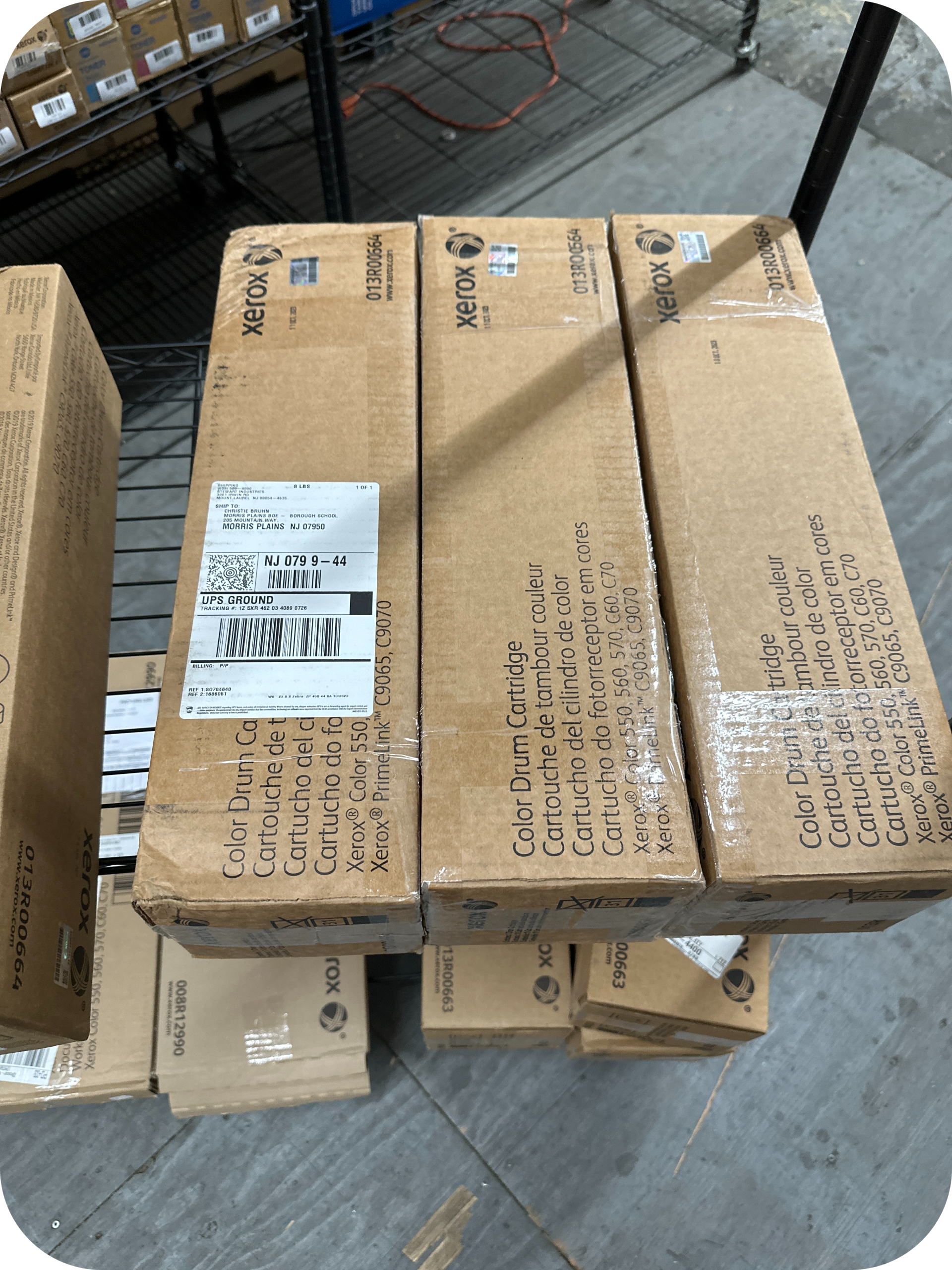
HP likewise uses holographic security labels and QR-based verification on applicable genuine supplies.
Do not:
- Peel off the hologram.
- Write across it.
- Cover it with packing tape.
- Scratch it.
- Place a shipping label over it.
A cosmetically imperfect box can remain sellable.
An authenticity problem can be more serious.
Is a Damaged Box the Same as an Open Box?
No, cosmetic box damage and a broken factory seal are different conditions.
Toner Connect currently accepts some damaged boxes at reduced payouts. It does not pay for open-box cartridges when the relevant inner factory seal has been broken.
Its February 2026 guide similarly distinguishes cosmetic packaging damage from compromised internal packaging.
This distinction matters:
Dented but sealed: potentially sellable.
Torn corner but sealed: potentially sellable.
Factory seal broken: may be ineligible with a buyer requiring sealed inventory.
Never open a toner box simply to prove the cartridge is inside.
Does Water Damage Matter More Than Normal Shelf Wear?
Yes, liquid damage is much more serious than ordinary cosmetic shelf wear.
Toner Connect’s current FAQ lists cartridges with liquid-damaged boxes among the products it does not buy.
HP recommends protecting stored toner against dampness, humidity, and other environmental hazards.
Watch for:
- Water stains
- Soft cardboard
- Warped packaging
- Mold
- Musty odor
- Discoloration from moisture
Do not assume a dry-looking cartridge is eligible simply because the box has dried out.
Can Poor Storage Turn an A-Grade Box Into a B or C?
Yes, poor storage can gradually damage packaging even when the toner is never opened.
HP recommends protecting stored toner from mechanical damage, dust, dampness, and humidity.
HP’s current handling guidance also says to avoid damaging boxes and pallets while moving toner products.
Common storage mistakes include:
- Stacking excessive weight on toner.
- Leaving boxes on damp floors.
- Storing supplies beside leaking pipes.
- Dragging boxes across shelves.
- Using toner cartons as shipping boxes.
- Writing directly on retail packaging.
Good storage protects both the cartridge and its resale presentation.
Does the Original Toner Box Actually Protect the Cartridge?
Yes, original packaging helps protect toner from environmental exposure and physical damage.
HP recommends keeping LaserJet toner in its original box and packaging until needed. HP says the packaging protects the cartridge from light, excessive humidity, and dust.
Brother similarly tells users not to unpack certain toner cartridges until immediately before installation.
This is one reason original packaging carries practical value beyond appearance.
What Storage Statistics Matter for Toner Box Condition in 2026?
Current manufacturer guidance provides measurable storage limits that show why warehouse conditions matter.
HP currently specifies 0°C to 35°C (32°F to 95°F) for normal packaged storage during nine-tenths of the storage period in its general LaserJet handling guidance.
The same guidance lists 35% to 85% relative humidity for normal packaged storage and requires no condensation.
HP also lists a 2.5-year storage-plus-use period for the cartridges covered by that general guidance.
Exact specifications can vary by toner model.
Check the manufacturer’s specifications for your cartridge when available.
Does an Old Date on an HP Toner Box Automatically Reduce Eligibility?
An old printed date does not automatically mean an HP toner cartridge has expired.
HP states that the manufacture date printed on its toner packaging is not an expiration or “use before” date. HP also states that its toner cartridges do not have a use expiration date.
Market demand can still change as printers age.
Therefore, cartridge age and resale demand are separate from HP’s expiration policy.
Why Do Office Cleanouts Produce So Many B-Condition Boxes?
Long-term office storage can expose toner boxes to labels, dust, stacking pressure, handling, and repeated inventory moves.
Toner Connect’s current B-grade definition specifically includes labels, dust, small dents, writing, and shelf wear.
This is particularly relevant to:
- Office managers clearing supply rooms
- IT teams after printer upgrades
- Schools consolidating equipment
- Businesses moving locations
- Liquidators clearing closed offices
The cartridge may never have been opened.
Its packaging can still show years of handling.
How Should Schools and Large Offices Track Box Condition?
Large organizations should record box condition alongside model numbers and quantities before requesting a toner quote.
Toner Connect’s September 2026 surplus-toner guide recommends recording the brand, model, quantity, OEM status, factory seal, and packaging condition.
A useful spreadsheet looks like this:
| Brand | Model | Quantity | Sealed? | Box condition |
|---|---|---|---|---|
| HP | Exact SKU | 12 | Yes | A / Perfect |
| Brother | Exact SKU | 7 | Yes | B / Good |
| Canon | Exact SKU | 4 | Yes | C / Fair |
Photograph questionable boxes before shipping.
This creates a condition record for both parties.
How Should a Small Business Check Toner Box Condition?
A small business can perform a quick six-point inspection without opening the cartridge.
Toner Connect recommends checking packaging for broken seals, water damage, crushed corners, tears, missing labels, and similar visible problems.
Check:
- Seal: Is it intact?
- Authenticity: Are required labels present?
- Corners: Are they crushed?
- Surface: Is there writing or heavy label residue?
- Moisture: Is there staining or mold?
- Structure: Are there tears or holes?
Then photograph the box.
Do not open it to inspect the cartridge.
Can You Improve a B-Grade Box Before Selling It?
You should clean only what can be cleaned safely and avoid repairs that alter or damage the original packaging.
Toner Connect tells sellers to leave labels and tape in place because its warehouse can remove them more safely.
Avoid trying to “restore” a toner box with:
- New packing tape
- Glue
- Marker
- Replacement labels
- Paint or cleaning chemicals
- Reconstructed seals
Disclose the condition instead.
An authentic B-condition box is preferable to packaging that appears tampered with.
Can Shipping Turn an A-Grade Toner Box Into a B-Grade Box?
Yes, inadequate shipping protection can damage otherwise pristine retail boxes in transit.
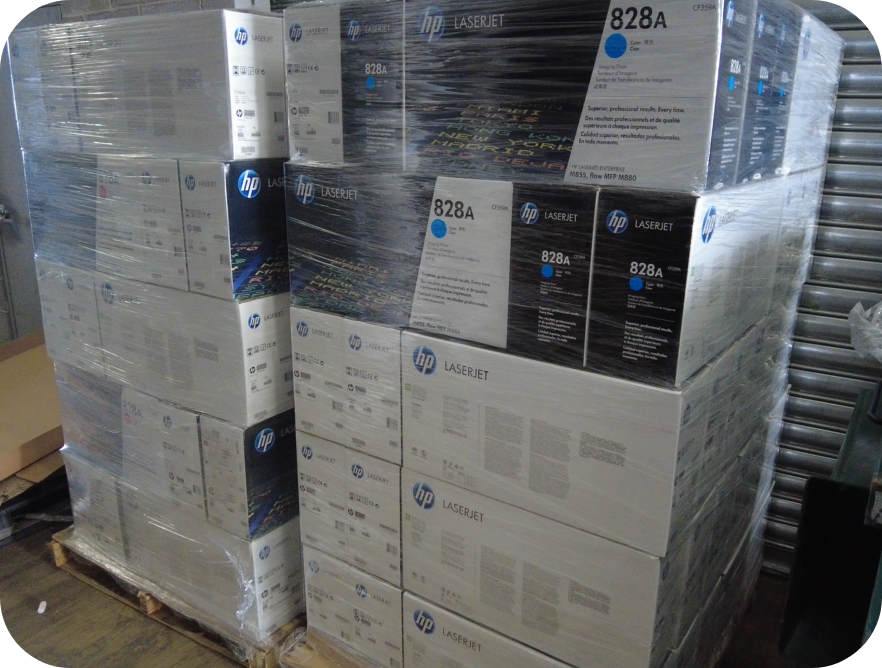
HP says LaserJet cartridges must be shipped correctly to reduce the risk of damage. Its guidance specifically advises avoiding damage to product boxes during handling.
Toner Connect currently recommends double-boxing toner and using sufficient interior padding.
Never attach a carrier label directly to a valuable retail toner box when the buyer expects protected packaging.
Use an outer shipping carton.
How Should You Pack A-Grade Toner to Preserve Its Condition?
Protect each retail toner box from movement, crushing, moisture, and direct shipping-label contact.
Toner Connect recommends padding the toner, placing it inside another box, and double-boxing shipments where appropriate.
A simple packing sequence is:
Retail toner box → cushioning → inner carton → additional padding → outer shipping carton
Fill empty space so cartridges cannot slam into one another.
Do not overpack so tightly that pressure crushes the retail boxes.
What Happens When TonerConnect Inspects Box Condition?
TonerConnect checks each cartridge against the quote and documents its condition during inspection.
Its current FAQ says inspectors verify factory seals and holographic authenticity while recording condition with photo or video evidence.
Toner Connect currently says inspection generally finishes within one business day after the shipment arrives.
If the received condition differs from the quoted condition, the offer can be adjusted.
That is why accurate grading before shipping matters.
Does TonerConnect Accept Damaged Toner Boxes in 2026?
Yes, TonerConnect currently accepts certain damaged boxes at graded payouts, but its exclusions still apply.
Its current What We Buy page explicitly states that damaged boxes can receive a graded payout.
Toner Connect currently excludes leaking cartridges, broken seals, and qualifying open-box products from payout.
Its FAQ also excludes liquid-damaged toner boxes.
Acceptance is therefore based on the specific condition, not simply whether a box looks imperfect.
How Much Value Can Box Damage Cost You?
There is no universal dollar deduction because the effect depends on the buyer, cartridge model, demand, and severity of damage.
Toner Connect says B-condition products receive a slightly reduced rate compared with A-condition products.
Its current policies place significantly damaged products into lower condition categories.
A high-demand cartridge with one small dent may still receive a useful offer.
A low-demand cartridge with major packaging damage may be less attractive.
Request a model-specific quote rather than calculating a fixed percentage yourself.
What Box Condition Mistakes Can Reduce Your Toner Payout?
Sellers can unintentionally lower box condition by removing labels, adding tape, breaking seals, or packing toner poorly.
Toner Connect specifically advises sellers to leave existing labels and tape for its warehouse staff to handle.
Avoid these mistakes:
- Opening the box to inspect the cartridge.
- Peeling security holograms.
- Writing on retail packaging.
- Covering authentication labels.
- Shipping without an outer carton.
- Storing boxes in damp locations.
- Crushing toner beneath heavy supplies.
- Trying to repair tears with excessive tape.
Preserving condition is easier than restoring it.
What Questions Do Sellers Ask About Toner Box Condition?
Sellers most often ask whether dents, labels, tears, and damaged seals affect eligibility or payout.
The answers depend on the degree of damage and the buyer’s current grading policy.
Can a Dented Toner Box Still Be Sold?
Yes, a dented box can still qualify for resale when the damage is acceptable and the required factory seal remains intact.
Toner Connect includes minor dents in its B-condition definition.
Severe dents can result in a lower grade.
Will a Shipping Label Automatically Make My Toner Grade B?
A label can count as cosmetic wear, but the complete condition determines the final grade.
Toner Connect includes labels among examples of B-condition packaging.
Its FAQ tells sellers not to remove labels themselves.
Is a Torn Box Still Worth Anything?
A torn box may retain resale value when the damage is limited and the factory seal remains acceptable.
Toner Connect’s B condition can include small tears, while C condition includes large tears and holes.
A broken factory seal is a separate and more serious issue.
Does Box Condition Matter If the Toner Inside Is Perfect?
Yes, because resale grading evaluates the complete packaged product rather than only the toner powder inside.
HP’s storage guidance confirms that original packaging serves a protective function against light, humidity, and dust.
Toner Connect separately grades packaging condition when determining payouts.
So Does Box Condition Really Matter to Your Toner Payout?
Yes, box condition matters because it affects how unused toner is verified, graded, protected, and ultimately resold.
Toner Connect currently treats minor cosmetic wear as B condition and more substantial damage as C condition. It also accepts qualifying damaged boxes at reduced graded payouts.
The practical lesson is simple. Keep factory seals intact, protect authentication labels, store cartridges somewhere clean and dry, and use an outer carton when shipping.
If you have imperfect factory-sealed OEM toner, do not automatically throw it away. Toner Connect’s damaged-box guide explains how packaging damage can affect resale, while its current buyback FAQ provides the latest condition rules.