
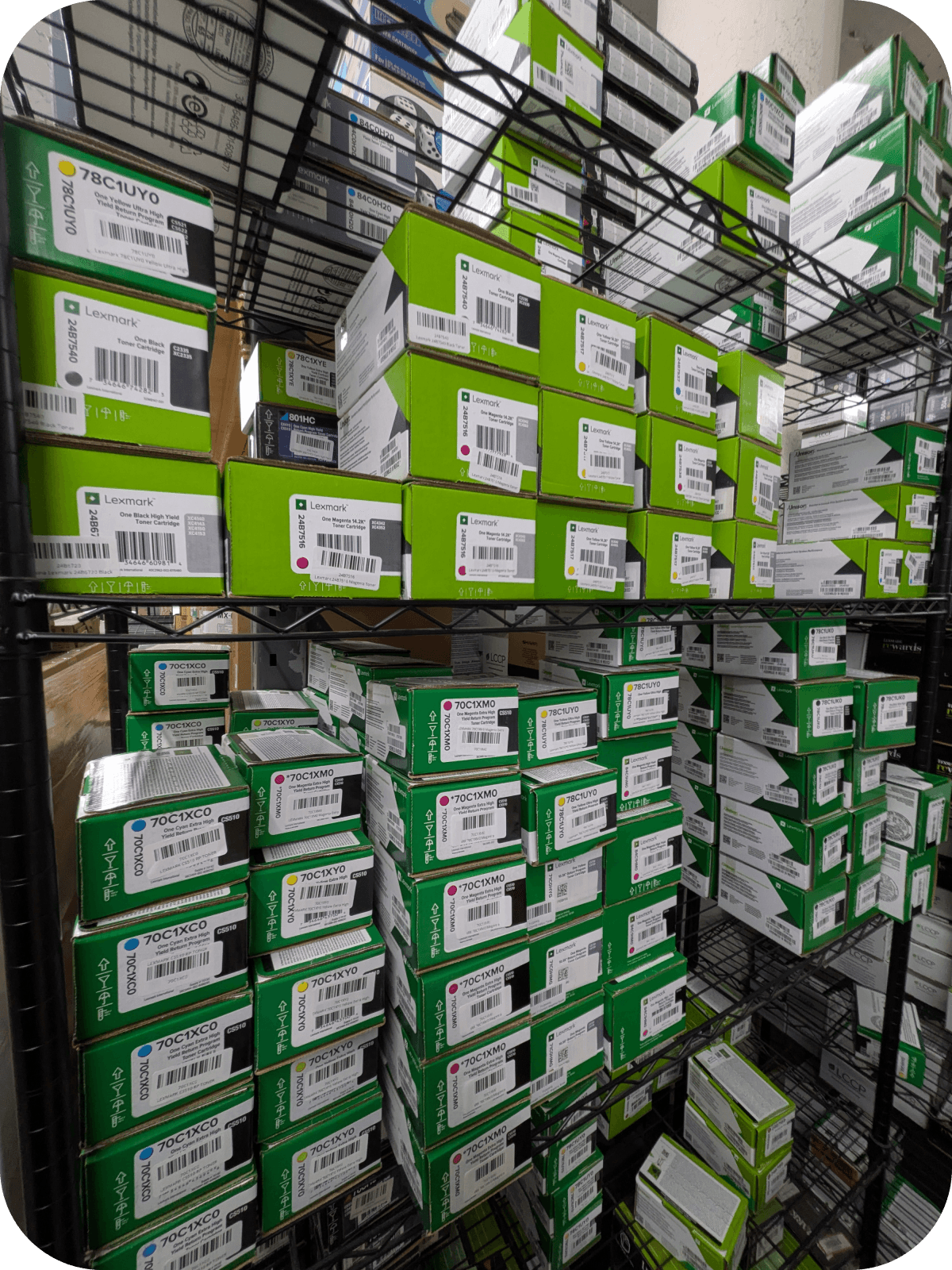
Top Factors to Consider Before Buying Toner Cartridges
Buying toner cartridges may seem straightforward, but choosing the wrong cartridge can lead to wasted money, poor print quality, compatibility issues, and unnecessary printer downtime. Whether you’re purchasing toner for a home office, a small business, or a large organization, understanding the key factors before buying can help you maximize value and keep your printing operations running smoothly.
With so many toner options available, from OEM cartridges to high-yield models and various brands, it’s important to know what truly matters before making a purchase.
Printer Compatibility Should Be Your First Priority
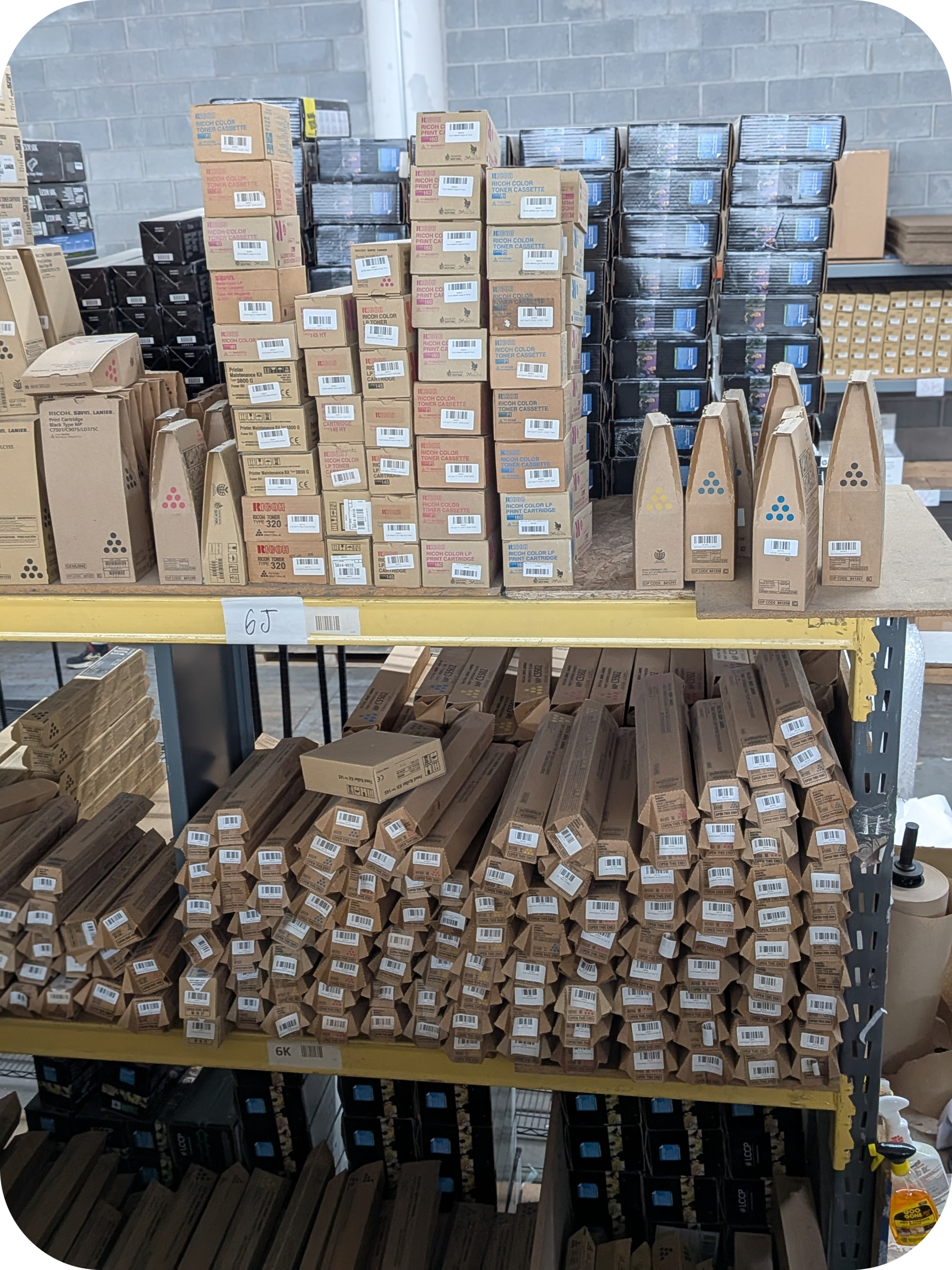
One of the most important factors to consider before buying toner cartridges is compatibility.
Verify Your Printer Model
Always check:
- Printer manufacturer
- Printer model number
- Cartridge model number
Avoid Costly Mistakes
Purchasing the wrong cartridge can result in:
- Installation failures
- Printer errors
- Return hassles
- Workflow interruptions
Because of this, confirming compatibility should always be your first step.
Choose Between OEM and Alternative Cartridges
Not all toner cartridges are manufactured the same way.
OEM Toner Cartridges
OEM (Original Equipment Manufacturer) cartridges are produced by printer manufacturers such as:
- HP
- Brother
- Canon
- Xerox
- Lexmark
Benefits of OEM Toner
OEM cartridges typically offer:
- Reliable compatibility
- Consistent print quality
- Accurate page yields
- Manufacturer support
As a result, many businesses prefer OEM toner for critical printing tasks.
Understand Page Yield Before You Buy
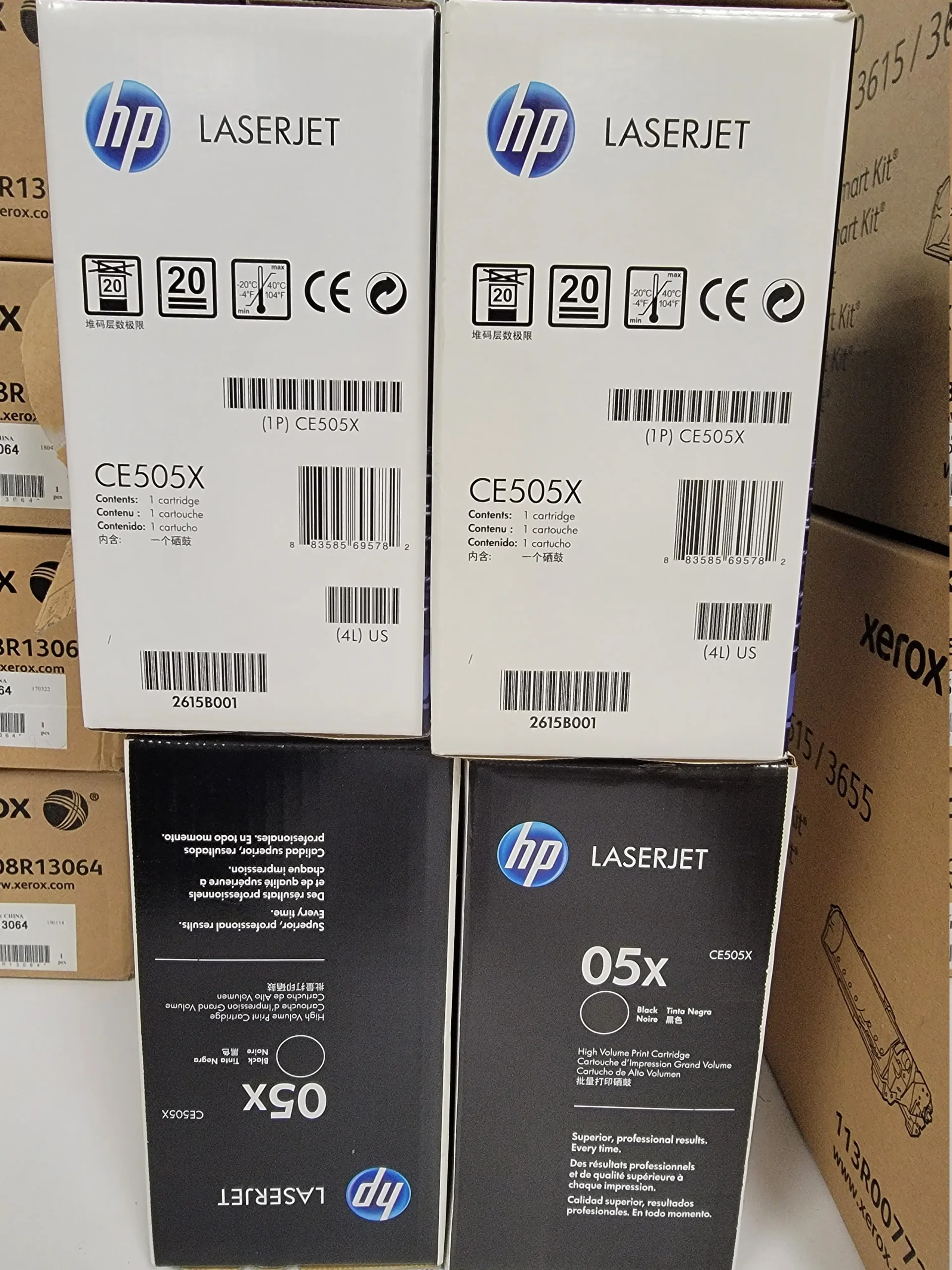
Page yield determines how many pages a cartridge is expected to print.
Standard-Yield Cartridges
Best for:
- Light printing
- Small offices
- Home users
High-Yield Cartridges
Best for:
- Frequent printing
- Large offices
- High-volume workflows
Because of this, comparing page yield often provides a better value assessment than simply comparing purchase prices.
Print Quality Matters
The quality of your printed documents directly reflects your business.
Poor Toner Can Cause
- Streaks
- Smudges
- Faded text
- Uneven print coverage
Quality Toner Produces
- Sharp text
- Crisp graphics
- Consistent output
- Professional-looking documents
As a result, investing in quality toner can save time and reduce reprints.
Consider Your Printing Volume
Your printing habits should influence your toner buying decisions.
Questions to Ask
- How many pages do you print monthly?
- Do you print mostly text or graphics?
- How often do cartridges need replacing?
Match Toner to Usage
Selecting the right cartridge capacity can:
- Reduce replacement frequency
- Lower cost per page
- Improve workflow efficiency
Because of this, printing volume is a major purchasing consideration.
Don’t Overlook Storage and Shelf Life
Many businesses purchase toner in bulk to save money.
Proper Storage Helps Preserve Quality
Store toner:
- In a cool, dry location
- Away from direct sunlight
- In original packaging
Avoid Overstocking
Excess inventory can:
- Occupy storage space
- Become obsolete after printer upgrades
- Create unnecessary expenses
As a result, purchasing only what you need can improve inventory management.
Think About Future Toner Value
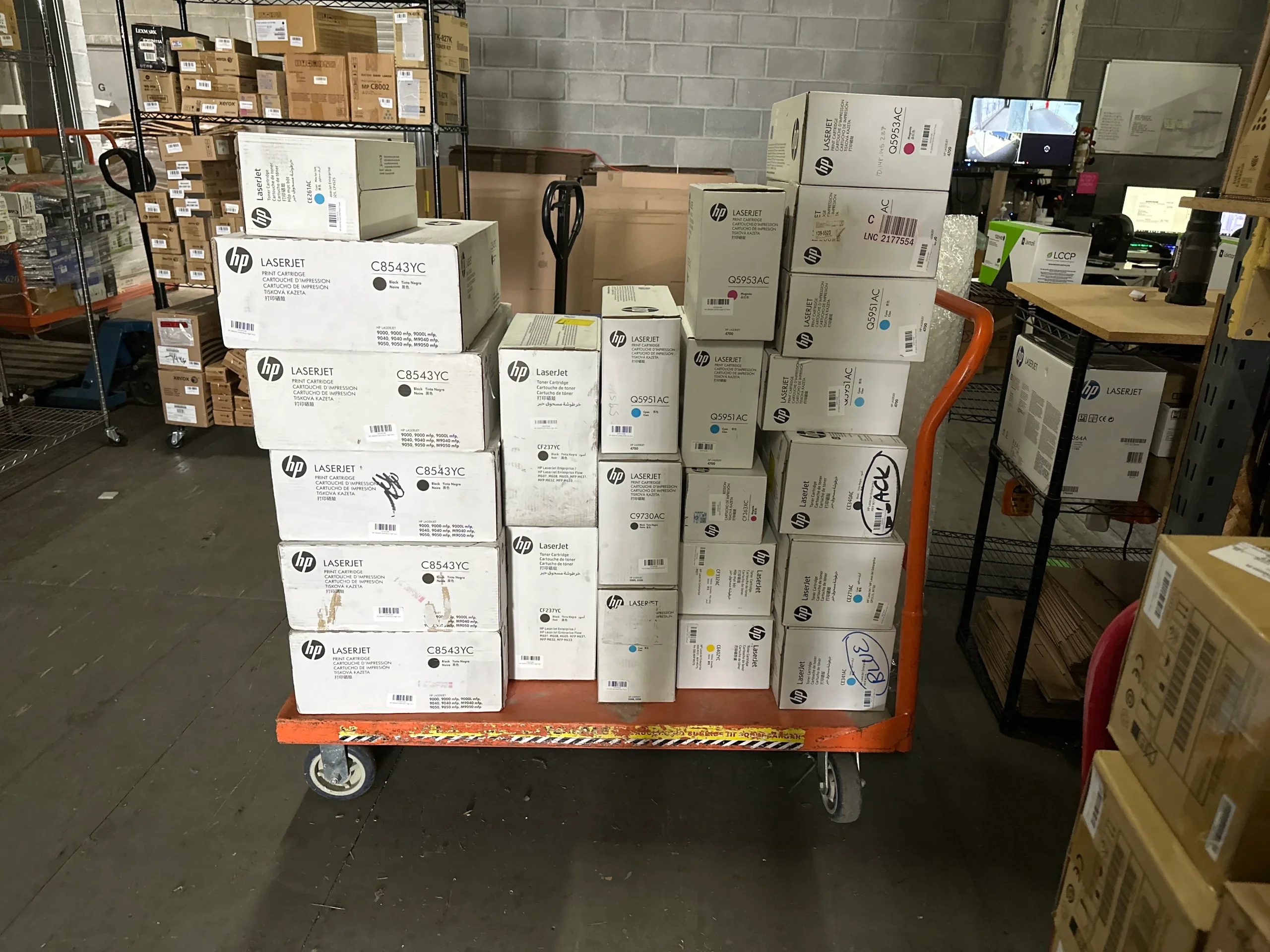
Many organizations upgrade printers and end up with unused toner inventory.
Unused OEM Toner Can Often Be Resold
Instead of throwing away unopened cartridges, businesses may be able to:
- Sell surplus toner
- Recover part of their investment
- Free up storage space
Transparency Matters When Selling Toner
If you ever decide to sell unused toner, choosing a trustworthy buyer is just as important as choosing the right toner supplier.
Toner Connect recently shared a behind-the-scenes TikTok showing exactly what happens when toner arrives at their facility. Unlike many surplus toner buyers that keep the process hidden, Toner Connect walks customers through their six-step inspection process on camera.
TikTok Video click here.
According to the video, every shipment is:
- Unpacked and inspected for damage
- Checked for additional cartridges included in the shipment
- Reviewed against the original quote
- Verified for authenticity through hologram stickers
- Checked for expiration dates and condition
- Stocked and paid once the inspection is complete
What makes the process unique is its transparency. If customers send more toner than originally quoted, they get paid for the additional items. If an item doesn’t qualify, Toner Connect explains exactly why. This helps eliminate the uncertainty that many sellers worry about when selling surplus toner.
Compare Total Cost, Not Just Purchase Price
The cheapest toner cartridge is not always the best value.
Consider:
- Cost per page
- Page yield
- Reliability
- Print quality
- Replacement frequency
Long-Term Savings Matter
A slightly higher-priced cartridge may provide:
- More pages
- Better performance
- Lower operating costs
Because of this, total ownership cost is often more important than upfront price.
Buy From a Reliable Supplier
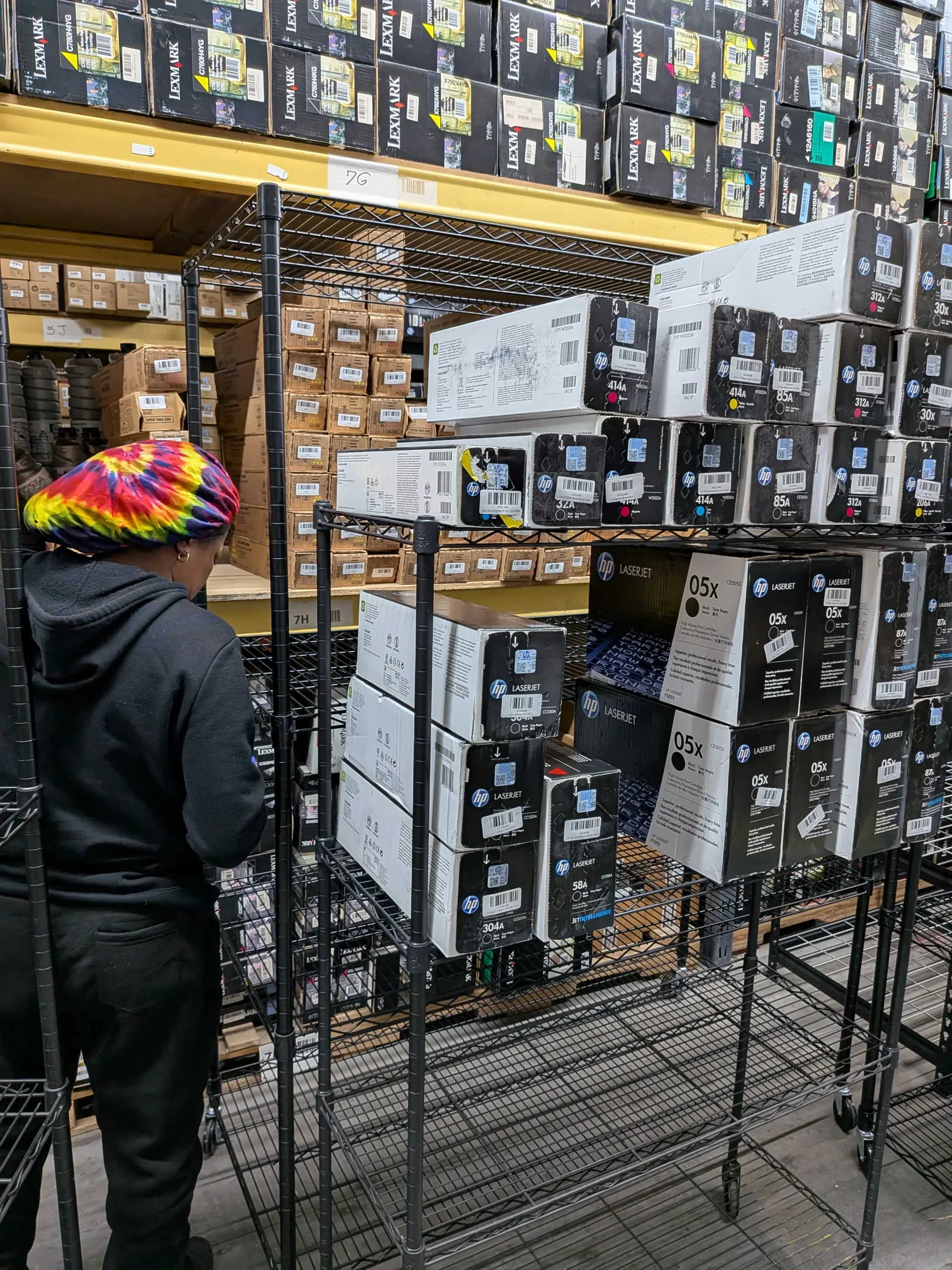
The supplier you choose can affect your entire printing experience.
Look For:
- Genuine products
- Responsive customer service
- Clear return policies
- Industry expertise
Reliable Suppliers Help You Avoid
- Counterfeit products
- Compatibility issues
- Delayed deliveries
As a result, selecting a reputable supplier helps ensure a smoother purchasing experience.
Make Smarter Toner Purchasing Decisions
Buying toner cartridges involves more than simply finding the lowest price. Printer compatibility, print quality, page yield, inventory management, and supplier reliability all play important roles in determining long-term value.
By carefully evaluating these factors before buying toner cartridges, businesses can reduce costs, improve productivity, and maintain consistent printing performance. A little research today can prevent major printing headaches tomorrow.