
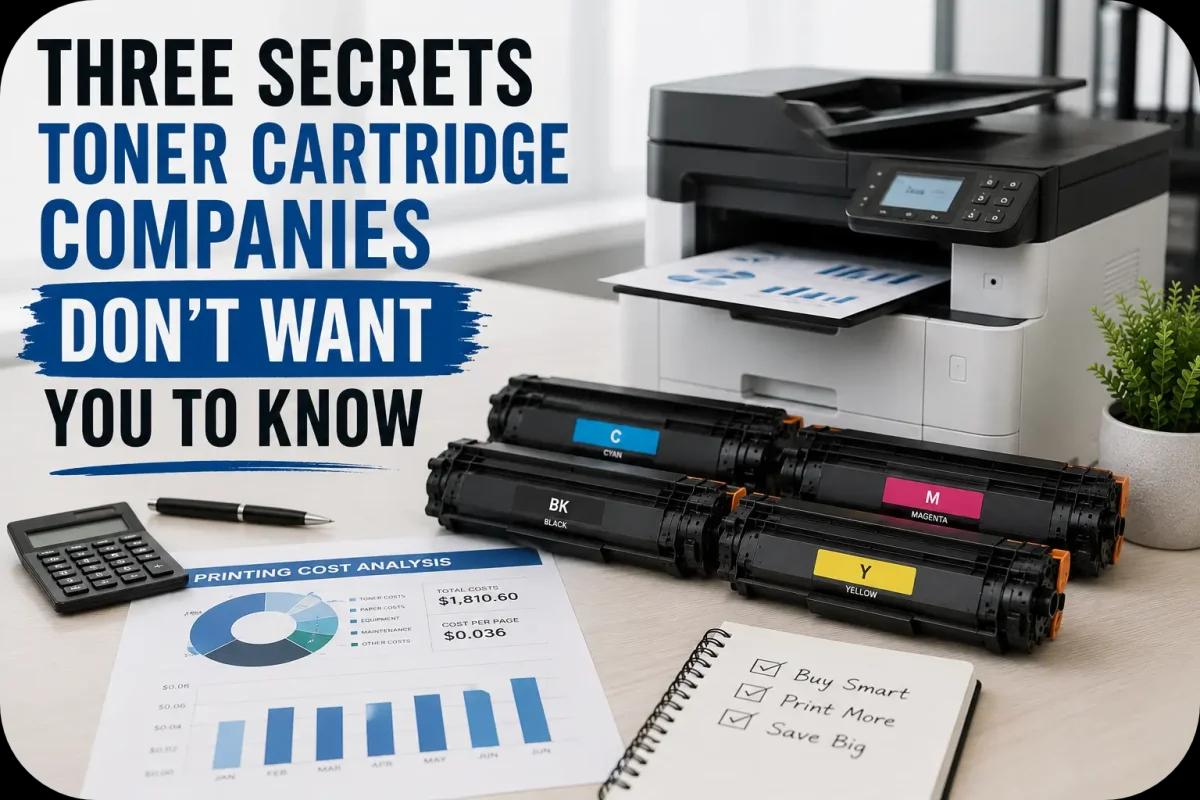
Three Secrets Toner Cartridge Companies Don’t Want You To Know
Toner cartridges are essential for laser printing, but many consumers still feel confused about pricing, cartridge lifespan, and replacement costs. While toner cartridge companies provide important printing solutions, there are also several industry realities that many buyers do not fully understand.
From high profit margins and page yield misconceptions to compatibility restrictions and smart chip technology, understanding how the toner cartridge industry works can help businesses and home users make smarter printing decisions.
Here are three important toner cartridge secrets many buyers wish they had known sooner.
Secret #1: Printers Are Often Cheap Because Toner Makes the Real Profit
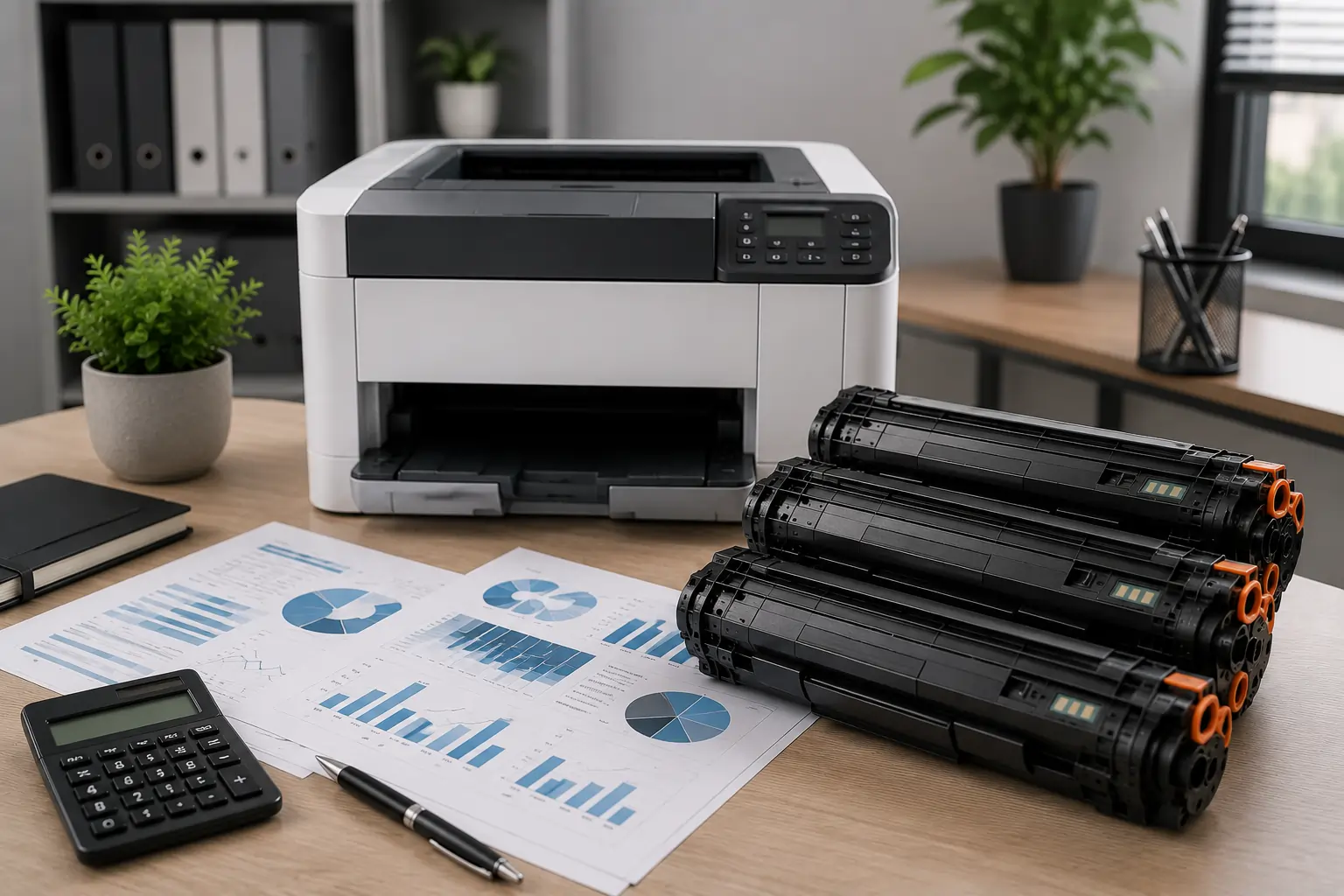
Many people notice that some laser printers are surprisingly affordable compared to the cost of replacement toner cartridges. This pricing strategy is not accidental.
The Printer and Toner Business Model
Some printer manufacturers sell printers at:
- Lower profit margins
- Discounted promotional prices
- Competitive entry level pricing
However, companies often recover profits later through ongoing toner cartridge sales.
This business model is similar to:
- Razors and replacement blades
- Coffee machines and coffee pods
As a result, long term toner costs may eventually exceed the original printer price many times over.
Why This Matters for Buyers?
Understanding this strategy helps users:
- Compare long term printing costs
- Evaluate cost per page
- Choose better cartridge options
- Avoid unexpected printing expenses
Therefore, buyers should consider total printing costs instead of only focusing on printer price.
Secret #2: Page Yield Numbers Don’t Always Match Real World Printing

Toner cartridge packaging usually displays estimated page counts such as:
- 1,500 pages
- 3,000 pages
- 10,000 pages
However, actual printing results often vary significantly.
How Toner Yield Testing Works?
Manufacturers typically calculate toner yield using ISO testing standards under controlled conditions.
These tests often assume:
- About 5% page coverage
- Standard text documents
- Controlled print settings
Real World Printing Uses More Toner
In everyday printing, users often print:
- Photos
- Marketing materials
- Bold graphics
- Dark backgrounds
- High resolution documents
These printing habits consume more toner than standard test pages.
As a result, real world page yield may be much lower than advertised estimates.
Smart Buyers Compare Cost Per Page
Instead of focusing only on cartridge price, businesses often compare:
Cartridge Cost ÷ Estimated Yield = Cost Per Page
Because of this, high yield cartridges may provide better long term value.
Secret #3: Smart Chips Can Limit Cartridge Flexibility
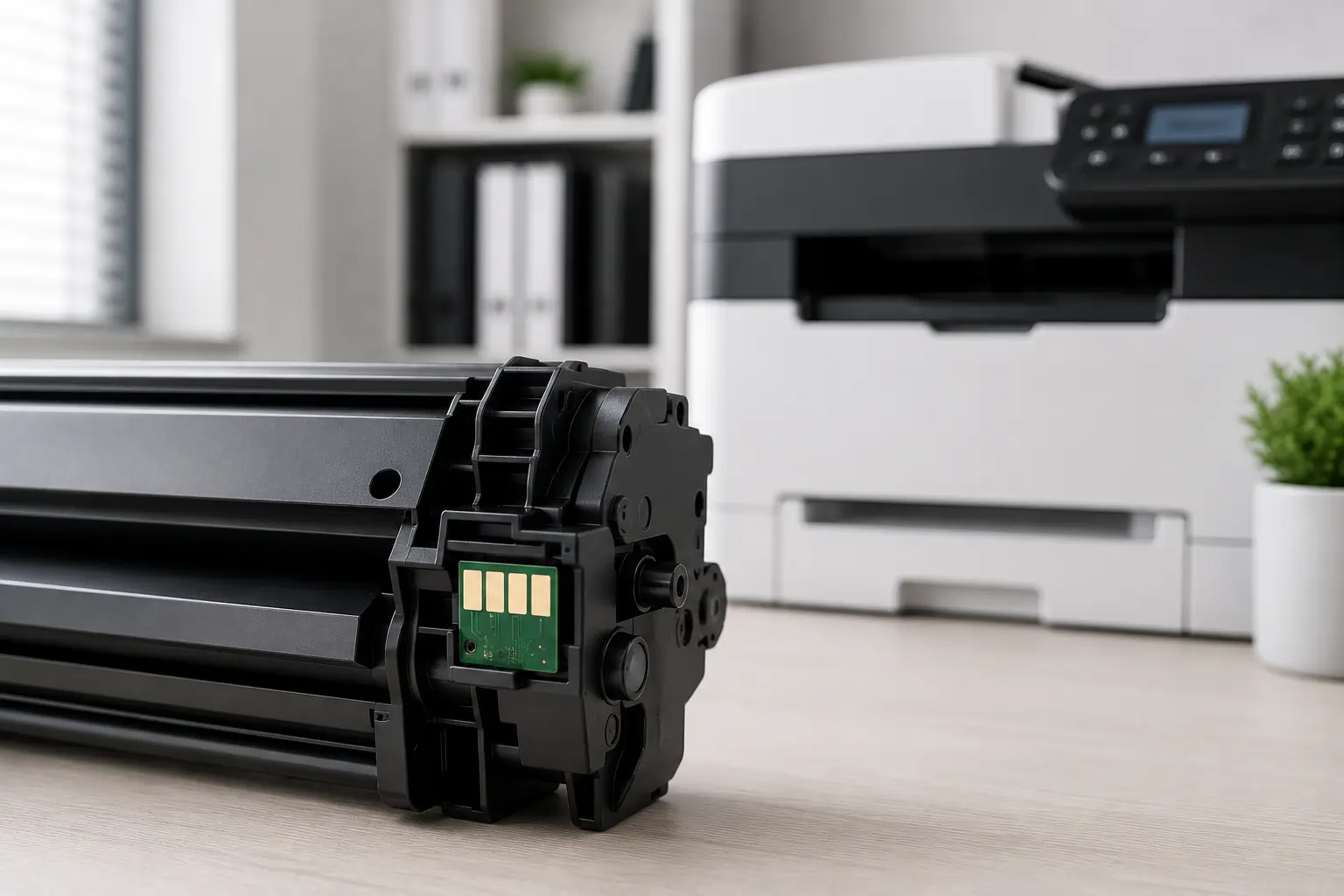
Modern toner cartridges often contain smart electronic chips.
What Toner Cartridge Chips Do?
These chips help:
- Monitor toner levels
- Communicate with printers
- Verify cartridge compatibility
- Track usage data
Why Some Buyers Feel Restricted?
Certain printer manufacturers use proprietary chip systems that:
- Block unauthorized cartridges
- Trigger compatibility warnings
- Restrict third party toner use
Because of this, some buyers feel locked into purchasing expensive OEM cartridges.
Compatible Cartridges Can Still Be Reliable
High quality compatible toner cartridges from trusted suppliers often provide:
- Competitive print quality
- Lower printing costs
- Reliable performance
However, quality varies significantly between suppliers.
Businesses and home users looking for dependable toner supplies can explore compatible toner cartridge options from Toner Connect.
Why Toner Cartridges Still Cost So Much?
Even with these industry realities, toner cartridges remain highly advanced products.
Toner Technology Is Complex
Modern toner cartridges contain:
- Drum units
- Magnetic rollers
- Precision toner powder
- Smart chips
- Internal cleaning systems
Manufacturing Requires Precision
Toner production involves:
- Advanced engineering
- Quality control testing
- Compatibility research
- Specialized toner formulas
Therefore, cartridge manufacturing still involves significant production costs.
Counterfeit Toner Cartridges Are a Growing Problem
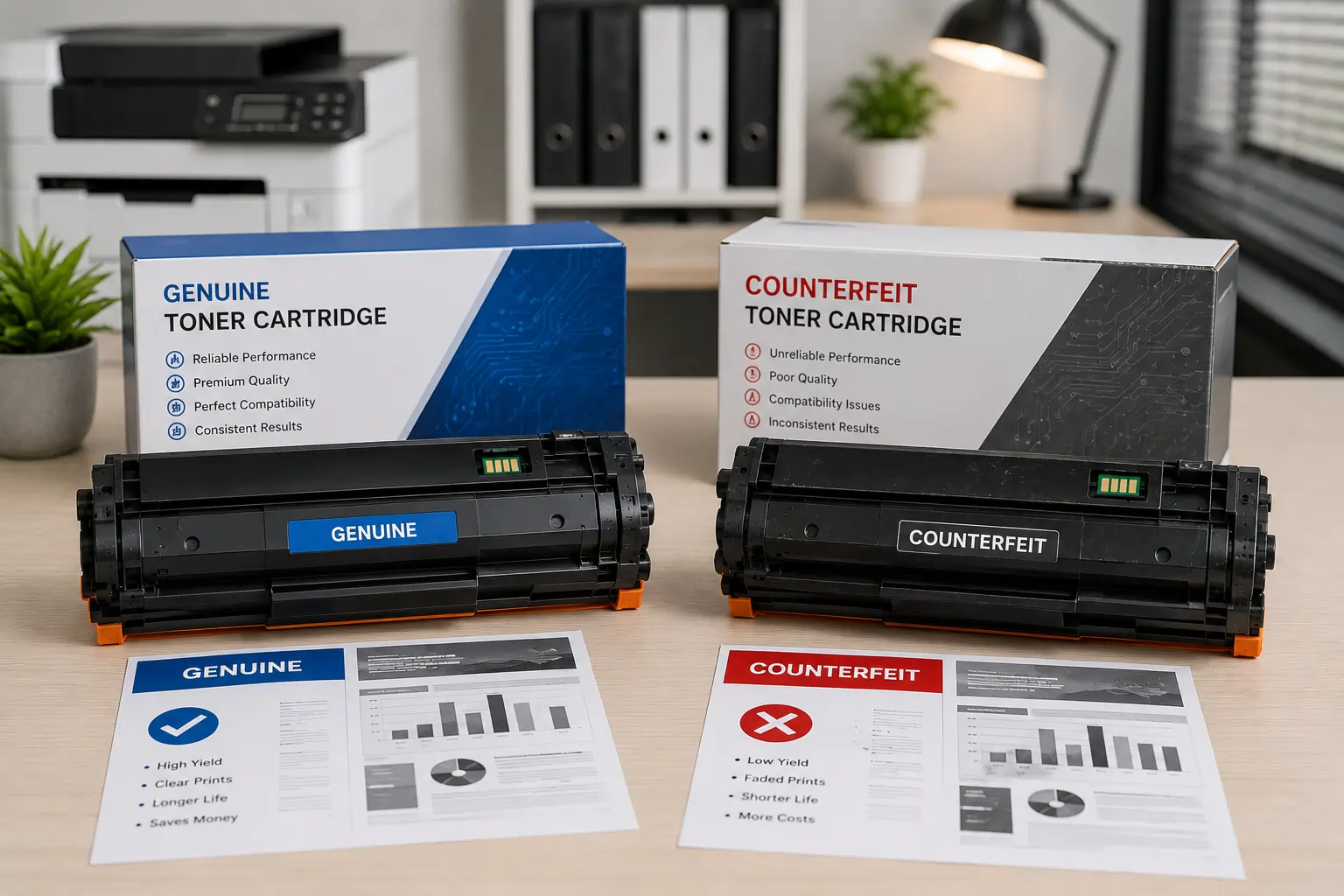
Many buyers search for extremely cheap toner online without realizing the risks.
Counterfeit Cartridges May Cause Problems
Low quality counterfeit cartridges may:
- Leak toner
- Produce poor print quality
- Fail early
- Damage printers
Trusted Suppliers Matter
Reliable toner suppliers help reduce:
- Compatibility issues
- Cartridge failures
- Printer maintenance problems
As a result, balancing quality and affordability is important when buying toner.
High Yield Cartridges Often Offer Better Long Term Savings
Some buyers avoid high yield cartridges because of higher upfront pricing.
However, high yield cartridges often:
- Lower cost per page
- Reduce cartridge replacement frequency
- Improve office efficiency
- Reduce workflow interruptions
Therefore, businesses with high printing demands often save more long term with higher yield options.
How Smart Buyers Reduce Toner Costs?
Understanding toner industry practices helps buyers make smarter purchasing decisions.
Compare Cost Per Page
Look beyond upfront cartridge price.
Buy from Reliable Suppliers
Trusted sellers help reduce counterfeit risks.
Use Draft Mode for Internal Documents
Lower toner density helps extend cartridge life.
Choose High Yield Cartridges When Appropriate
High volume offices often benefit most from larger capacity cartridges.
Maintain Printers Properly
Clean printers operate more efficiently and reduce unnecessary toner waste.
The Toner Cartridge Industry Continues Evolving
Modern printing technology continues improving through:
- Smarter toner monitoring
- Better toner formulas
- Improved cartridge efficiency
- Sustainable recycling programs
- Enhanced print management systems
As printing technology advances, buyers will likely gain even more tools for managing printing costs and improving efficiency.
According to HP and Canon printing resources, smarter print management and efficient toner usage remain important for controlling long term printing expenses.
Conclusion
Understanding how the toner cartridge industry works can help businesses and home users make smarter printing decisions. From hidden long term costs and page yield misconceptions to cartridge chip restrictions and compatibility concerns, informed buyers are better equipped to reduce printing expenses and improve printer performance. By choosing reliable toner suppliers, comparing cost per page, and maintaining printers properly, users can gain more value from their printing investments over time.