Three Most Common Methods Used to Refill Toner Cartridges
Refilling toner cartridges has become a popular option for businesses and individuals looking to reduce printing costs. Instead of purchasing a brand-new cartridge, some users choose to add toner to an existing cartridge and continue using it. While refilling can sometimes offer short-term savings, the process requires care, specialized tools, and an understanding of how toner cartridges work.
Over the years, several methods have emerged for those who choose to refill toner cartridges. Some methods are simple and commonly used by DIY enthusiasts, while others involve more advanced procedures performed by professionals.
This guide explores the three most common methods used to refill toner cartridges, along with the advantages and drawbacks of each approach.
Why People Refill Toner Cartridges?
Before looking at the methods themselves, it’s important to understand why refilling toner cartridges remains popular.
Potential Benefits Include:
- Lower upfront costs
- Reduced waste
- Extended cartridge use
- Fewer cartridge purchases
However, There Are Risks
Refilled cartridges may sometimes result in:
- Print quality issues
- Toner leaks
- Cartridge recognition errors
- Reduced page yields
Because of this, businesses should weigh both the benefits and drawbacks before choosing to refill toner cartridges.
Method 1: Toner Refill Through the Fill Hole
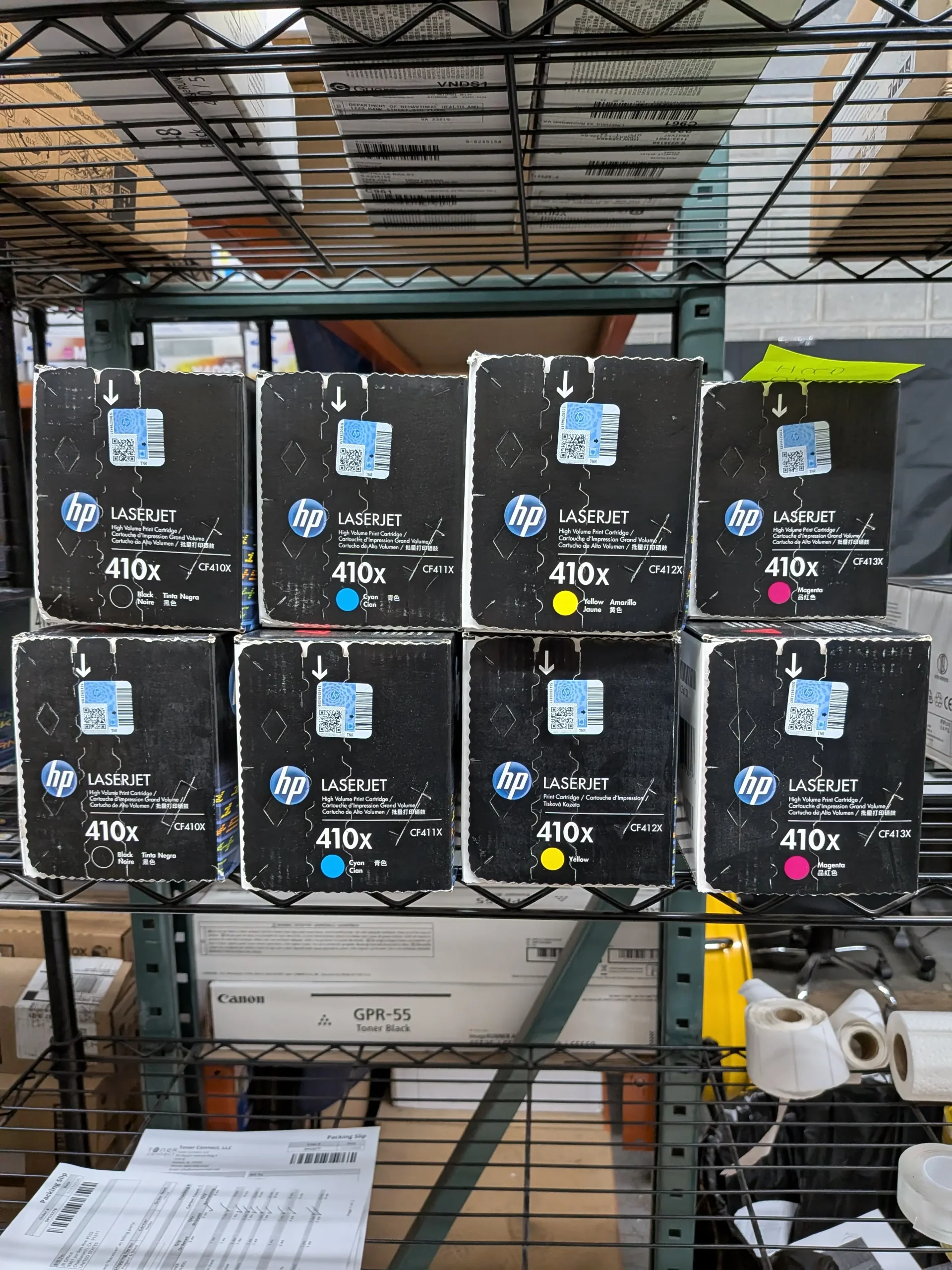
The fill hole method is one of the most common ways to refill toner cartridges.
How It Works?
Many toner cartridges contain a designated refill opening or can be modified to create one.
The process typically involves:
- Opening the refill port
- Removing the existing plug
- Adding compatible toner powder
- Resealing the cartridge
Why It’s Popular?
The fill hole method is often:
- Quick
- Relatively inexpensive
- Suitable for basic cartridge designs
Potential Drawbacks
Improper filling may lead to:
- Toner spills
- Overfilling
- Internal contamination
As a result, careful handling is essential.
Method 2: Disassembly and Full Cartridge Refill
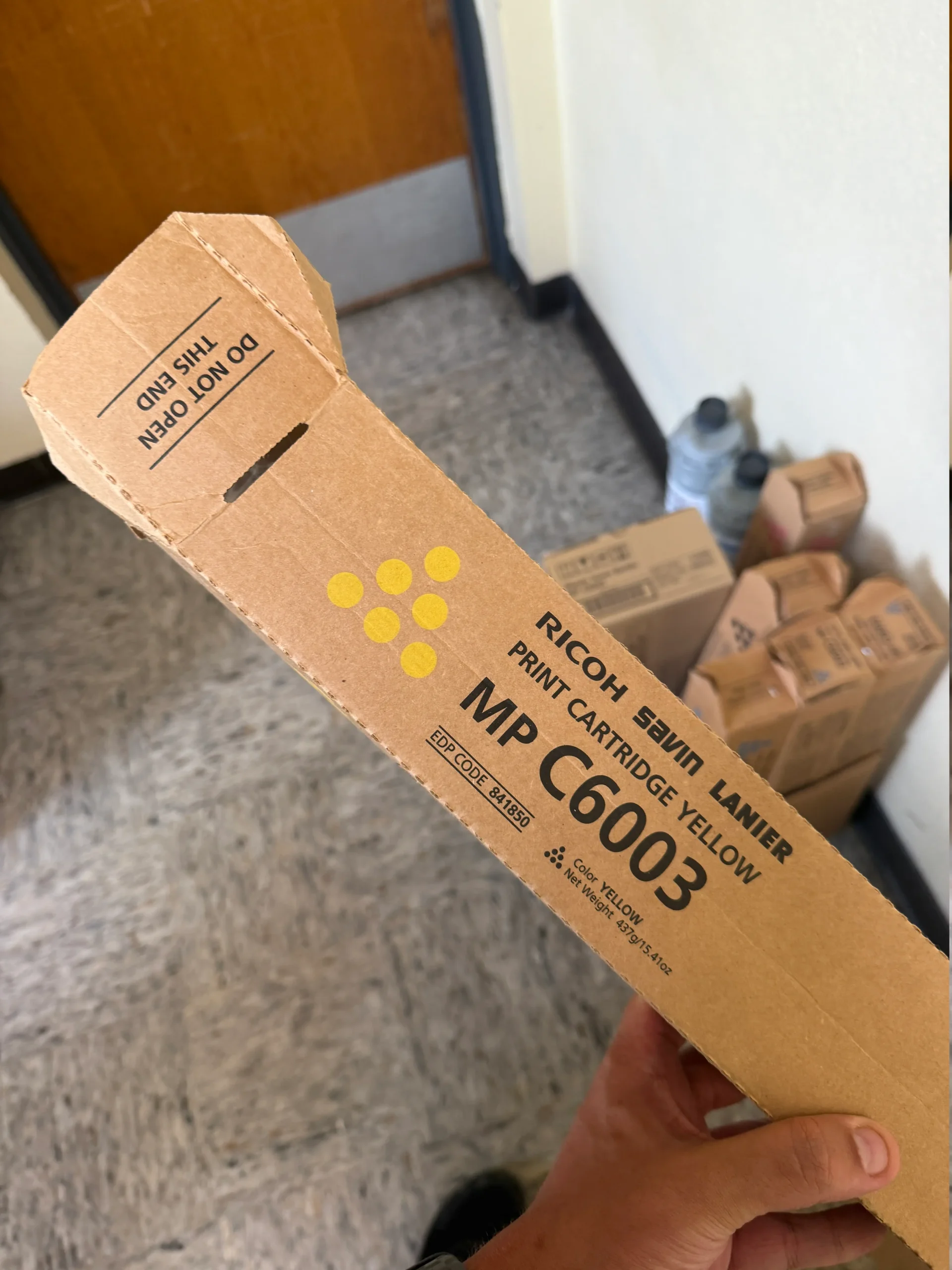
A more advanced method involves completely disassembling the toner cartridge.
How It Works?
The cartridge is opened and inspected before:
- Removing residual toner
- Cleaning internal components
- Refilling with fresh toner
- Reassembling the cartridge
Benefits of Full Disassembly
This method allows users to:
- Clean toner waste compartments
- Inspect worn parts
- Improve refill consistency
Challenges of This Method
Disassembly requires:
- Technical knowledge
- Specialized tools
- Extra time
Because of this, many businesses leave this method to experienced technicians.
Method 3: Professional Cartridge Remanufacturing
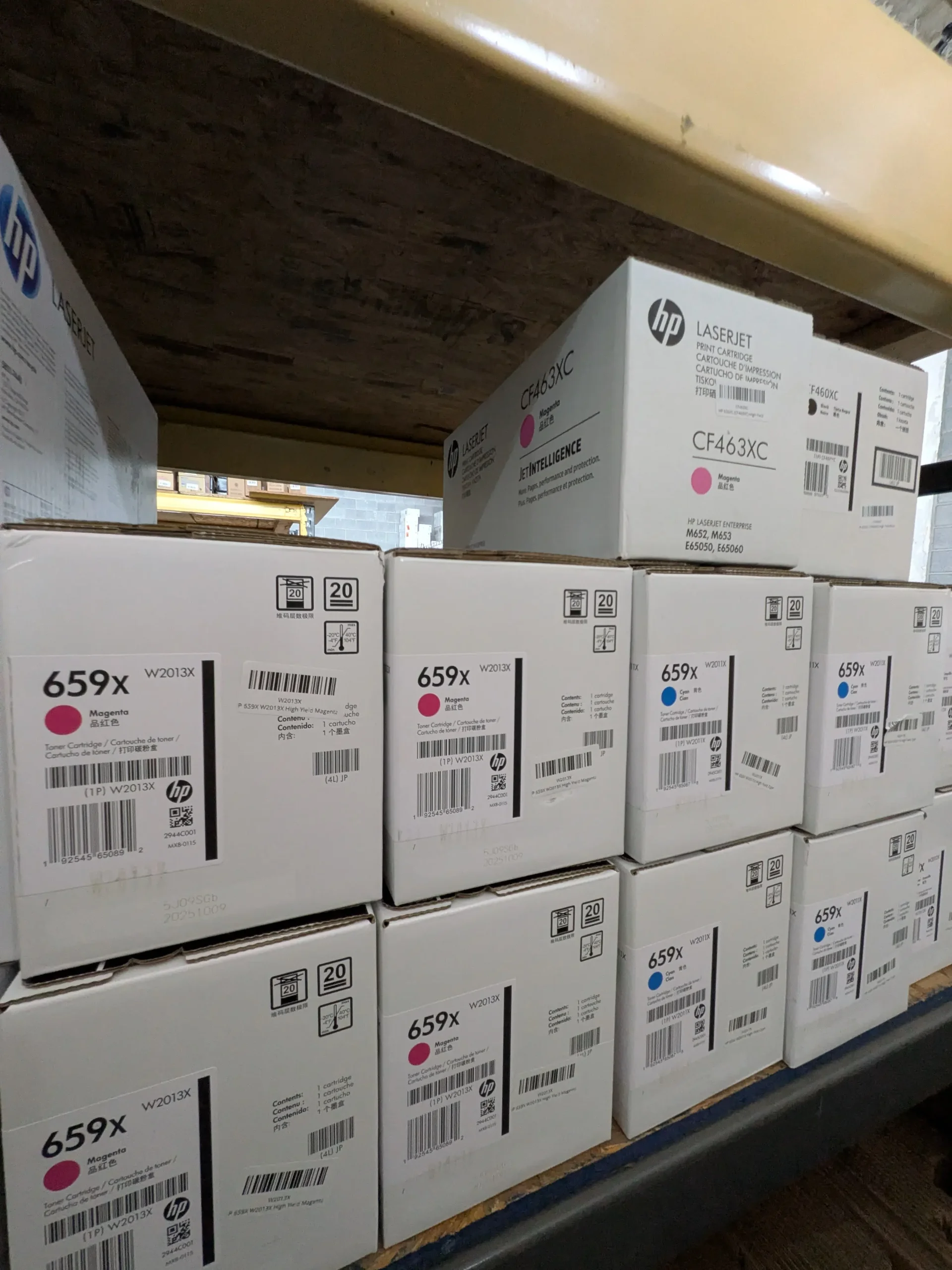
Professional remanufacturing is the most comprehensive refill process.
How It Works?
Unlike basic refilling, remanufacturing often includes:
- Complete cartridge disassembly
- Internal cleaning
- Component replacement
- Toner refilling
- Quality testing
Components Often Replaced
Depending on cartridge condition, technicians may replace:
- Drums
- Wiper blades
- Rollers
- Seals
- Chips
Why Businesses Choose Remanufacturing?
Professional remanufacturing can provide:
- Better print quality
- More consistent performance
- Longer cartridge life
As a result, remanufacturing is often viewed as a higher-quality alternative to simple refilling.
Common Problems When You Refill Toner Cartridges
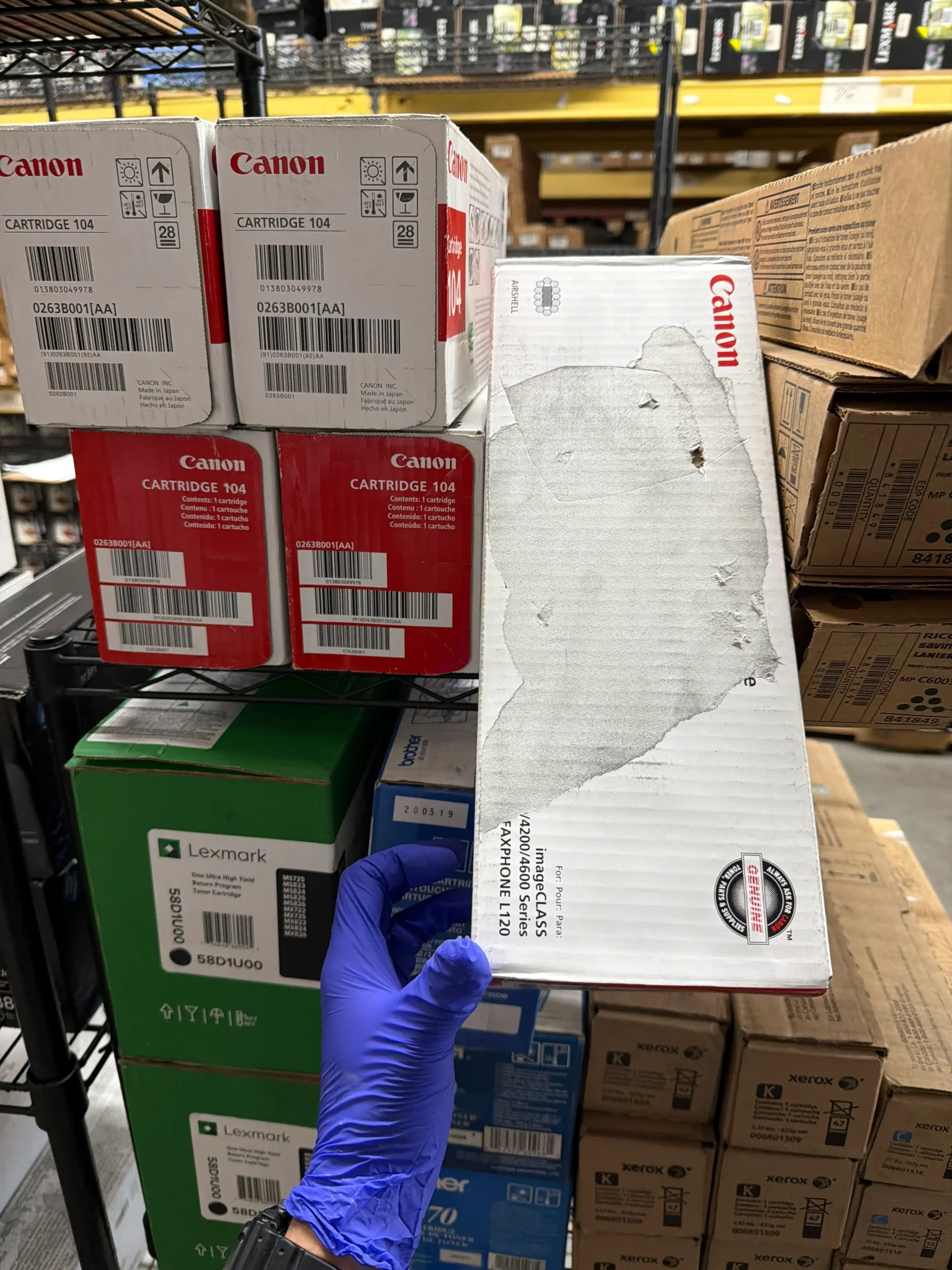
Regardless of the method used, refilling toner cartridges can create challenges.
Toner Leaks
Improper sealing may cause:
- Toner spills
- Printer contamination
- Print defects
Poor Print Quality
Refilled cartridges may produce:
- Streaks
- Faded prints
- Uneven toner coverage
Compatibility Issues
Some modern printers may display:
- Toner errors
- Low toner warnings
- Cartridge recognition problems
Because of this, refilling is not always a perfect substitute for a new cartridge.
Modern Toner Cartridges Are More Complex Than Ever
Today’s toner cartridges often contain advanced technology.
Features May Include:
- Smart chips
- Page tracking systems
- Toner monitoring sensors
- Printer communication software
Refilling Doesn’t Always Restore Functionality
Even after adding toner, certain cartridge features may continue to show:
- Error messages
- Toner alerts
- Usage warnings
As a result, refilling modern cartridges has become more complicated than it was in the past.
Businesses looking for reliable OEM toner cartridges can explore solutions from Toner Connect.
Alternatives to Refilling Toner Cartridges
For businesses seeking dependable printing performance, there are alternatives to refilling.
OEM Toner Cartridges
Original Equipment Manufacturer (OEM) cartridges often provide:
- Consistent quality
- Reliable page yields
- Better printer compatibility
High-Yield Cartridges
High-yield toner options can:
- Reduce replacement frequency
- Lower cost per page
- Improve printing efficiency
Because of this, many organizations choose OEM or high-yield cartridges instead of refilling.
Environmental Considerations
Many people refill toner cartridges to reduce waste.
Refilling Can Extend Cartridge Life
Using a cartridge longer may:
- Reduce disposal rates
- Lower material consumption
Recycling Remains Important
When cartridges reach the end of their usable life, businesses should consider:
- Recycling programs
- Toner buyback options
- Responsible disposal services
As a result, sustainable toner management involves more than simply refilling cartridges.
Is Refilling Toner Cartridges Worth It?
The answer depends on your priorities.
Refilling May Appeal To:
- Cost-conscious users
- Small offices
- DIY enthusiasts
New Cartridges Often Appeal To:
- Businesses with heavy printing needs
- Organizations requiring consistent quality
- Users seeking minimal maintenance
Because of this, each organization should evaluate its printing requirements before deciding whether to refill toner cartridges.
Understanding the Different Ways to Refill Toner Cartridges
The three most common methods used to refill toner cartridges include the fill hole method, full cartridge disassembly, and professional remanufacturing. Each approach offers different advantages, costs, and levels of complexity.
While refilling may help reduce short-term printing expenses, users should also consider print quality, reliability, maintenance requirements, and long-term costs before making a decision. Understanding these methods allows businesses and individuals to make more informed choices about their printing supplies.
Conclusion
Refilling toner cartridges can be done in several ways, ranging from simple fill hole methods to complete professional remanufacturing. While each method offers potential cost savings, they also come with challenges related to print quality, reliability, and printer compatibility. Understanding how these refill methods work helps businesses and home users make smarter decisions about managing their printing supplies and maintaining efficient printing operations.