
Before Toner Buyback programs existed, businesses with extra toner cartridges had two real options—and neither was great.
You could stack the boxes in a storage room and pretend they were bricks for an office fort. Or you could toss them into a landfill, where they would take over 100 years to decompose.
Neither option made much sense.
That changed with a bright idea, a minivan, and the realization that almost every business in the country was sitting on unused toner. That’s how the Toner Buyback program was born—and yes, we’re proud of it.
To make sure you get the most value possible, we sat down with Toner Connect founder and CEO, James Cai, to break down exactly how Toner Buyback works and how sellers can maximize their payout.
According to James, the best Toner Buyback rates come from:
Brand-new, unopened toner
Popular, in-demand models
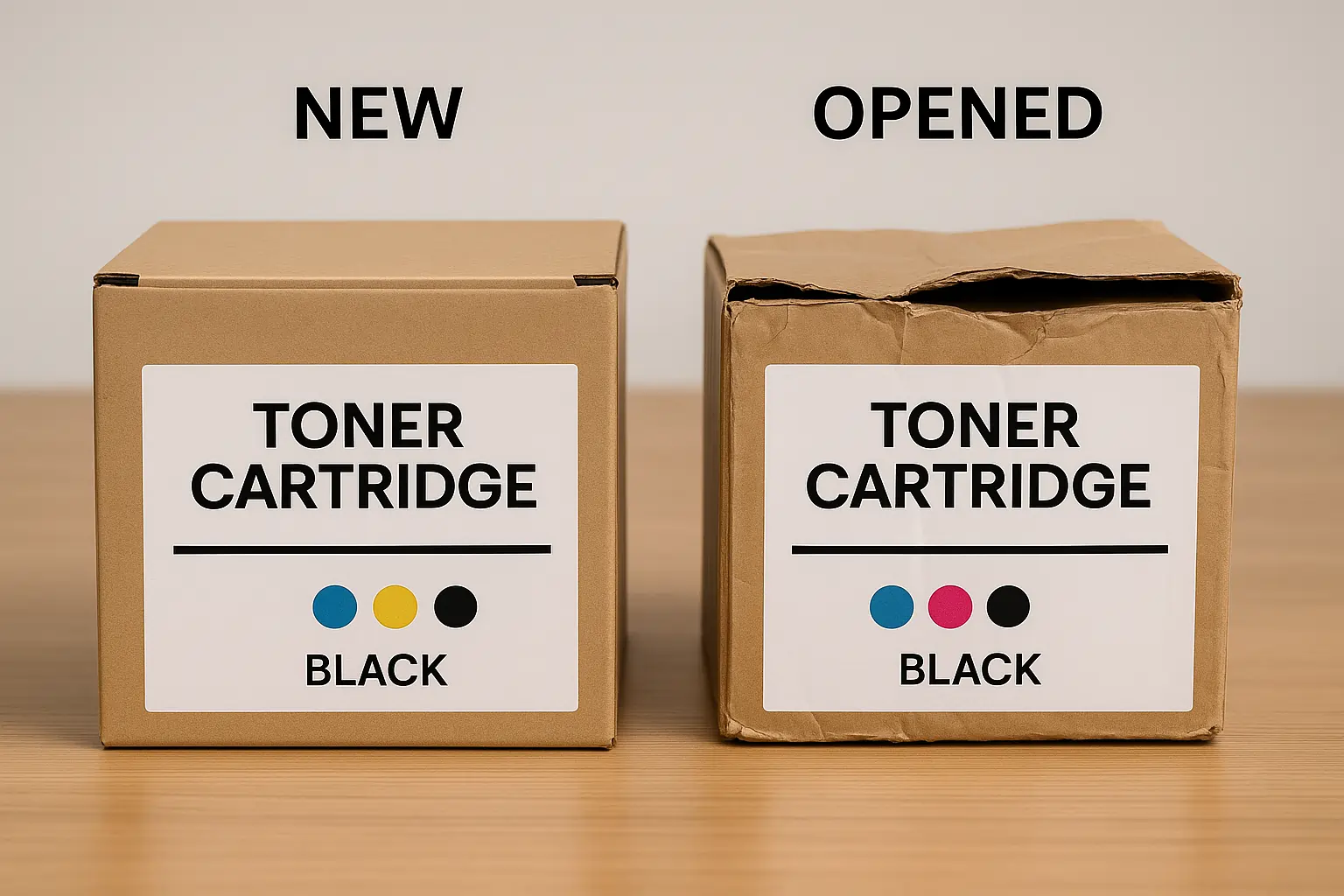
Boxes in excellent condition (no rips, dents, or damage)
Shipping labels or stickers on the box are fine. Our team knows how to remove them carefully without damaging the packaging.
Toner Buyback rates fluctuate monthly.
Printers and copiers depreciate over time, just like cars. When OEM manufacturers release newer models, older machines slowly phase out. As demand drops, so does the value of the toner made for those machines.
James compares it to buying a luxury car at a discount:
“It’s like buying a Mercedes-Benz at a steal. The car is still great—it’s just not the newest model.”
The same logic applies to toner.
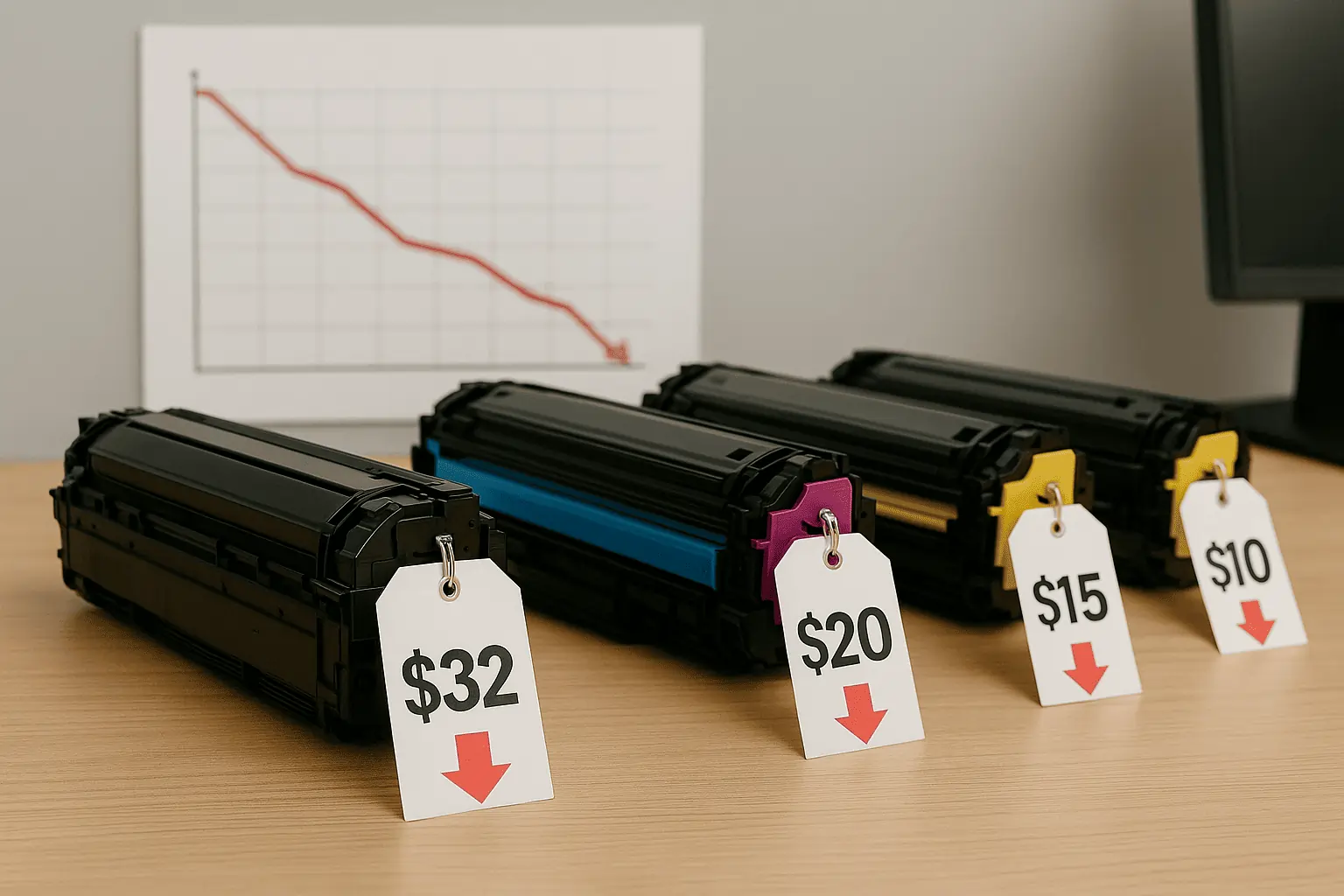
Retail prices don’t determine Toner Buyback rates.
OEM toner pricing often stays inflated long after a printer is discontinued. James shared a perfect example:
HP LaserJet 2100 (released in 1999, discontinued in 2001)
OEM toner (C4096A) still sells for:
$71 on Amazon
$154.99 at Staples
That pricing doesn’t reflect real demand.
Toner Connect buys that toner back for around $5 and resells it for $30–35, passing massive savings on to customers while taking on the risk of slow-moving inventory.
“From the outside, margins look high—but low-demand items can sit on shelves for years.”
For Toner Buyback eligibility, cartridges must be:
Brand new
Never opened or used
Fully sealed in original packaging
If a box shows signs of tampering, the value may drop—or the toner may not be accepted at all.
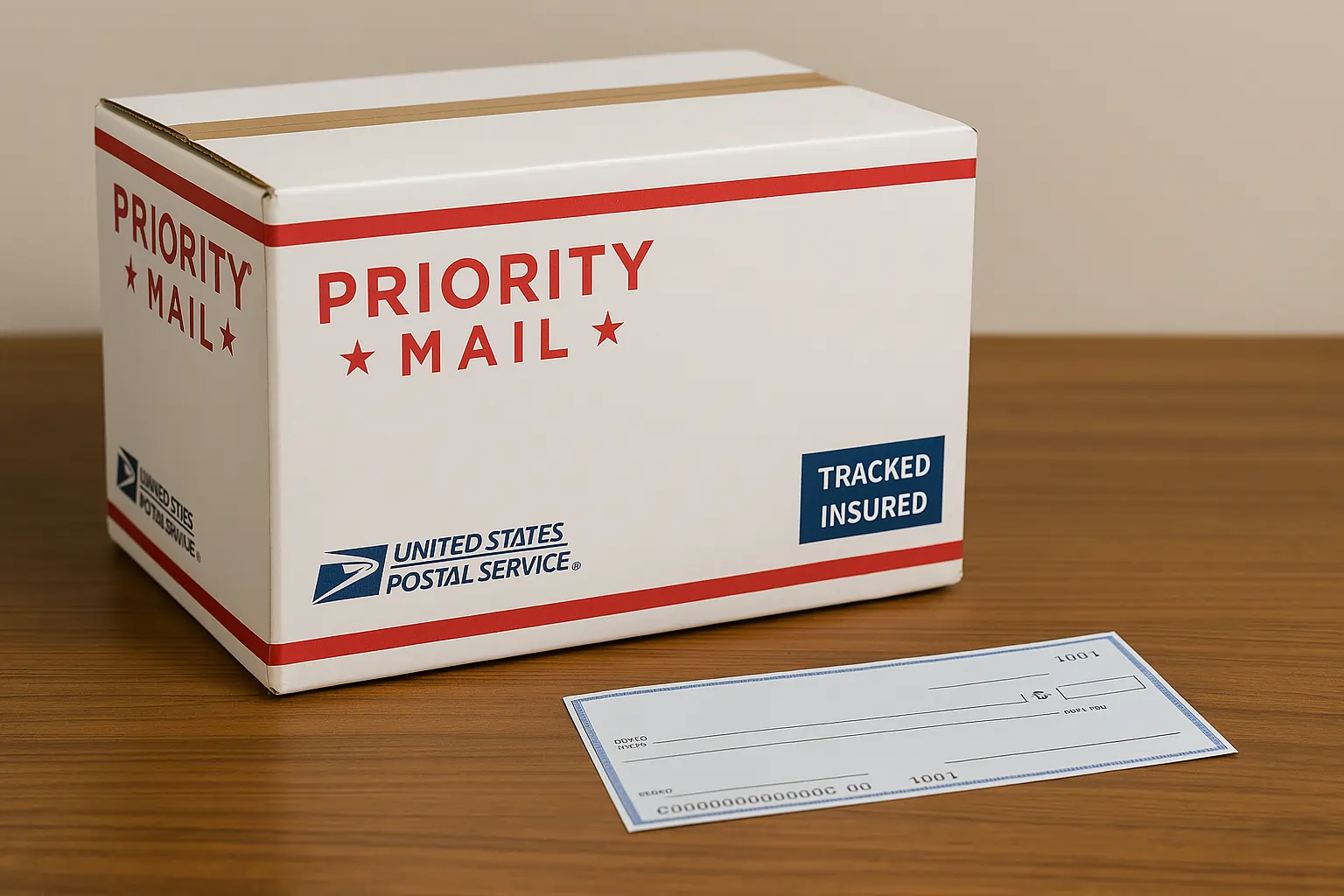
Toner Buyback payment depends on your chosen method:
PayPal: Often paid the same day after inspection
Check: Usually arrives within 2–3 business days after inspection
On average, the full process takes 6–7 days from shipping to payment.
No. Toner Buyback is currently available only within the United States.
Due to the rise in counterfeit toner overseas, Toner Connect does not accept imported OEM toner.
James’ advice is simple:
“If you have unused toner sitting around, sell it sooner rather than later.”
Toner Buyback works best when you act early, and that’s exactly where Toner Connect makes the process worth your time.
From fast appraisals to free shipping and quick payment, Toner Connect removes the guesswork and hassle from selling unused toner. You spend just a few minutes submitting your details, and in return, you turn dormant inventory into real cash.
If you’ve been wondering whether Toner Buyback is worth it, this Q&A should make one thing clear:
