
Ever find yourself staring at a supply closet packed with surplus printer cartridges for a machine you don’t even have anymore? You’re not alone. That forgotten stash isn’t just taking up space, it’s an untapped cash reserve waiting to be unlocked.
This guide shows you how to turn new, unopened, genuine OEM ink and toner cartridges into real money for your business. We’re not talking about recycling empties. This is asset recovery: converting idle inventory from a printer upgrade, over-ordering, or a discontinued device into working capital.
Turn Your Surplus Printer Cartridges Into Cash
Cashing in on unused supplies is more than a closet clean-out. It’s a smart move that improves cash flow and operations.
-
Generate unexpected revenue: Convert “dead stock” into liquid cash you can use for equipment, marketing, or growth.
-
Reclaim valuable storage space: Stop paying (in rent or clutter) to store items you’ll never use.
-
Support a circular economy: Printer waste is a real issue, research reviews note 1 million printer cartridges are disposed of daily worldwide.
Many offices upgrade printers and end up with perfectly good, sealed cartridges for the old model, like a stack of HP 55X toners after moving on from an HP LaserJet P3015. Those become depreciating assets unless you sell them.
The Market for Surplus Toner and Ink Is Growing
This isn’t a niche side hustle. Demand for genuine OEM supplies remains strong because businesses want reliable print quality without full retail prices.
On the “sustainability + savings” side, the wider recycling/resale ecosystem keeps expanding as well. One market report estimates the printer cartridge recycling market at ~USD 2.5B (2023), projected to reach ~USD 4.8B by 2032.
We’ll walk you through every step of the process, from getting your inventory ready to cashing the check. If you already know what you have, you can jump ahead and get a fast quote for your unused toner right now to find out what it’s worth.
Step 1: Build a Clean Inventory List (This Is Where Top Quotes Start)
Want a top-dollar offer? Start with an accurate spreadsheet. Buyers price your cartridges based on what you report, so the more precise you are, the fewer surprises (and payout reductions) later.
Create one row per cartridge type and include:
-
OEM part number (e.g., HP 952XL, Brother TN850, Canon 055)
-
Quantity (exact counts, no “a few”)
-
Expiration date (critical for ink)
-
Box condition (be honest and specific)
How to describe box condition like a pro
Avoid vague terms like “good.” Try objective notes, such as:
-
“Mint condition”
-
“Minor tear on top flap, seal intact”
-
“Crushed corner, box unopened”
-
“Open box, sealed inner bag”
If there’s visible damage, take quick photos and attach them to your quote request. That one step can prevent the dreaded “inspection downgrade.”
Accurately judging the box condition is where a lot of people stumble. What looks like a “small rip” to you might be considered significant damage to a reseller. If you’re dealing with a large volume of cartridges, getting organized with dedicated stock inventory storage solutions can make sorting and assessing everything much less of a headache.
Step 2: Find and Vet Reputable Toner Buyback Companies
Google “sell unused toner” and you’ll get dozens of options. The trick is choosing a buyer that’s transparent and won’t bait-and-switch you.

A good quote request includes:
-
A clear subject line: “Quote Request for Surplus OEM Cartridges”
-
Your inventory spreadsheet
-
Photos of any questionable packaging
-
Your contact info + shipping location
If you’d like more context before contacting a buyer, Toner Connect also has helpful guides on selling unused toner cartridges and where to sell toner cartridges for cash.
Compare offers the smart way (not just the biggest number)
A slightly lower offer can be the better deal if it includes:
-
A clear per-item price breakdown
-
Transparent grading standards
-
Prepaid, insured shipping labels
Vague terms like “final price subject to inspection” without clear acceptance standards are a red flag.
Step 3: Pack It Like Your Payout Depends on It (Because It Does)
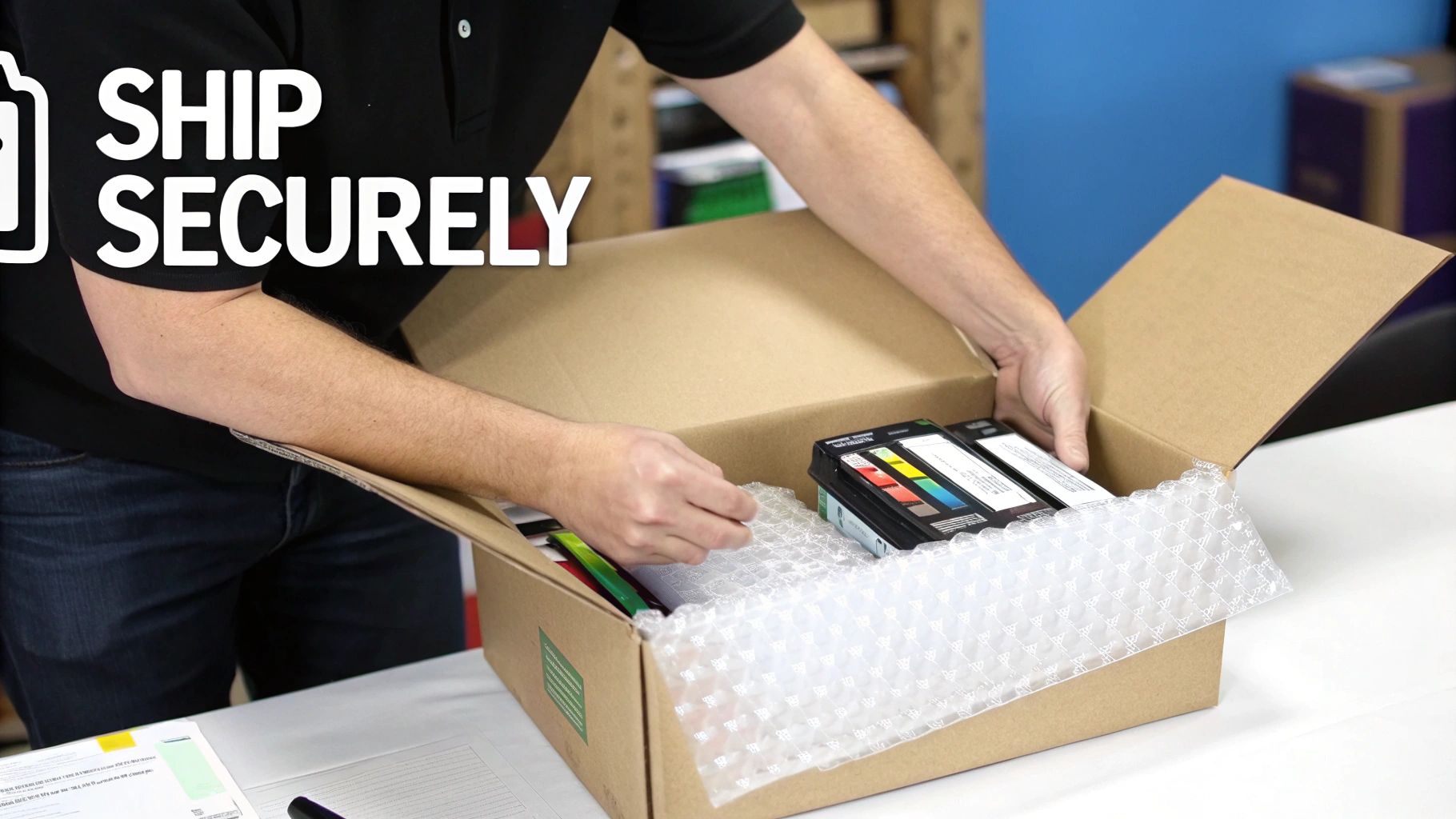
Packing is where many sellers accidentally lose money.
Rule #1: Never ship cartridges in only their retail product boxes. Those boxes weren’t built for carrier abuse.
Best practices:
-
Use a sturdy outer shipping box
-
Wrap each cartridge or fill all void space (bubble wrap, air pillows, paper, anything to stop shifting)
-
Don’t overstuff boxes, crushed corners can downgrade value
-
Never put shipping labels/tape directly on the OEM product box (that often kills resale value)
For businesses shipping large quantities on a regular basis, it might be worth looking into professional help. Tapping into logistics and warehousing expertise can make the whole process smoother and more secure.
FAQ: Selling Unused OEM Cartridges
Is it legal to resell genuine OEM cartridges?
In general, reselling lawful goods is widely recognized under the first sale doctrine in U.S. law (the principle that owners of lawfully made copies can resell them). For deeper reading, see 17 U.S.C. § 109 via Cornell Law School.
If you remember only one thing, let it be this: never ship cartridges using only their original product boxes. Those thin cardboard boxes are made to look good on a retail shelf, not survive the bumps and drops of a cross-country journey. Always, always put them inside a proper shipping box.
What Happens After It Ships?
Once your package is in the carrier’s hands, the rest is pretty straightforward. Reputable buyers want to get you paid quickly because they want your repeat business. Knowing the typical timeline can give you peace of mind.
All told, you’re usually looking at a 3 to 8 business day turnaround from the day you ship to the moment you get paid. You can always learn more about our trusted shippers and their best practices for ensuring a smooth delivery.
(If you’re dealing with special contracts, leases, or international restrictions, consult counsel.)
How much can I make?
It depends on model demand, box condition, and expiration (for ink). High-demand toners can sell for significantly more than standard ink cartridges. That’s why you should request 2–3 quotes.
Selling vs. recycling, what’s the difference?
-
Selling: You’re monetizing new, unused OEM stock for resale value.
-
Recycling: You’re disposing of used/empty cartridges, good for the planet, usually low/no payout.
If you want to dive deeper into this or other common questions, check out our comprehensive FAQ page.
Ready to turn that pile of surplus cartridges into cash? At Toner Connect LLC, we’ve built our process to be simple, transparent, and profitable for you. We offer free prepaid shipping, fast inspections, and same-day payments to help you convert that unused inventory back into working capital. Get your free, no-obligation quote today!