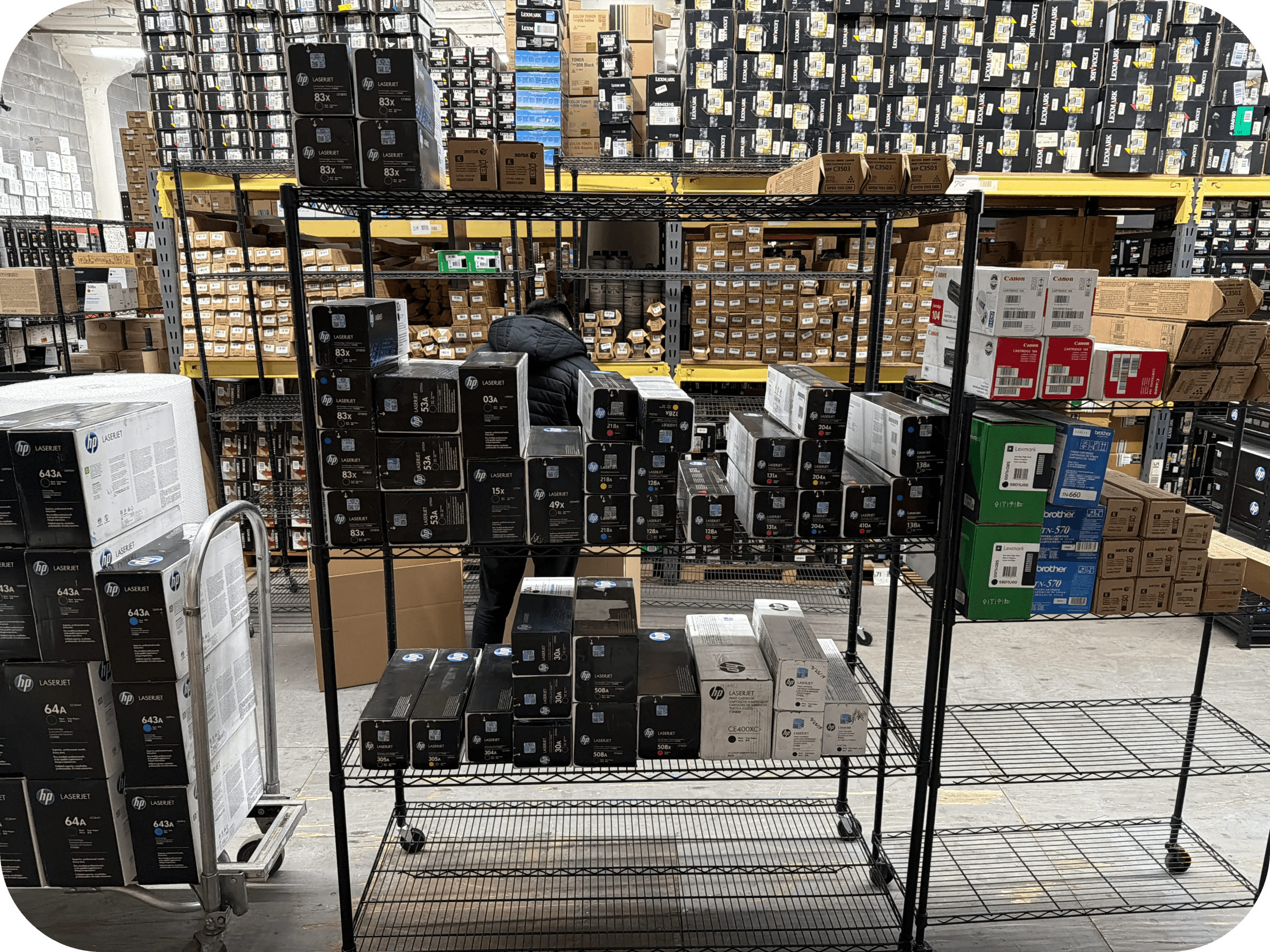
The Importance of Proper Toner Storage for Maximum Cartridge Life
Many businesses focus on purchasing high quality toner cartridges but often overlook an equally important factor: proper toner storage. Whether you manage a large office, a warehouse full of printer supplies, or a small home office, how you store toner cartridges can significantly affect their lifespan, print quality, and overall value.
Improper storage can lead to toner clumping, damaged seals, cartridge leaks, print defects, and even compatibility issues. On the other hand, proper toner storage helps preserve cartridge performance, reduce waste, and maximize your investment in printing supplies.
This guide explains why proper toner storage matters and how businesses can protect their toner inventory for maximum cartridge life.
Why Proper Toner Storage Matters?
Toner cartridges are designed to perform under specific environmental conditions. While they may look durable from the outside, they contain sensitive internal components that can be affected by heat, humidity, dust, and physical damage.
Poor Storage Can Lead To:
- Toner leaks
- Reduced print quality
- Damaged cartridge components
- Lower page yield
- Shortened cartridge lifespan
Proper Storage Helps Preserve:
- Toner consistency
- Drum integrity
- Smart chip functionality
- Cartridge housing condition
Because of this, storage conditions directly impact long term toner performance.
Store Toner Cartridges in a Climate Controlled Environment
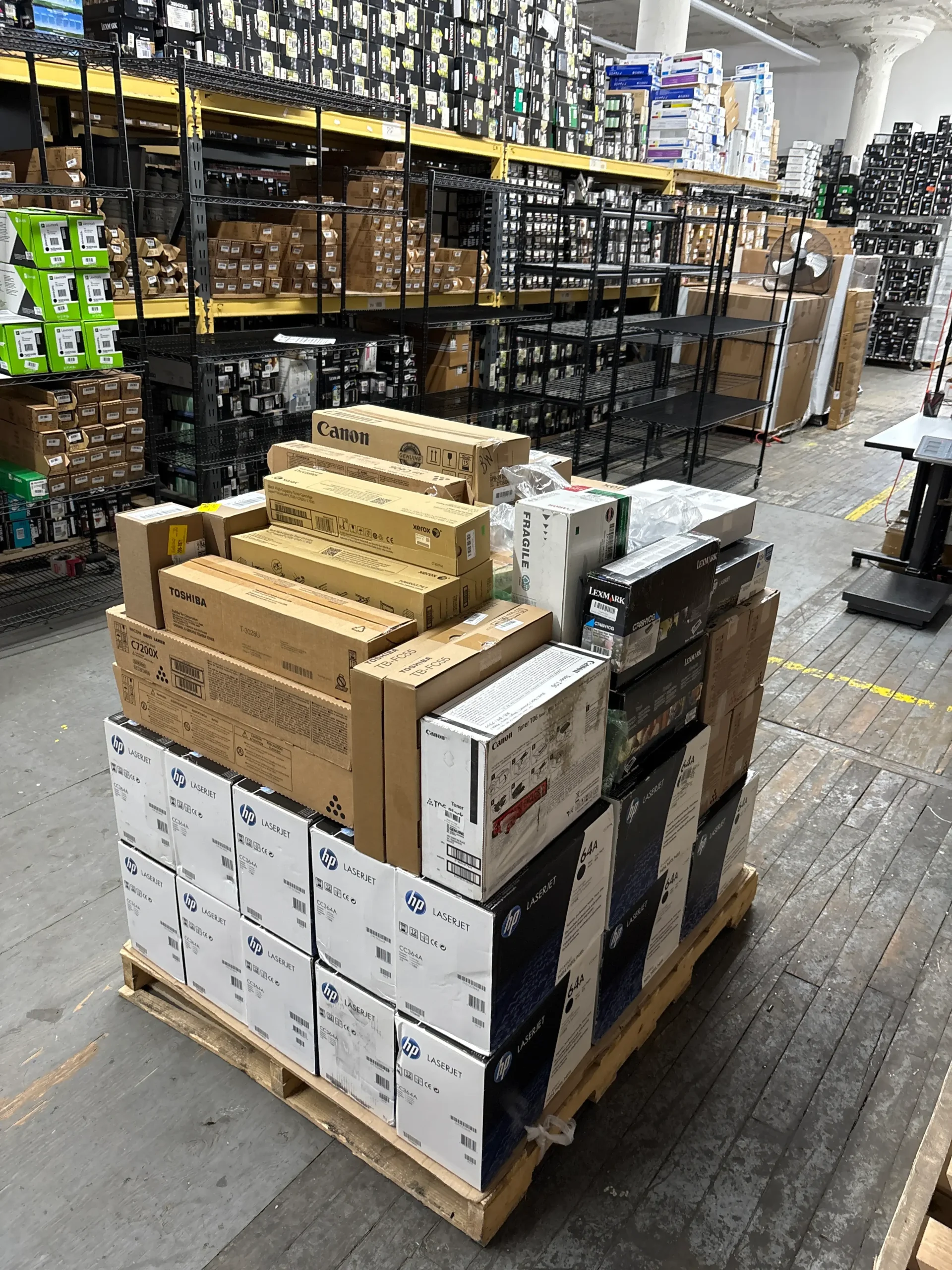
Temperature and humidity are two of the biggest factors affecting toner cartridge lifespan.
Excessive Heat Can Damage Toner
High temperatures may:
- Alter toner consistency
- Weaken cartridge seals
- Increase leakage risks
Humidity Can Affect Internal Components
Moisture exposure may impact:
- Toner powder flow
- Electrical contacts
- Smart chips
- Packaging integrity
As a result, climate controlled storage helps maintain cartridge quality over time.
Keep Toner Cartridges in Their Original Packaging
Manufacturers design toner packaging to protect cartridges during shipping and storage.
Original Packaging Protects Against:
- Dust
- Moisture
- Light exposure
- Physical impact
Sealed Packaging Helps Maintain Stability
Leaving cartridges sealed until needed helps preserve:
- Toner quality
- Cartridge cleanliness
- Internal component reliability
Because of this, businesses should avoid opening cartridges prematurely.
Organize Inventory to Avoid Forgotten Toner
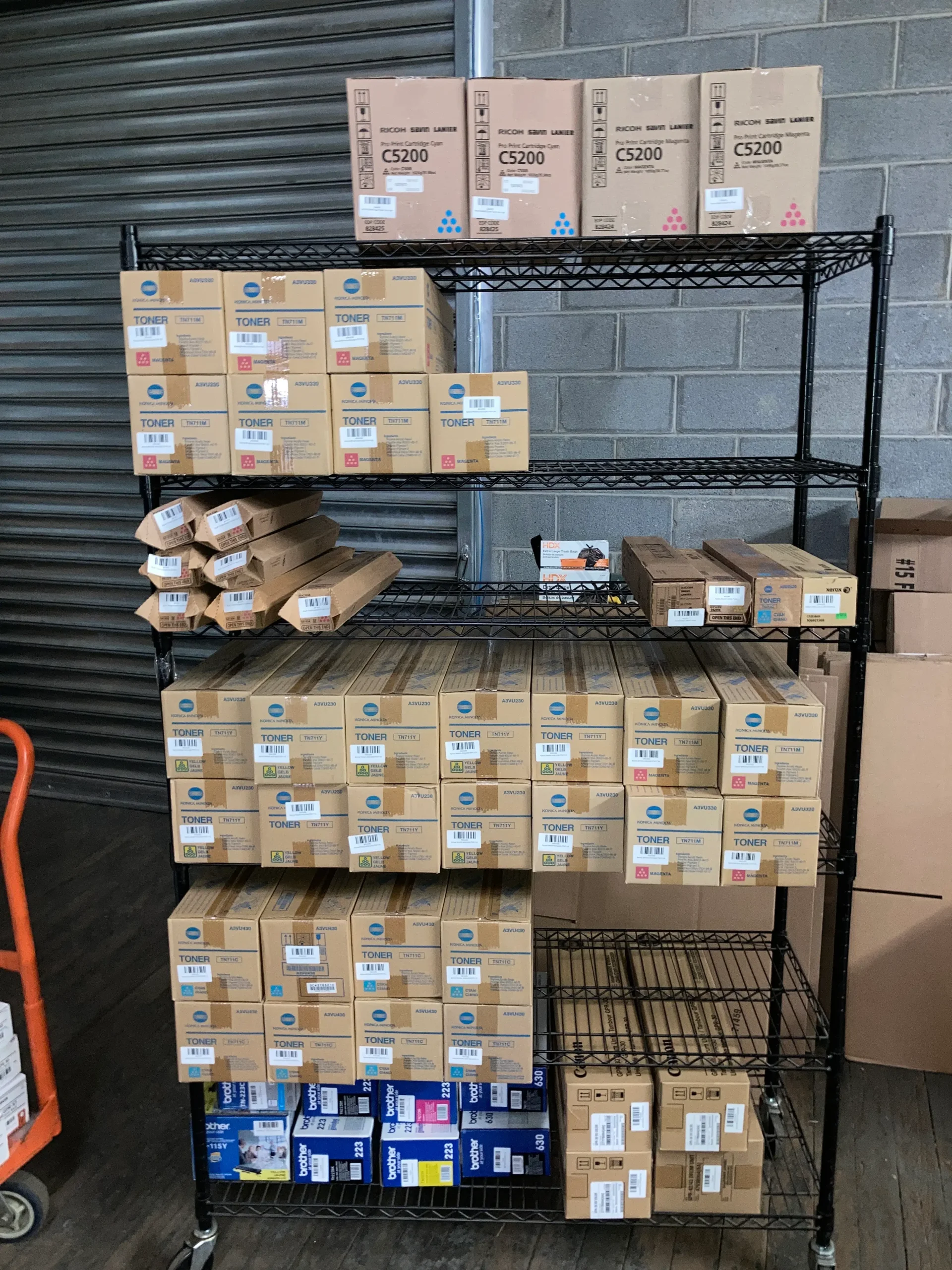
One of the most common toner storage mistakes is losing track of inventory.
Forgotten Toner Can Become Costly
Many offices discover unopened toner cartridges sitting untouched in storage rooms months or even years after purchase.
In fact, Toner Connect shared a TikTok video highlighting a common business problem: unused toner cartridges hidden away in a back office that employees completely forgot about.
TikTok Video click here.
The video serves as a reminder that forgotten toner inventory may still have value and could potentially be sold, reused, or properly managed before becoming obsolete.
Inventory Tracking Helps Reduce Waste
Businesses should:
- Label inventory clearly
- Rotate stock regularly
- Monitor toner quantities
- Conduct periodic supply audits
As a result, organized inventory management helps maximize cartridge value.
Businesses looking for toner inventory solutions can explore services from Toner Connect.
Avoid Storing Toner Near Windows or Heat Sources
Location matters when storing toner cartridges.
Keep Toner Away From:
- Direct sunlight
- Heating vents
- Radiators
- Hot storage rooms
Consistent Temperatures Improve Stability
Large temperature swings may affect:
- Toner density
- Cartridge alignment
- Internal seals
Because of this, stable environments help extend cartridge life.
Protect Toner Cartridges from Physical Damage
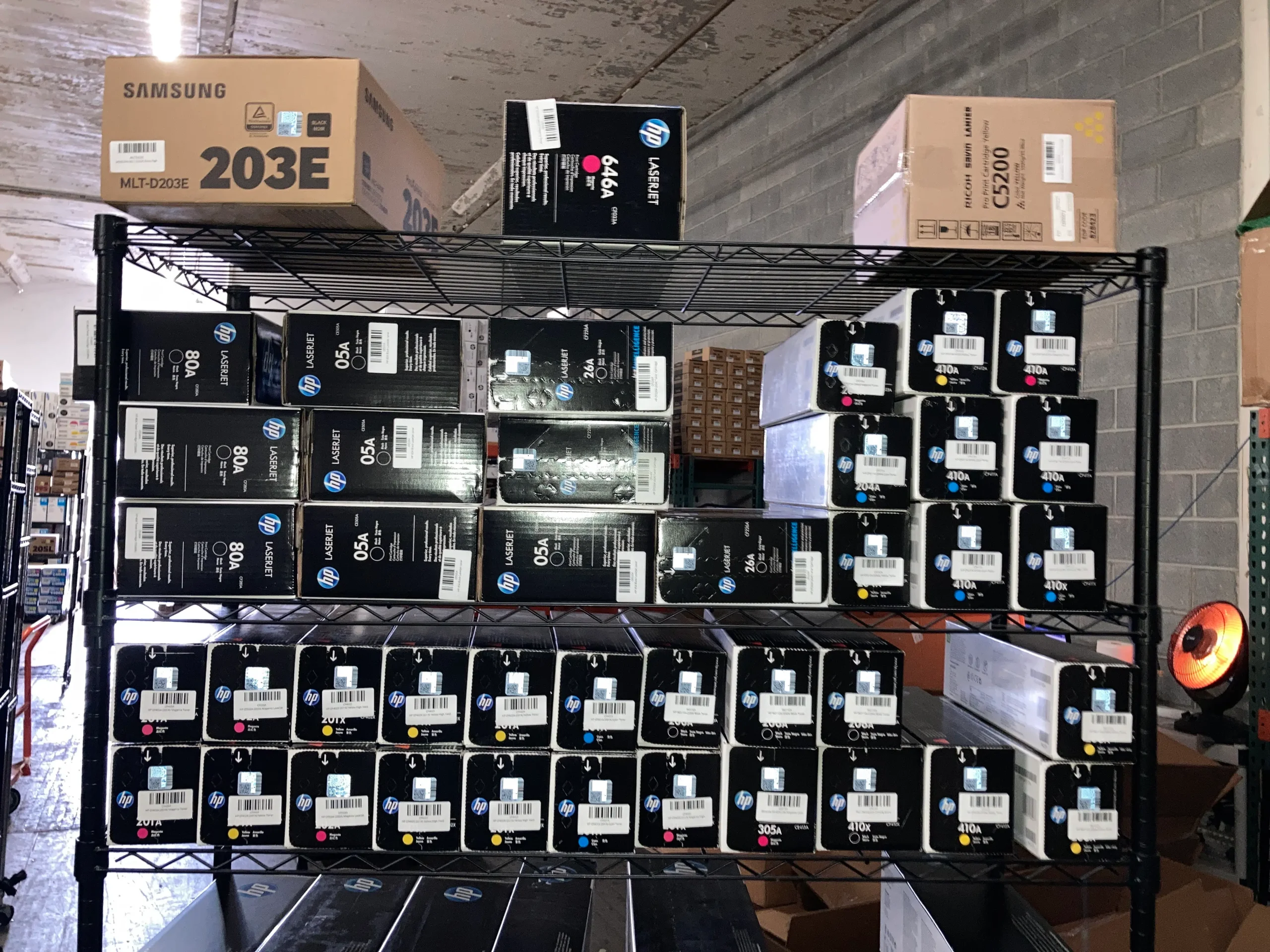
Physical handling can affect cartridge performance.
Avoid Dropping or Stacking Improperly
Physical impact may damage:
- Cartridge housing
- Internal gears
- Smart chips
- Drum components
Use Proper Shelving
Organized shelving helps:
- Prevent crushing
- Improve inventory visibility
- Reduce handling accidents
As a result, careful storage protects cartridge reliability.
Rotate Inventory Using First-In, First-Out (FIFO)
A simple inventory rotation strategy can prevent older cartridges from being forgotten.
FIFO Helps Manage Stock Efficiently
Older inventory should be used before newer inventory whenever possible.
Benefits of FIFO Include:
- Reduced waste
- Better inventory control
- Improved toner freshness
- Lower risk of obsolete stock
Because of this, FIFO remains a best practice for toner inventory management.
Monitor Large Toner Inventories Regularly
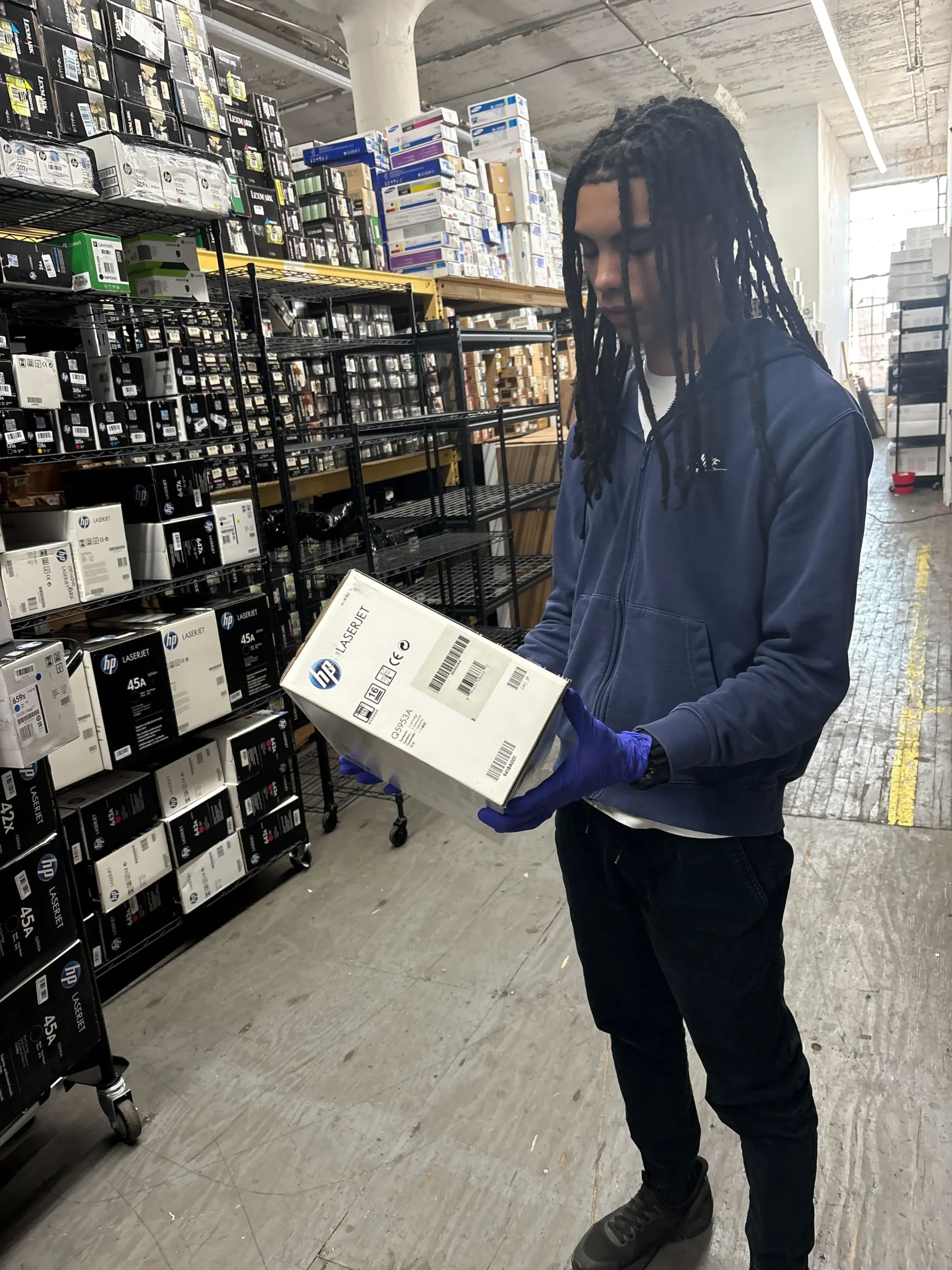
Businesses with multiple printers often store substantial toner inventory.
Regular Audits Help Identify:
- Excess stock
- Slow moving inventory
- Obsolete cartridges
- Unused toner assets
Unused Toner May Still Hold Value
Sealed OEM toner cartridges can often:
- Be resold
- Be recycled
- Be included in toner buyback programs
As a result, regular inventory reviews help recover value from unused supplies.
Proper Storage Improves Print Quality
Storage conditions directly affect how toner performs once installed.
Well Stored Toner Helps Produce:
- Sharp text
- Consistent graphics
- Cleaner prints
- Reliable page yield
Damaged Toner May Cause:
- Streaks
- Smudges
- Faded printing
- Toner leakage
Because of this, storage quality influences printing performance long before installation.
Sustainability Starts with Smarter Toner Management
Proper toner storage also supports sustainability goals.
Better Storage Reduces Waste
Businesses can:
- Avoid premature disposal
- Reduce replacement purchases
- Improve inventory efficiency
Smarter Inventory Management Supports Sustainability
Unused toner can often be:
- Reused
- Sold
- Recycled responsibly
As a result, proper storage supports both environmental and financial goals.
Modern Businesses Need Better Toner Inventory Practices
Today’s offices increasingly rely on:
- Inventory tracking systems
- Climate controlled storage
- Supply management software
- Sustainability initiatives
These practices help businesses reduce waste while maximizing toner cartridge lifespan and operational efficiency.
According to HP and Canon printing resources, proper storage remains one of the most effective ways to preserve toner cartridge performance and maintain consistent print quality.
Conclusion
Proper toner storage is one of the simplest ways to maximize cartridge life, maintain print quality, and protect valuable office inventory. By controlling temperature and humidity, keeping cartridges sealed, organizing inventory effectively, and monitoring unused supplies, businesses can reduce waste and improve long term printing efficiency. Even forgotten toner cartridges tucked away in storage may still hold significant value when managed correctly, making proper toner storage an essential part of any smart office printing strategy.