How to Sell Toner After Switching to Paperless Workflows

by James Cai

So, your company made the smart switch to a paperless workflow. It’s a great move for efficiency, the environment, and cutting down on clutter. But what about that supply closet, now filled with stacks of unused, factory-sealed toner and ink cartridges?

Don't just write them off as a loss. Those boxes are a hidden financial asset, and there’s a surprisingly strong market for them.

Think about it: while you’ve moved on from your old printers, countless other businesses haven't. They’re still actively looking for the exact OEM (Original Equipment Manufacturer) cartridges you have sitting on your shelves. Reputable toner buyback companies act as the middleman, making it simple to turn that dead stock into cash.

From Paper to Digital: A Smart Move with a Financial Bonus

The push toward digitization is happening everywhere. North America alone accounts for about 32% of all paperless system installations as businesses and government agencies modernize their operations. For example, some federal agencies have even slashed workflow processing times by up to 80% after going digital. It’s no wonder your old toner is now surplus.

This guide will walk you through the practical steps to successfully and safely sell your unused toner. To make sure the process is handled the same way every time, it helps to understand what a Standard Operating Procedure is, which can provide a solid framework for your team.

For a quick overview, here's how the process breaks down.

Quick Steps to Selling Your Surplus Toner

This table outlines the key stages you'll follow to turn your unused toner into cash after going paperless.

Stage Action Required Key Outcome
1. Inventory Document all unused OEM cartridges: model, brand, quantity, and box condition. A clear list of assets ready for quoting.
2. Qualification Check expiration dates and ensure all boxes are factory-sealed and undamaged. Confirmation that your cartridges are sellable.
3. Quoting Submit your inventory list to reputable buyback companies for a cash offer. A competitive, no-obligation quote for your surplus toner.
4. Shipping Carefully pack the cartridges and ship them using the buyer's instructions. Your items are sent securely to the buyer for final inspection.
5. Payment Receive payment via your chosen method after the buyer verifies the shipment. Cash in hand for your old office supplies.

Following these steps ensures a smooth transaction and maximizes your return.

Key Takeaway: Going paperless is a win for your business, but it doesn't mean your old supplies are a loss. By following a clear process, you can liquidate those assets, get an unexpected boost to your budget, and keep perfectly good products out of a landfill.

Creating a Detailed Toner Inventory

Before you can even think about selling that surplus toner, you need a crystal-clear picture of what you actually have. A vague "box of HP stuff" won't get you a good quote, but a detailed inventory is your golden ticket. It's the first real step in turning that cluttered supply closet into cash.

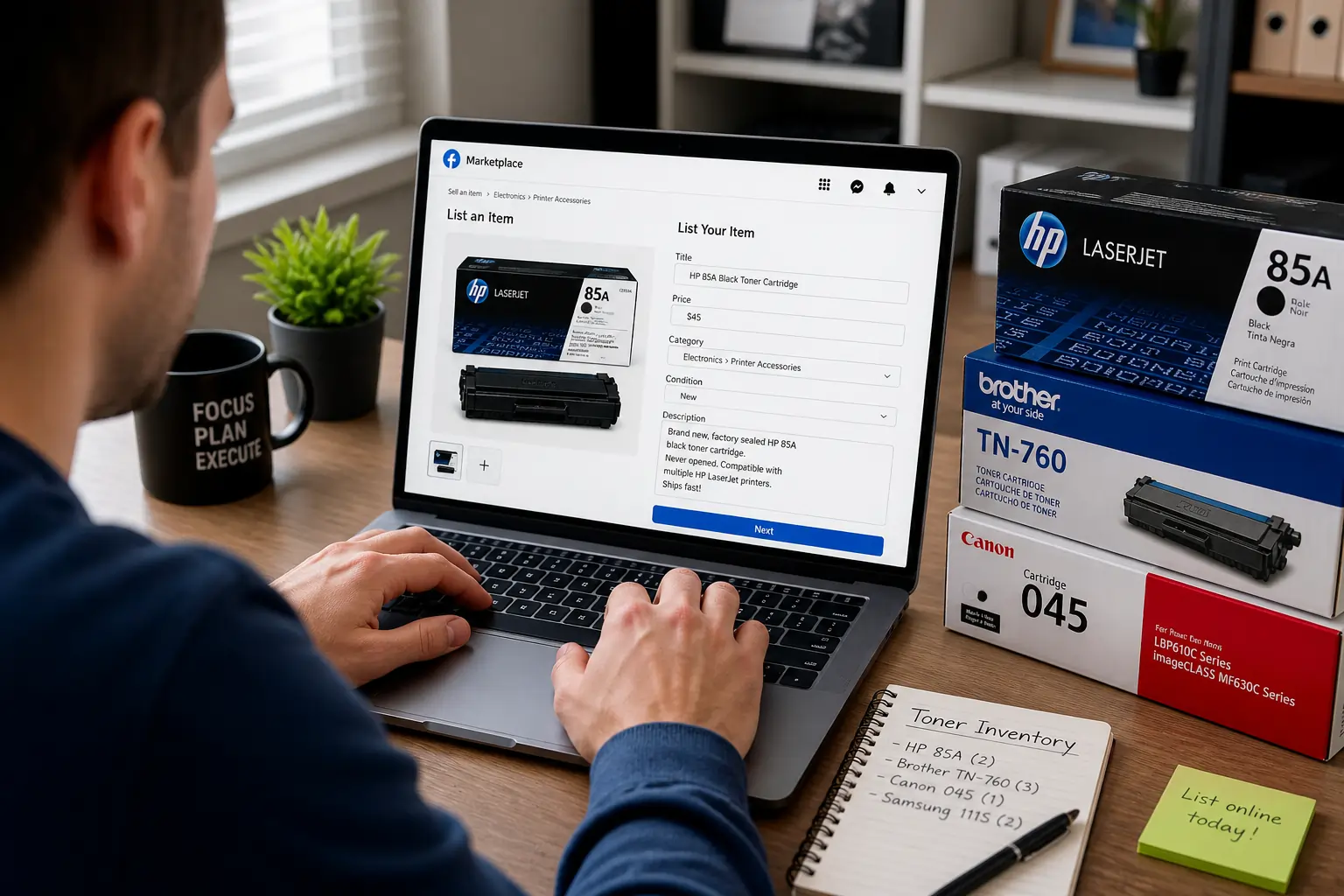
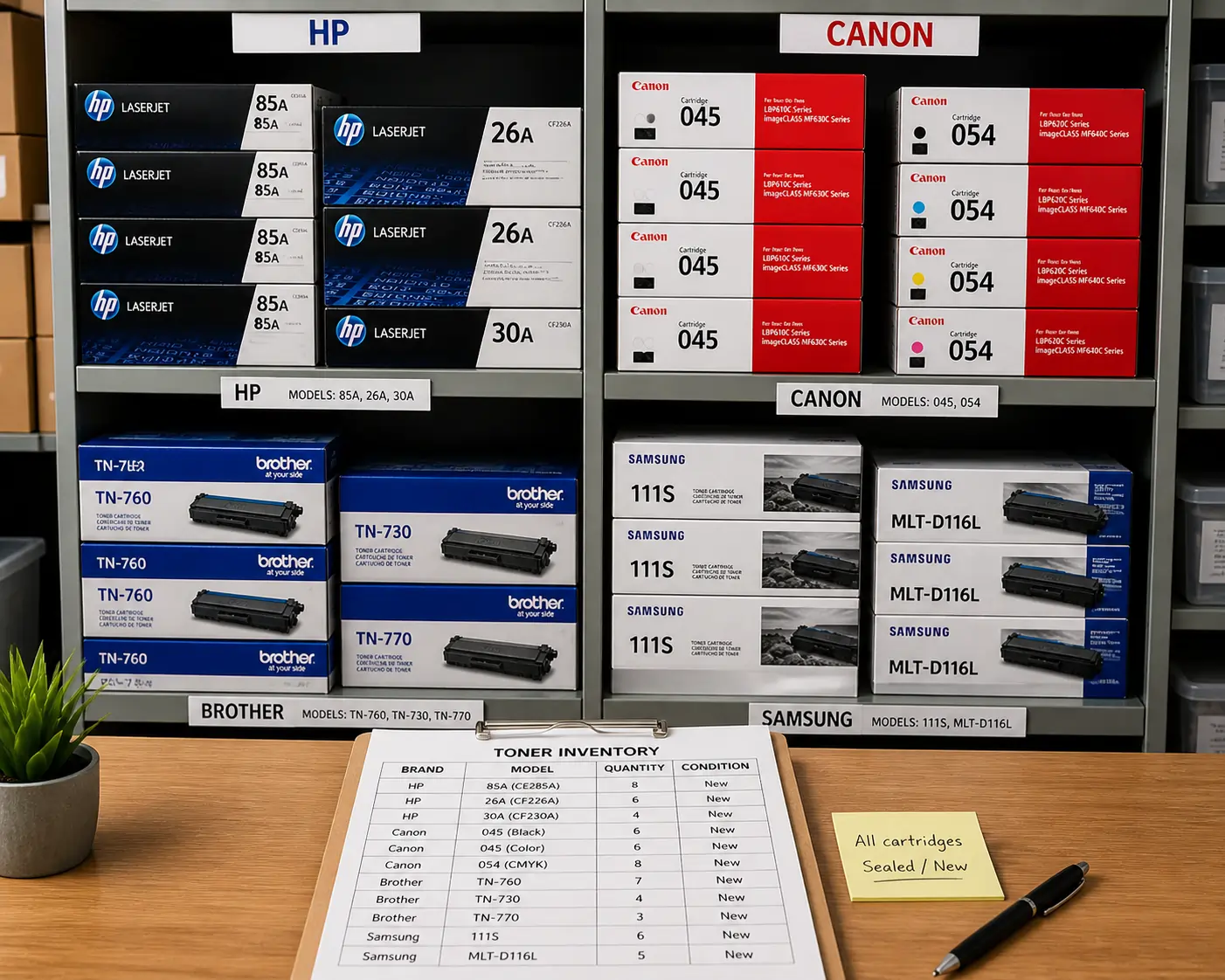
Your first move is a treasure hunt. Round up every last unused cartridge from every nook and cranny—supply closets, desk drawers, even that off-site storage unit you forgot about. Get everything in one place. Only then can you start documenting what you've found. The goal is to build a simple, clean list that tells a potential buyer everything they need to know at a single glance.

A laptop on a wooden desk displaying a toner inventory spreadsheet, next to a pen and a plant.

Identifying Your Cartridges Correctly

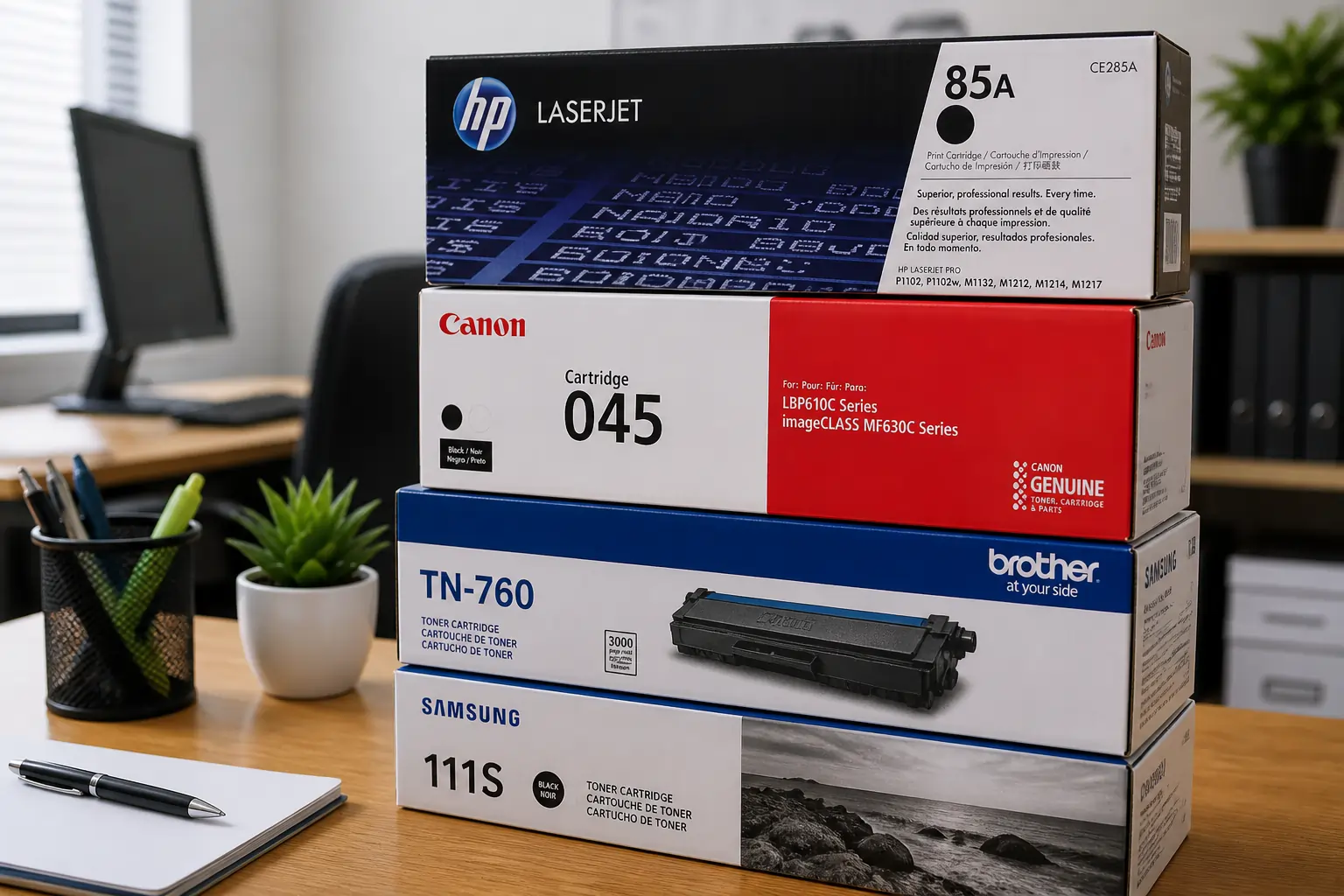
The single most important detail is the cartridge model number, not the printer model number. This is a common mix-up. For instance, your office might have an HP LaserJet Pro M404dn printer, but what a buyer needs to know is that it uses an HP 58A (CF258A) toner cartridge.

This number is almost always printed right on the front of the box. You're looking for alphanumeric codes that look something like this:

  • Brother TN-850
  • Canon 128
  • Dell C2660
  • HP Q5949A

Next, you have to sort out the OEM (Original Equipment Manufacturer) cartridges from the rest. OEM means the cartridge was made by the same company that made the printer (an HP toner for an HP printer). These are the ones with real value. Most buyback companies will only purchase OEM products because they know the quality is there. For example, a genuine Xerox cartridge is OEM; a "compatible with Xerox" cartridge from an unknown brand is not.

Building Your Inventory Spreadsheet

A basic spreadsheet is your best friend here. Fire up Excel or Google Sheets and create a document with a few key columns. This will help you capture all the details needed for a fast, accurate quote.

Brand Cartridge Model Number Quantity Box Condition (e.g., Mint, Minor Flaw) Expiration Date
HP CF283A 12 Mint 08/2026
Brother TN-760 5 Minor ding on corner 11/2025
Canon 137 8 Shipping label attached 01/2027

Honesty is crucial when filling this out. The box condition and expiration date directly affect how much a cartridge is worth. A well-documented list shows you're serious and helps buyers give you a solid offer without a lot of back-and-forth.

Pro Tip: If you're dealing with a mountain of toner, well-lit group photos can make the quoting process much faster. To see what buyers need to see, check out these instructions on how to submit images of your toner for a quick evaluation.

After you've cataloged everything, you might want to prevent this situation from happening again. Learning a few essential inventory management formulas in Excel can help you fine-tune your purchasing and avoid future overstock.

How to Grade Your Cartridges for Maximum Value

When you're ready to sell that stack of unused toner, the first thing a buyer will care about is the condition of the box. Not all cartridges are equal in their eyes, and the box's quality is the single biggest factor that dictates what they'll pay.

Think of it like selling a collectible. The closer it is to mint condition—factory-sealed, unopened, with a pristine box—the more cash you’ll get. We’re talking no dings, no rips, no writing, and definitely no old shipping labels slapped right on the packaging. Getting this right is probably the most important part of the whole process.

This is becoming even more crucial as more businesses make the jump to digital. The paperless office system market is expected to balloon from $15 billion in 2025 to almost $45 billion by 2033. That’s a lot of companies ditching their printers, which means more surplus toner hitting the market. For a buyer, a perfect box is what separates your inventory from the rest. You can read more about this market shift to see how it's impacting different industries.

Four new printer ink cartridges in a row, with colored labels and a 'Grade Quality' label.

Differentiating Between Perfect and Flawed Boxes

Even a small imperfection can knock down the price. A little tear from peeling off a label or a corner that got crushed in the supply closet might not seem like a big deal to you, but it matters to the person who eventually buys it.

Because of this, buyers use a simple grading system. Here’s how it usually breaks down:

  • Grade A (Mint): The box is perfect. It looks like it was just pulled off a retail shelf, with sharp corners and no fading. These get you the top-dollar offers.
  • Grade B (Minor Flaws): It’s still factory-sealed, but the box has some cosmetic dings. Maybe a slightly crushed corner, a small tear, some fading from sitting near a window, or marks from a removed label. They're still sellable, just for less.
  • Grade C (Damaged/Opened): The box is in rough shape—big tears, water damage, or maybe the seal has been broken. In almost every case, buyback companies won’t touch these.

Here’s a practical example: Let's say you have two identical HP 58A toner cartridges. One box is flawless (Grade A). The other has a big, ugly shipping label plastered on it and a dented corner (Grade B). A buyer might offer you $80 for the Grade A box but only $60 for the Grade B one. That’s a 25% hit just for cosmetic issues.

The Role of OEM and Expiration Dates

Remember, buyers are almost exclusively looking for OEM (Original Equipment Manufacturer) cartridges. These are the ones made by the printer brand itself—think HP, Canon, Brother, and so on.

Four new printer ink cartridges in a row, with colored labels and a 'Grade Quality' label.

This distinction is non-negotiable for most buyback programs. OEM products come with a guarantee of quality and compatibility, which makes them easy to resell.

Finally, don’t forget to check the expiration dates printed on the box. Toner cartridges that are just recently expired might still have some value, but if they're more than a year past their date, they're likely worthless. For instance, a cartridge that expired last month might retain 50% of its value, while one that expired two years ago has no value. The rules for inkjet cartridges are much stricter; buyers usually want at least a full year of shelf life left.

Finding the Right Partner to Buy Your Toner

Alright, you've got your inventory list. Now for the crucial part: finding a company to turn that stack of boxes into a check for your business. There are plenty of toner buyback programs out there, but they aren't all created equal. Picking the right one is the difference between a smooth, profitable process and a frustrating waste of time.

Think of it like vetting any other vendor. You're looking for a professional, transparent partner who makes the process easy for you. A good company won't pressure you and will be upfront about everything from pricing to shipping.

What a Good Buyback Company Looks Like

As you start Googling, you'll see a lot of options. How do you separate the pros from the amateurs? Here are the green flags I always tell people to look for.

  • A Solid Online Reputation: Check out their reviews on Google or their rating with the Better Business Bureau (BBB). You're looking for a consistently high rating and plenty of recent, positive feedback from other businesses.
  • They're Easy to Reach: A legitimate operation will have a professional website with a clear phone number and a physical business address you can look up on a map. They should get back to your quote request within a day or so.
  • The Offer is Clear: Your quote should be straightforward and itemized based on the list you sent. There shouldn't be any confusing terms or surprise "fees" that whittle down your payout.
  • They Pay for Shipping: This is non-negotiable. Reputable buyers always cover the shipping costs. They’ll send you prepaid, insured labels from a major carrier like UPS or FedEx, so the process is completely risk-free on your end.

Here’s a practical example: You send your inventory to three companies. Company A shoots back a vague, low offer and doesn't mention shipping. Company B has a slightly better price but no online reviews and a generic Gmail address. Company C sends a detailed, itemized quote, explains their shipping process clearly, and has a 4.9-star rating on Google from over 1,000 happy customers. It's a no-brainer—Company C is the professional you want to work with.

Red Flags That Scream "Stay Away"

Just as important as knowing what to look for is knowing what to avoid. You need to protect your company's assets, and that means spotting the warning signs of a shady operator.

I'd recommend walking away from any buyer who:

  • Pushes You for a Quick Decision: High-pressure sales tactics are a huge red flag. For instance, if a buyer says their offer is "only good for the next hour," that's a sign to be cautious.
  • Is a Ghost Online: Can't find a physical address for their warehouse? That's a problem. A real business has a real location where they handle shipments.
  • Gets Vague About Payment: You should know exactly how and when you’ll get paid before anything leaves your office. If they give you a fuzzy answer like "you'll get paid after we check everything," ask for a firm timeline.
  • Makes an Offer That's Too Good to Be True: Be skeptical of wildy high offers. This is often a classic bait-and-switch. They'll get your toner, then claim it was "damaged" during shipping and slash the price, leaving you with little recourse.

Taking a few minutes to properly vet your options will pay off. You’ll find a reliable partner who makes the whole experience simple and gets you the best possible return for those surplus supplies.

Packing, Shipping, and Getting Paid

You've got a great offer in hand for your old toner—now it's time to bring it home. The final leg of the journey—packing, shipping, and securing your payment—is where a little bit of care makes a huge difference. Let's be honest, a poorly packed box can quickly turn your valuable cartridges into worthless plastic, putting your payout at risk.

Think of proper packing as your insurance policy. The entire goal is to make sure every cartridge arrives at the buyer’s warehouse looking exactly like it did when it left your office. I've seen it happen too many times: people rush this step and end up losing money on what should have been a simple transaction.

A person securely packing a cardboard box with white packing peanuts, preparing for shipment.

How to Pack Your Toner Like a Pro

First things first: find a sturdy, corrugated cardboard box. You want one that’s just a bit larger than the toner boxes themselves. Never, ever ship toner cartridges in their original packaging alone. Those retail boxes are designed for a shelf, not the back of a delivery truck, and they will get crushed.

Start by lining the bottom of your shipping box with a good 2-3 inches of cushioning. Bubble wrap is fantastic, but packing peanuts or even tightly crumpled paper will do the trick. Place your toner boxes inside, making sure there's a little space between each one and between the cartridges and the box walls.

Now, fill every single gap with more packing material. You want those cartridges snug and immobilized.

The Shake Test: Before you tape it up, give the box a gentle shake. If you hear or feel anything shifting around inside, it’s not ready. Open it back up and add more packing material until everything is locked firmly in place.

Once you’re confident it’s secure, seal the box with high-quality packing tape. Your buyback company will send you a prepaid shipping label—make sure you attach it to the outer shipping box, never directly on the product packaging.

To make it even clearer, here’s a quick reference guide to ensure your toner arrives safely.

Packing Do's and Don'ts for Shipping Toner

Do This Don't Do This
Use a strong, corrugated outer box that's slightly larger than your items. Ship cartridges in their original product boxes without a protective outer box.
Line the box with at least 2 inches of cushioning (bubble wrap, peanuts). Let items touch each other or the walls of the box.
Fill all empty space so nothing can move or shift during transit. Leave any gaps or empty space inside the box.
Perform the "shake test" to ensure the contents are completely secure. Forget to check for movement before sealing the box.
Affix the prepaid shipping label to the outside of the shipping box. Stick shipping labels or tape directly onto the OEM toner boxes.

Following these simple rules is the best way to protect your investment and guarantee a smooth, successful sale.

From Your Door to Your Bank Account

Any reputable buyback company will make the shipping process completely painless. They should email you prepaid and insured shipping labels, usually from carriers like UPS or FedEx. This means the entire transaction costs you nothing and is risk-free. You can learn more about how professional buyers handle shipping to protect both parties.

Once your box arrives at their facility, their receiving team will inspect the contents. They're just verifying that the items match your inventory list and that the condition is what you described. This inspection is usually quick, typically taking just one or two business days.

As soon as the inspection is complete, payment is sent out. You should have a few options to choose from:

  • Company Check: The classic paper check mailed to your business.
  • PayPal: A quick and easy digital payment to your PayPal account.
  • ACH Direct Deposit: A direct electronic transfer into your company's bank account.

Finally, for your own records, hang on to a copy of your inventory list, the buyer’s quote, and the final payment confirmation. This creates a clean paper trail for your accounting team and officially closes the loop on turning that old toner into fresh cash.

What About the Cartridges You Can’t Sell?

Let's be realistic: not every cartridge in your supply closet is going to be a goldmine. You're bound to find some that are just unsellable. Maybe it’s a box that’s been opened, a cartridge that got damaged in a move, or a model that’s just too old to have any market value.

The good news is you don’t have to toss them in the dumpster. That would completely defeat the purpose of your sustainability goals. Keeping these out of a landfill is the final, crucial step.

It’s a bigger issue than most people realize. Even with all the talk about going paperless, one recent survey revealed that 61% of some business workflows are still tied to paper. The shift isn't happening overnight. You can dive deeper into the survey findings on intelligent document processing to see why this is still so common.

Smart, Eco-Friendly Disposal Options

For the toner and ink that can’t be sold, you’ve got some excellent, responsible choices. This is all about closing the loop and making sure nothing goes to waste.

  • Go Straight to the Source (Manufacturer Programs): The big names like HP, Canon, and Brother all have fantastic mail-in recycling programs. For example, HP's Planet Partners program lets you request a free shipping box or print a label to send back multiple cartridges at once.

  • Find a Certified E-Waste Pro: Look for a local e-waste recycler with an R2 or e-Stewards certification. These certifications are a big deal—they mean the facility adheres to the highest environmental and safety standards when breaking down and recycling electronic components.

  • Drop-Off at a Retailer: Many big office supply stores, like Staples and Office Depot, have become convenient drop-off points. They typically have collection bins right inside the store where you can leave your used cartridges. Easy peasy.

Have Questions? We Have Answers.

If this is your first time selling off old printer supplies, you probably have a few questions. That's completely normal. Getting a handle on the process beforehand will make everything go much smoother, helping you turn that dusty cabinet of toner into a nice surprise for your budget.

Let's start with the most common one we hear: "Is it even legal to sell our unused toner cartridges?" The answer is a resounding yes. Thanks to something called the first-sale doctrine in U.S. law, you have every right to resell products you've legally bought and own. Reputable buyback companies like ours are simply a part of a healthy secondary market, connecting your surplus with businesses that still need those specific OEM supplies.

What's My Toner Actually Worth?

This is usually the next question on everyone's mind. The honest answer is: it depends. The value of a cartridge is a moving target based on a few key factors:

  • Model Demand: Is it for a popular, widely-used printer or an older, more obscure one?
  • Box Condition: A pristine, factory-sealed box will always command the highest price.
  • Expiration Date: Fresher cartridges have more value.

A brand-new OEM cartridge for a popular laser printer, like an HP 414X, could be worth over $100. An older model, or one with a dinged-up box, will naturally fetch a lower price. The only way to know for sure is to send over your inventory list for a custom quote.

This brings us to another important point: why the focus on OEM cartridges? It all comes down to trust and quality. Original Equipment Manufacturer (OEM) products are made by the printer brand itself, guaranteeing performance. This reliability gives them a strong resale value. On the other hand, compatible or remanufactured cartridges just don't have that same quality assurance, which is why buyback programs almost never accept them.

For a deeper dive, you can always check out a detailed toner buyback FAQ that covers everything else you might be wondering about.


Ready to find out what's hiding in your supply closet? At Toner Connect LLC, we've made the process of selling your surplus OEM toner and ink incredibly straightforward. Get your fast, no-obligation quote and see just how easy it is to get paid for those unused cartridges. Request your free quote now!

Leave a Reply

Your email address will not be published. Required fields are marked *

Skip to toolbar