toner connect logo
    • HomeHome
    • AboutAbout
    • FAQFAQ
    • Buy From Us
      For Drop ShippersFor DistributorsFor Dealers/ResellersFor Drop ShippersFor DistributorsFor Dealers/Resellers
    • BlogBlog
    • Contact UsContact Us
    • Sign InSign In
    Blog/How to Recycle Printer Cartridges for Cash and Compliance
    Most recent

    How to Recycle Printer Cartridges for Cash and Compliance

    December 28, 2025
    James Cai
    23 min read
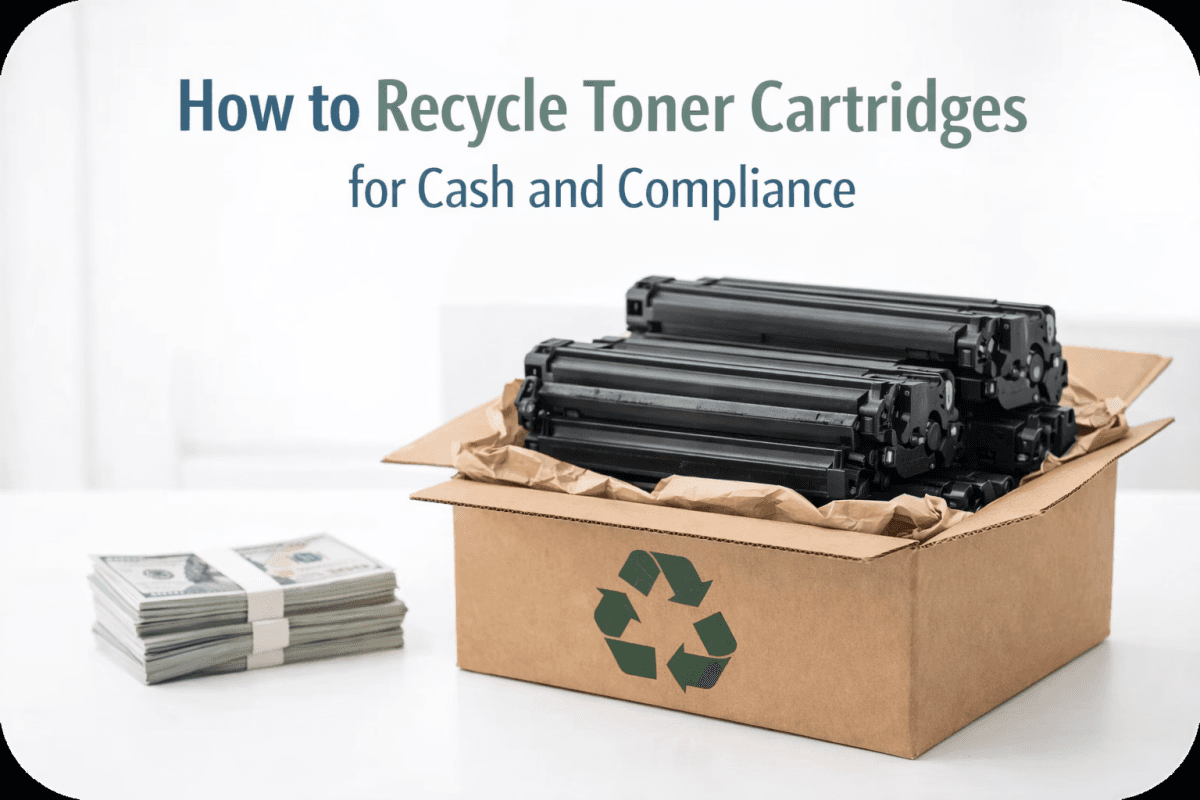
    How to Recycle Printer Cartridges for Cash and Compliance

    So, you’re staring at that closet again. The one overflowing with printer cartridges. It’s a common sight in almost any office—a jumble of used empties and brand-new boxes that have been sitting there since that old printer was replaced.

    For most office managers and IT pros, this is just a headache. But I see it differently. That pile of cartridges isn’t just clutter; it’s an untapped opportunity, a hidden asset waiting to be claimed. You have a choice: you can dispose of them responsibly, or you can actually get paid for them. This guide will walk you through exactly how to turn that inventory into a win for both your company’s budget and its environmental goals.

    A white bookshelf with organized brown boxes and black bins next to a wall with "clutter to CASH" text.

    Why This Matters More Than You Think

    Let’s be real about the environmental cost. Tossing cartridges in the trash is a massive problem. Globally, over 350 million of them end up in landfills every year. In the U.S. alone, that number skyrockets to more than 375 million units annually.

    Each of those cartridges is a bundle of plastic and metal—about 2 pounds worth—that can sit in the ground for up to 1,000 years before it even starts to break down. For example, a single HP 85A toner cartridge weighs about 1.7 pounds; sending just a dozen to a landfill adds over 20 pounds of non-biodegradable waste. It’s a staggering amount of preventable waste. If you’re curious about the nitty-gritty details, there’s a great breakdown on the environmental benefits of proper cartridge handling on cloverimaging.com.

    Used vs. New: Choosing Your Path

    The first thing to understand is that not all cartridges are created equal. Your stash likely has two very different types of inventory, and each one needs its own game plan.

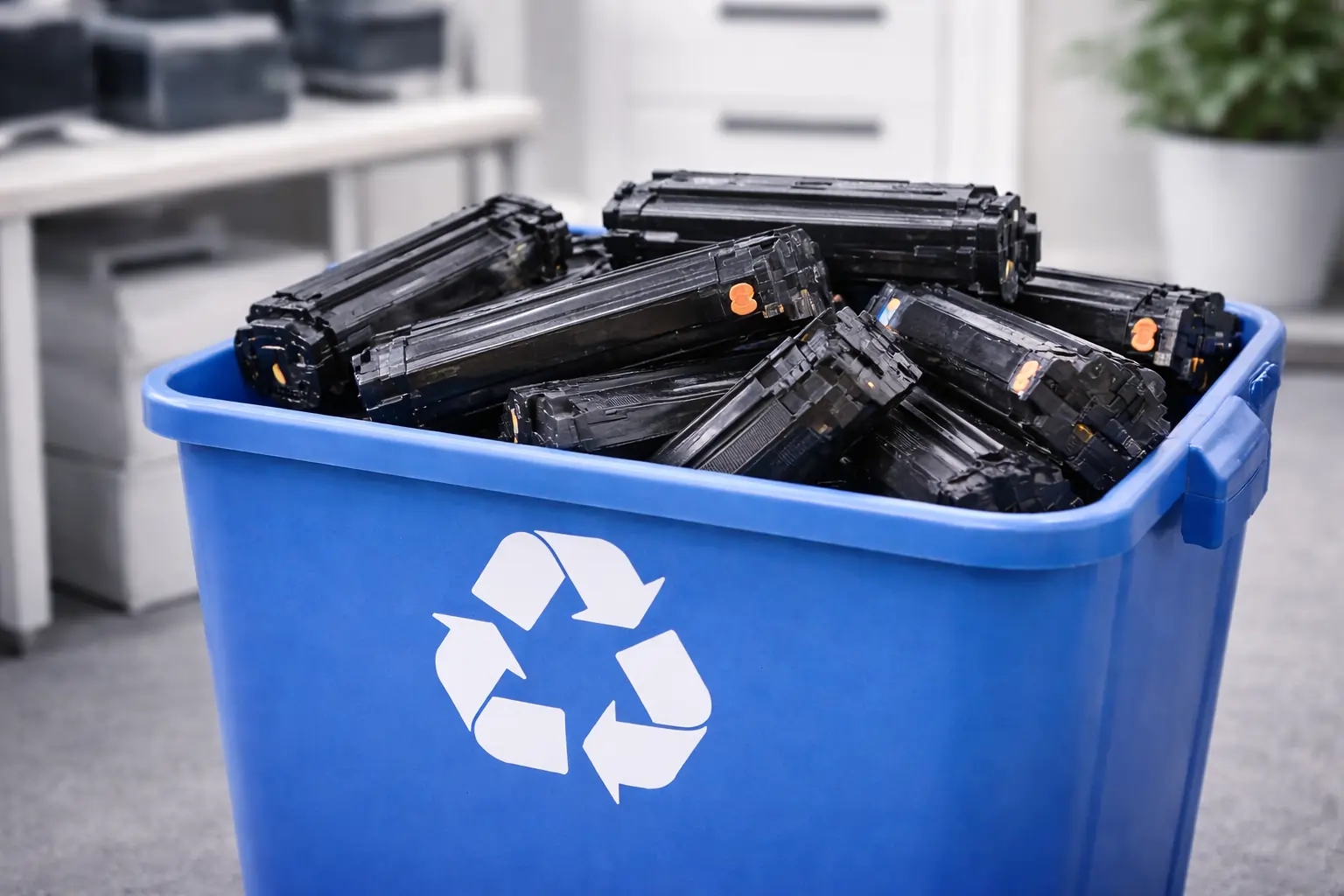
    • Used Cartridges: These are the empties you pull out of the printer. They’ve served their purpose, and while they don’t have any resale value, they are perfect candidates for recycling programs that keep them out of the landfill.
    • New, Unopened Cartridges: This is where the money is. Maybe you upgraded your printers and the old OEM cartridges no longer fit. Or perhaps someone just over-ordered. These factory-sealed items are valuable, and buyback companies will pay you cash for them.

    Here’s a perfect example: An accounting firm I know just switched from their old Lexmark fleet to a new managed print service with HP. They were left with about two dozen brand-new, genuine Lexmark toner cartridges. Instead of letting them collect dust, they sold them to a buyback program and got a check for over $1,200. That money went straight back into their office tech budget.

    This simple distinction—used versus new—is the key to your whole strategy. To make it even clearer, here’s a quick comparison to help you decide the best route for your own inventory.

    Recycling vs Monetizing Your Printer Cartridges

    Attribute Traditional Recycling (Used Cartridges) Buyback Programs (New/Unopened Cartridges)
    Best For Empty, used OEM cartridges that have been opened and depleted through normal use. Brand-new, factory-sealed OEM cartridges that are no longer needed.
    Primary Goal Environmental responsibility and waste reduction. Recovering cash from surplus or obsolete office supplies.
    Outcome Cartridges are remanufactured or broken down into raw materials. You receive no payment. You receive a direct payment via check, Zelle, or PayPal for your valuable inventory.

    By sorting your cartridges this way from the start, you can create a simple, effective system. Used cartridges go into the recycling bin, and new, surplus cartridges get turned into cash.

    By the time you’re done with this guide, you’ll have a clear plan to stop seeing cartridges as clutter and start viewing them for what they really are: a valuable part of your business operations.

    So, you’ve got a closet full of printer cartridges. Before you can figure out the best way to get rid of them—and maybe even make some money—you need to know exactly what you’re dealing with. That cluttered supply room is a mix of potential cash and recyclable materials, but without a proper audit, it’s just dead space.

    Think of it less as a chore and more as a treasure hunt. The first step is to round everything up. Go on a mission and pull all those loose cartridges from desk drawers, random shelves, and forgotten corners of the office. Once you have a complete pile, it’s time to sort it into three distinct groups. This simple separation is the foundation of any smart recycling or monetization plan.

    The Three Piles You Need to Make

    Sorting your inventory is easily the most important part of this whole process. Each category has a completely different destination, so getting this right from the start is crucial. You’ll be dividing your stock into New OEM, Used OEM, and Third-Party/Incompatible.

    Let’s dig into what defines each pile.

    • New OEM Cartridges (The Money Pile): This is where you’ll find your most valuable items. An OEM (Original Equipment Manufacturer) cartridge is made by the same brand that made your printer—think HP, Canon, or Brother. For a cartridge to count as “new,” its box must be factory-sealed and in pretty good shape. For instance, a brand new Brother TN760 toner in its unopened box is a perfect candidate. This is the stuff that buyback programs like Toner Connect will actually pay you for.
    • Used OEM Cartridges (The Recycling Pile): These are all the empty cartridges you’ve pulled out of your printers. They’re still genuine OEM products, but they’re spent. A used HP 952XL ink cartridge you just took out of the office printer belongs here. While they won’t get you any cash from a buyback service, they are perfect candidates for manufacturer take-back programs or the drop-off bins you see at office supply stores.
    • Third-Party & Damaged Cartridges (The Complicated Pile): Everything else goes here. This pile will include “compatible” or “remanufactured” cartridges from other companies, plus any genuine OEM boxes that have been opened, are badly damaged, or have writing all over them. For example, a generic cartridge from “Ink4Less” or an OEM box with a big coffee stain on it would go in this pile. These typically have no resale value and can be trickier to recycle, since many programs only want authentic OEM products.

    How to Spot a Genuine OEM Product

    Telling the difference between a valuable OEM cartridge and a generic compatible one is usually easier than you’d think. The big brands want you to know you’re getting the real deal.

    For example, a genuine HP toner box almost always has a blue and white holographic security seal on the pull tab. If you tilt the box back and forth, you should see the “OK” and “✓” symbols move in opposite directions. A generic or compatible cartridge, on the other hand, will just come in a plain box without any of those official security features. It’s the same story for Epson or Canon ink—the authentic boxes have a certain look and feel, with high-quality printing and logos that third-party brands just can’t match.

    I can’t tell you how many times an office manager has shown me a stack of what they thought were valuable toner cartridges, only for us to discover they were third-party compatibles bought to save a few bucks. Unfortunately, those compatibles have zero buyback value, which is why identifying your OEM products first is so important.

    Checking for Flaws That Kill Value

    Once you’ve separated your new OEM cartridges, the final step is a quick condition check. A buyback company is looking at each cartridge based on its “resalable” condition, and tiny details can make a huge difference in your payout.

    Grab each new OEM box and give it a once-over for these things:

    • Box Condition: Look for dents, crushed corners, tears, or any other serious cosmetic damage. A box in mint condition will always get you the best price.
    • Factory Seals: Make sure all the original seals and pull-tabs are still intact and haven’t been messed with. An opened box has no resale value, even if the cartridge inside is brand new.
    • Expiration Dates (For Ink): This one is critical for inkjet cartridges. Most buyback programs need at least a year of shelf life left before the expiration date printed on the box. For example, if today is October 2024, a cartridge expiring in September 2025 is worthless for buyback, but one expiring in November 2025 is valuable. Toner cartridges don’t really expire, but their value can drop if the model is ancient.

    By taking the time to meticulously sort and inspect your inventory, you turn that chaotic pile into an organized asset list. You’ll have one stack of valuable, sellable cartridges and another ready for responsible recycling, which sets you up perfectly for what comes next.

    Choosing the Right Home for Your Cartridges

    Alright, you’ve taken inventory and sorted your cartridges into neat piles. Now for the satisfying part: finding the right place for everything. This is where all that initial legwork pays off, because you can now match your different types of cartridges to the best recycling or buyback channel.

    Getting this step right is the key to maximizing your cash return while making sure the used stuff is handled responsibly. The path you take really boils down to the cartridge’s condition. For your used empties, the goal is simple, eco-friendly disposal. For your brand-new, unopened cartridges, the goal is turning that dead stock into cash.

    This decision tree gives you a quick visual guide for the sorting process, helping you figure out the best destination for each cartridge you have.

    Flowchart illustrating a cartridge sorting decision tree for new, used, reusable, and recyclable items.

    As you can see, the game plan is to separate your inventory into two distinct streams: valuable, new OEM products that can be sold to buyback programs, and used cartridges that are destined for traditional recycling.

    What to Do With Your Used and Empty Cartridges

    For that pile of used OEM cartridges, your main focus is responsible disposal. These items don’t have any resale value, but they are incredibly recyclable. The good news is you have a few easy, no-cost options.

    • Manufacturer Take-Back Programs: Just about every major printer brand runs a free mail-in recycling program. HP’s Planet Partners is a perfect example. You can go right to their website, print a prepaid shipping label, box up your empty HP cartridges, and send them back. It’s a great way to ensure they go directly to the source for proper recycling.
    • Retail Drop-Off Bins: For sheer convenience, you can’t beat the drop-off bins you see at major office supply stores like Office Depot or Staples. Just gather your empties and toss them in the designated bin next time you’re picking up supplies. These retailers have partnerships with certified recyclers who handle everything from there.

    Both of these routes make it incredibly simple to do the right thing and keep a whole lot of plastic and metal out of the landfill.

    How to Monetize New and Unopened Cartridges

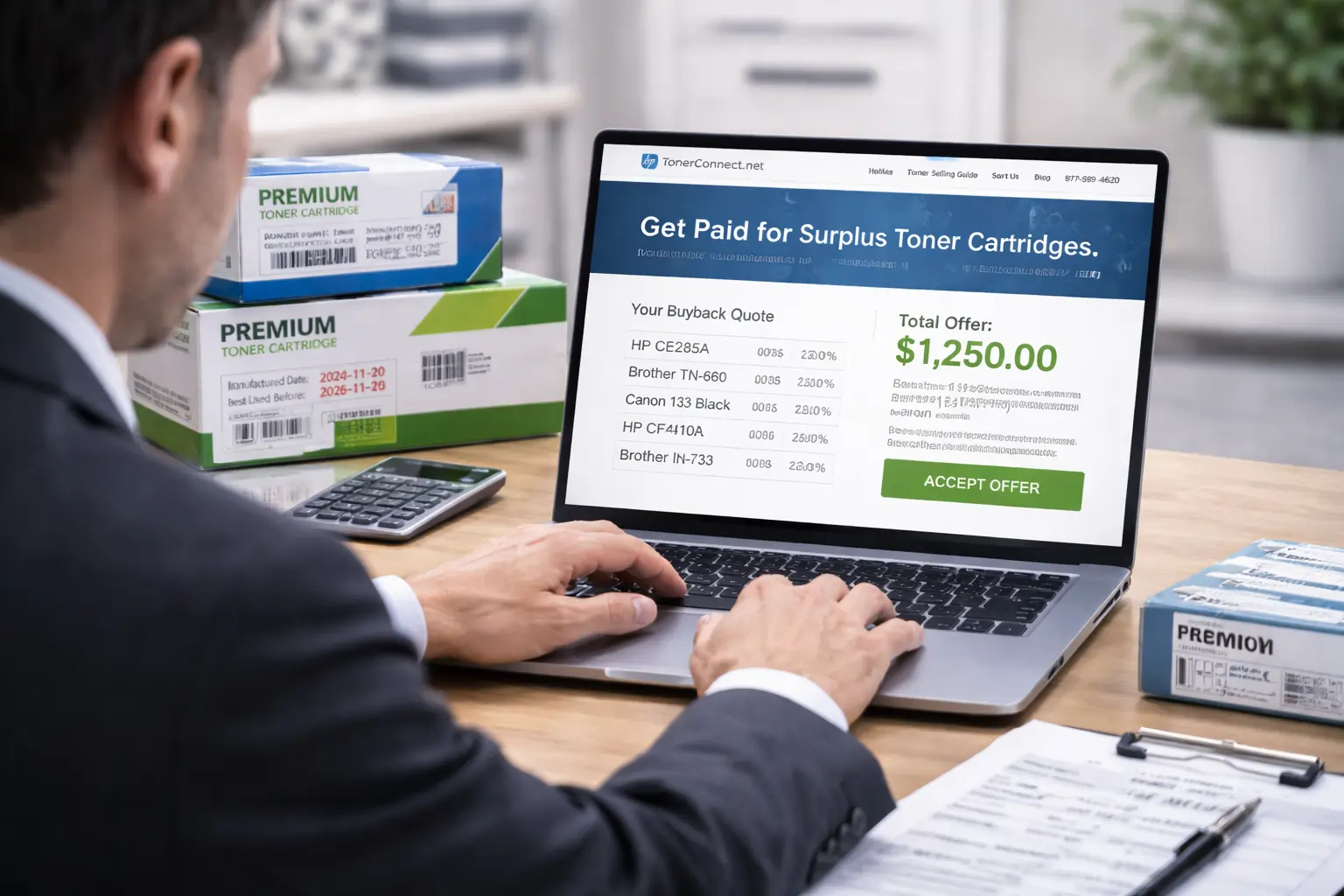
    Now we get to the good stuff—unlocking the cash value hidden in your supply closet. Those new, factory-sealed OEM cartridges are a valuable commodity, and there are specialized toner buyback companies that will pay you good money for them. This is, by far, the most profitable way to deal with surplus inventory.

    A great real-world example of this is a company like Toner Connect. Their whole business is built around making it dead simple for businesses to sell their extra supplies. The process is incredibly straightforward:

    1. Snap a few pictures of the cartridges you want to sell. For instance, lay five boxes of Canon 137 toner on a desk and take a clear photo with your phone.
    2. Submit the photos through their website for a quick, no-obligation quote.
    3. If you like the offer, they email you a prepaid, insured shipping label.
    4. Pack up the cartridges, slap on the label, and hand the box to the carrier.
    5. You get paid once they receive and inspect your shipment.

    This kind of service is perfect whether you have a couple of extra cartridges left after a printer upgrade or a whole storeroom to clear out after a merger. It’s a direct line from clutter to cash.

    The environmental cost of not recycling is pretty staggering. It’s estimated that 70% of all printer cartridges end up in landfills, with the U.S. alone throwing out 375 million every year. Each one can take up to 1,000 years to break down. Choosing to recycle or sell them for reuse completely flips that script.

    Vetting a Buyback Program

    When you’re choosing a buyback service, there are a few tell-tale signs of a trustworthy partner. Any reputable company will be completely transparent about their process and exactly what they do and don’t accept.

    Before you send anything off, it’s always a good idea to review their policies. For instance, you’ll want to understand their payment options and what kind of shipping insurance they provide. You can typically find this by checking out the company’s terms and conditions for cartridge buybacks. A quick read-through ensures there are no surprises down the road.

    Look for clear communication, solid customer reviews, and a simple, risk-free process. A good partner will always provide free shipping and insurance, which protects you in case the package gets damaged in transit. By picking a reliable buyback service, you’re setting yourself up for a smooth transaction from quote to payment.

    Packing and Shipping Your Cartridges for a Secure Payout

    You’ve sorted your inventory and have a quote in hand—now for the final, crucial step: getting your cartridges safely to the buyback company. This isn’t just about sticking on a label and hoping for the best. How you pack and ship your cartridges directly impacts your payout, and a little extra care here goes a long way.

    A common mistake I see people make is shipping cartridges in their original manufacturer’s box. It seems logical, but it’s a surefire way to lose money. Those thin, glossy boxes are designed to look good on a retail shelf, not to survive the gauntlet of a modern shipping network. They get crushed, torn, and dented, and a damaged box means a reduced payout—or no payout at all.

    Hands packing a printer cartridge wrapped in bubble wrap into a cardboard box with a 'Pack Securely' sign.

    How to Build a Bulletproof Shipment

    Your number one goal is to make sure every single cartridge arrives in the exact same condition it left your office. That starts with a sturdy, corrugated cardboard box for shipping—never the product box itself.

    Once you have a solid outer box, it’s all about cushioning. Each cartridge needs its own protective layer to keep it from rattling around. Think of it this way: if you’re shipping a new HP toner cartridge, wrapping it in a layer of bubble wrap before placing it in the box creates a buffer against bumps and drops.

    Investing in appropriate packing materials is a small price to pay to protect your assets. It’s non-negotiable.

    Here’s a quick checklist I use to get it right every time:

    • Pick a Strong Outer Box: Find a new or like-new corrugated box that gives you a little extra room around the items. A 12x12x12 inch box from a local hardware store is perfect for a small batch of ink cartridges.
    • Wrap Every Cartridge: Use bubble wrap or packing paper for each individual cartridge box. No exceptions.
    • Eliminate Empty Space: This is key. Fill every gap with crumpled paper, air pillows, or more bubble wrap. When you’re done, give the box a gentle shake. If you hear anything moving, you need more packing material.
    • Seal It Tight: Use good quality packing tape on all the seams, top and bottom. Don’t be shy with it.

    Navigating Shipping and Getting Paid

    Any reputable buyback company will make shipping easy by sending you a prepaid and insured shipping label. This is a huge deal. That insurance protects you if the carrier loses or damages your shipment, so you’re never out of pocket.

    After packing and sealing your box, attach the prepaid label to the largest flat surface. Make sure you cover up any old barcodes or labels. When you drop it off at FedEx or UPS, always—and I mean always—ask for a drop-off receipt. That little slip of paper is your proof of shipment and has the tracking number you’ll need to follow its progress. For more specifics, we have a detailed guide available at: https://tonerconnect.net/learn-more-shippers

    My Pro Tip: Never, ever ship cartridges without the prepaid, insured label from the buyback company. If you pay for shipping yourself, you won’t get that money back. Worse, your items won’t be insured against loss or damage, leaving you completely exposed.

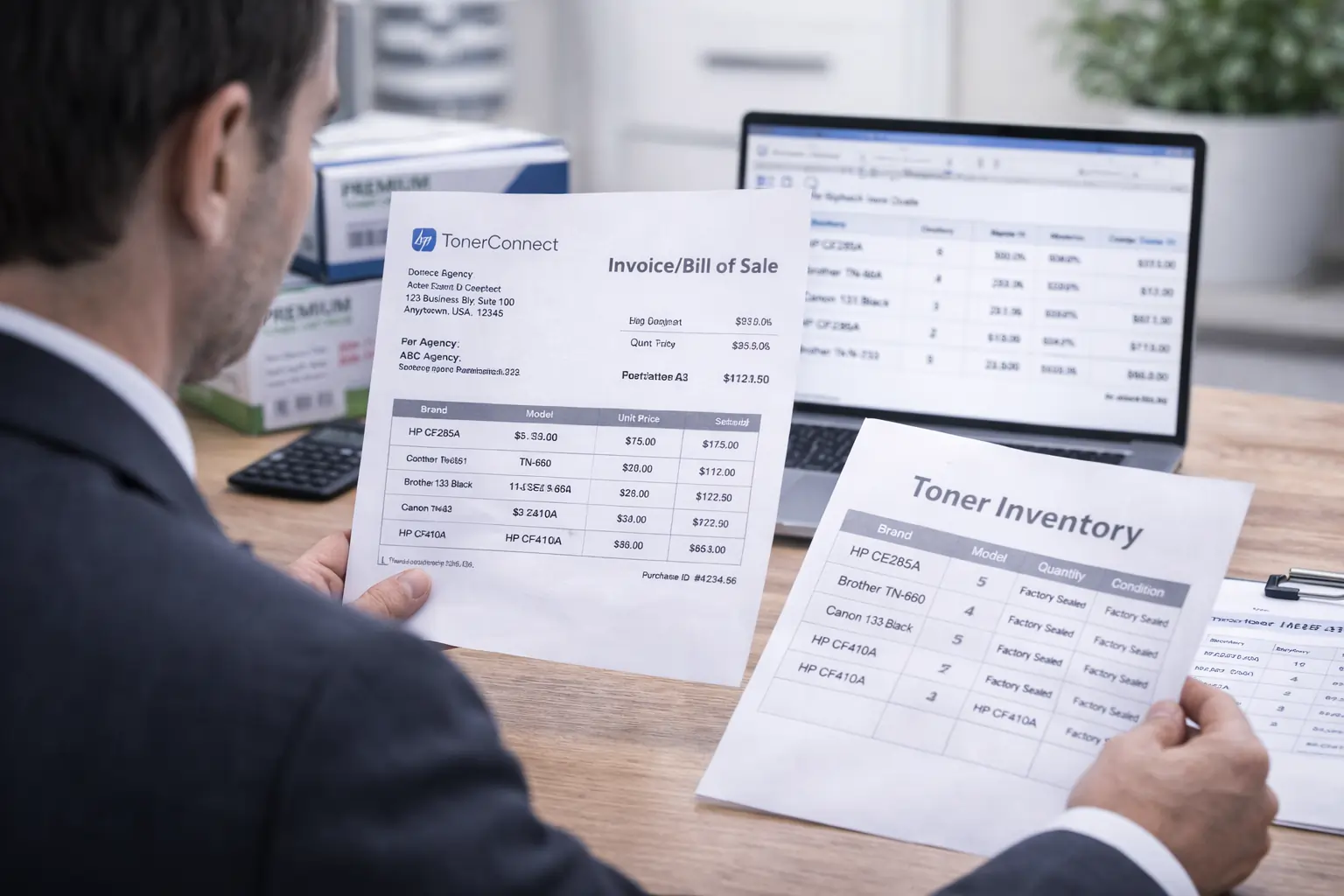
    Once your package lands at the facility, the receiving team gets to work. They’ll inspect the contents, checking each cartridge against your quote to verify model numbers and the condition of the boxes. As long as everything looks good and matches your list, your payment is cleared for processing.

    The final step is getting paid, and this is usually fast and flexible. Most top-tier services, including us at Toner Connect, issue payment the same business day your items are verified. You can generally pick how you want your money:

    • Zelle: For an instant transfer right into your bank account.
    • PayPal: A quick and easy option if you use the platform regularly.
    • Company Check: For those who prefer a traditional paper check in the mail.

    Follow these simple packing and shipping tips, and you’ll ensure your surplus cartridges arrive in perfect shape. It’s the best way to guarantee a hassle-free transaction and turn that office clutter into cash, fast.

    Creating a Long-Term Cartridge Management Strategy

    That first big cleanout of the supply closet feels great, doesn’t it? But the real win comes from turning that one-time purge into an ongoing, sustainable process. A single cleanout is a temporary fix; a long-term strategy, on the other hand, transforms a reactive chore into a proactive part of your business that can consistently bring in cash and seriously boost your company’s green credentials.

    The idea is to build a simple, repeatable system. This isn’t just about knowing where to send old cartridges. It’s about creating a formal process that kicks in the moment a new or used cartridge becomes available, ensuring nothing slips through the cracks and into a landfill.

    An organized desk with shelves of labeled black storage bins, a plant, and a tablet displaying a spreadsheet for tracking items.

    Maximizing Value with Strategic Selling

    Let’s be clear: not all surplus cartridges are created equal, and timing your sale can make a huge difference in what you get back. An effective strategy is all about knowing what to sell and when to sell it.

    Some printer models—and their cartridges—hold their value for a surprisingly long time. For instance, toner for popular, workhorse HP LaserJet printers often stays in high demand for years. On the flip side, ink for an obscure desktop photo printer from five years ago might see its value drop off a cliff. Pay attention to which printers are the daily drivers in your office; that knowledge will guide your purchasing and selling decisions.

    Here’s an insider tip I always give: sell smaller batches more frequently. Don’t wait until you have a mountain of boxes. Selling every few months prevents two major headaches:

    1. Damage: The longer those boxes sit in a closet, the more likely they are to get dented, crushed, or water-damaged. Any damage kills their buyback value instantly.
    2. Obsolescence: If you wait a year to sell, you run the risk of that printer model being discontinued. When that happens, the value of its cartridges can plummet overnight.

    A proactive approach turns supply management into a smart financial habit. Instead of a once-a-year scramble, you create a predictable, recurring revenue stream simply by staying on top of your inventory.

    Integrating Recycling into Your Environmental Policy

    A truly sustainable strategy is about more than just making a few bucks. It’s about formalizing your company’s commitment to doing the right thing. When you integrate cartridge recycling directly into your official policies, it becomes a visible and measurable part of your operations.

    This doesn’t have to be complicated. It can be as simple as adding a clause to your office procedures manual or as formal as including it in your annual Corporate Social Responsibility (CSR) report. The point is to make it official. For anyone looking to weave this into a broader business plan, understanding the best practices for inventory management provides a fantastic framework for tracking and reporting.

    So, how do you make this practical?

    Building Your Formal System

    A formal process sounds intimidating, but it’s really just a few simple habits. Here’s a blueprint for a robust and effective long-term plan:

    • Designate a Central Collection Point. Set up two clearly labeled bins in a spot everyone passes, like the mailroom or copy station. One bin for “Used Cartridges for Recycling” and another for “New/Surplus Cartridges for Resale.” This simple visual cue prevents a brand new, valuable cartridge from getting tossed in with the empties.
    • Establish a Regular Schedule. Put someone in charge of the bins and set a recurring calendar reminder—quarterly works well for most offices. They can audit the “New/Surplus” bin, and once you have five or more valuable OEM cartridges, it’s the perfect time to get a quote from a buyback service like us.
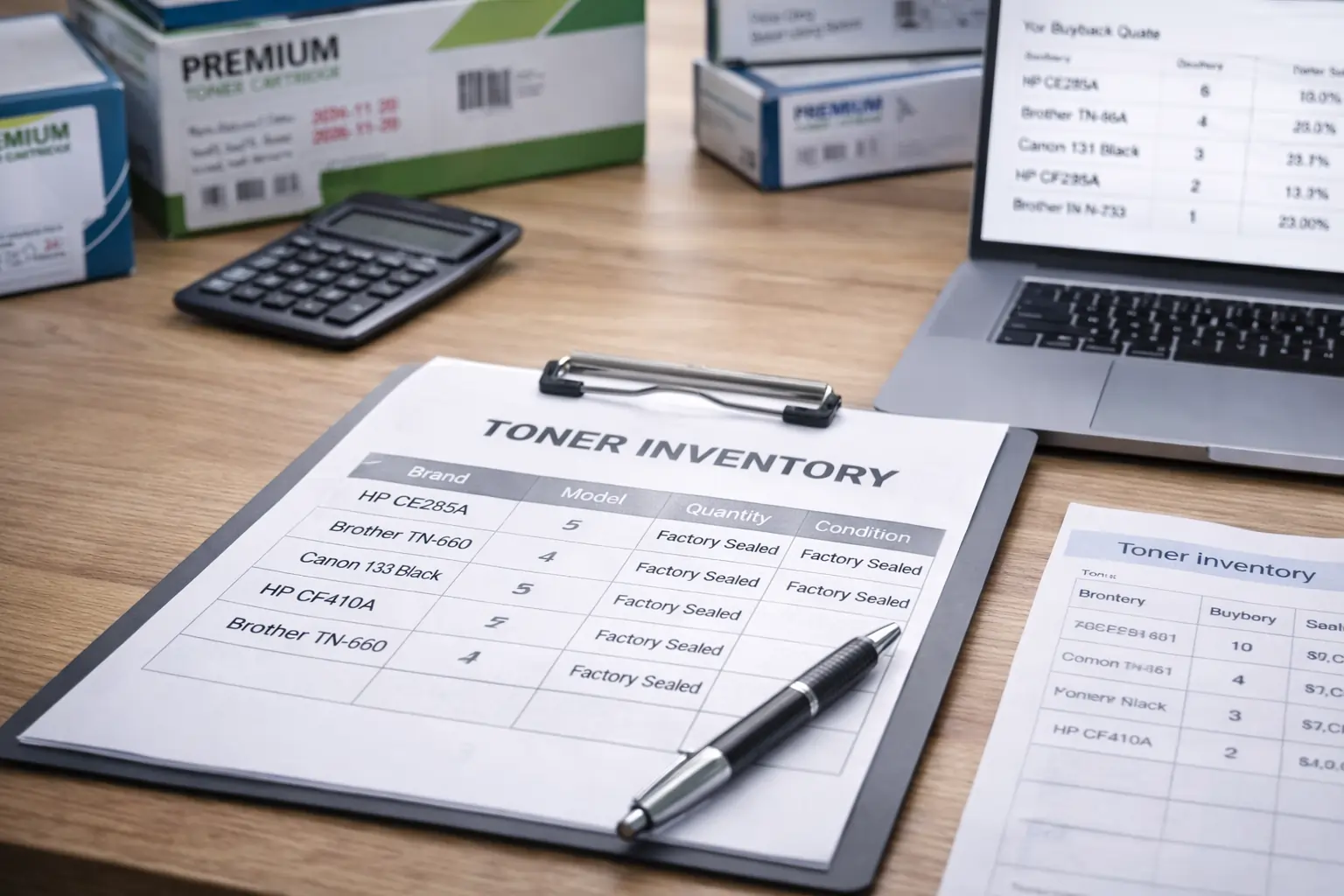
    • Track Your Impact. Keep a simple spreadsheet to log your progress. Note how many cartridges you recycled and how much cash you generated from sales each quarter. This data is pure gold. Imagine being able to report that your office diverted 50 lbs of plastic from landfills and generated $1,500 in recovered assets. That looks incredible in any sustainability report or company-wide update.

    By putting a formal strategy in place, you create a closed-loop system. It’s a reliable process that not only helps your bottom line but also gives you tangible proof of your company’s commitment to operating responsibly.

    Got Questions? Let’s Talk Cartridges

    Even after you’ve got a game plan, a few questions are bound to pop up. Sorting through the world of printer cartridges can feel a little confusing at first, but it gets simple once you know the lingo and the process. We’ll tackle the most common questions we hear from businesses every day.

    Think of this as the expert advice you’d get over the phone. We’ll clear up the confusion between different cartridge types, show you what makes a cartridge valuable, and walk you through shipping and getting paid.

    OEM vs. Remanufactured vs. Compatible: What’s the Difference?

    It’s incredibly common to mix these terms up, but the difference is night and day, especially when you’re looking to sell your surplus. Each one has a distinct role in the market.

    • OEM (Original Equipment Manufacturer): This is the genuine article. An OEM cartridge is made by the same brand that built your printer—think HP, Brother, or Canon. They’re known for top-tier quality and reliability, which is why buyback programs exclusively purchase new, unopened OEM cartridges.
    • Remanufactured: These are the eco-friendly workhorses. A remanufactured cartridge is a used OEM cartridge that’s been professionally cleaned out, refilled with new ink or toner, and rigorously tested. They’re great for your office printing needs but don’t have any resale value in a buyback.
    • Compatible: These are brand-new, third-party cartridges. Think of them as the generic version. For example, a cartridge sold by a brand like “LD Products” that fits an HP printer is a compatible. While they offer a cheap alternative for printing, they have zero resale value and often can’t be recycled through standard programs.

    Bottom line? When you’re sorting your inventory, the new, sealed OEM cartridges are the only ones that can put cash back in your pocket.

    How Can I Tell if My Unused Cartridges Are Worth Anything?

    The value of your extra cartridges comes down to a few key details, and the rules are a bit different for ink versus toner. It’s all about condition and age.

    For toner cartridges, the box must be factory-sealed and look good. Any major dents, crushed corners, writing on the box, or broken seals will unfortunately disqualify it from most buyback programs.

    For inkjet cartridges, the most crucial factor is the expiration date printed on the box. Most buyers, including us here at Toner Connect, need at least 12 months of shelf life left. An expired ink cartridge has no value, even if the box is pristine.

    The quickest way to know for sure? Just ask. Snap a few clear pictures of your cartridges, making sure to show the box condition and any dates, and email them over to a buyback company for a quick, no-pressure quote.

    Is It Safe to Ship Cartridges? And How Do I Get Paid?

    It absolutely is. Reputable buyback companies have perfected the process to make it completely safe and painless for you. Once you accept an offer, you’ll get a prepaid shipping label that is fully insured.

    That insurance is the key. It means you’re covered if the box gets lost or damaged on its way. You have zero risk in the process.

    After your cartridges arrive and get inspected to make sure they match the quote, payment is sent out fast—often on the same business day. You can typically choose how you want to get paid:

    • Zelle
    • PayPal
    • A digital check sent to your email
    • A classic paper check in the mail

    If you’re looking for more details on our process, from packaging tips to payment timelines, check out our comprehensive cartridge buyback FAQ section.

    What Really Happens to Cartridges I Recycle at a Store?

    When you drop a used cartridge in a bin at a place like Staples or Office Depot, you’re doing more than just decluttering. You’re kicking off a circular process that gives that cartridge a second life.

    Those bins are collected and shipped to specialized recycling centers. There, cartridges are sorted by type and condition. The ones that are still in good shape are sent off to be remanufactured. They get professionally cleaned, refilled, and tested before being sold as a sustainable alternative to new cartridges.

    If a cartridge is too worn out or damaged for reuse, it’s broken down into its core components. The plastics and metals are separated and recycled into raw materials, ready to be used in totally new products. It’s a true zero-waste system.


    Ready to turn that pile of boxes in the supply closet into cash? At Toner Connect, we make selling your surplus, unopened OEM printer cartridges simple, safe, and profitable. Get a fast, no-obligation quote today and discover what your unused supplies are really worth.

    Get Your Free Quote Now at Toner Connect

    Categories

    Most recent

    About the Author

    James Cai
    Back to Blog
    toner-map

    Toner Connect LLC,
    90 Dayton Ave,
    Bldg 9, Unit 4J,
    Passaic, NJ 07055

    (833)-866-3703

    info@tonerconnect.net

    Mon-Fri 9 am-5pm EST
    Latest Posts
    Toner vs Cartridge An Essential Guide for Resellers
    Toner vs Cartridge An Essential Guide for Resellers
    January 18, 2026
    James Cai
    Your Ultimate Guide to the Types of Printer Ink
    Your Ultimate Guide to the Types of Printer Ink
    January 17, 2026
    James Cai

    See More >>

    Review Us
    EXCELLENT
    4.8 Average 500+ Reviews
    REVIEWS

    Toner Connect has no affiliation with HP or Xerox. All brand names and trademarks referenced are the property of their respective companies. While we make reference to brand name merchandise, we are in no way endorsed by or associated with these companies.

    Copyrights © 2025
    Terms & Conditions | Privacy Policy | Sitemap