
Ever open a storage room and find unused toner cartridges stacked to the ceiling, leftovers from a printer refresh, a contract change, or a model that’s been retired? If you’re wondering how government agencies can sell unused toner cartridges (legally, transparently, and with solid audit trails), the key is treating the stash like surplus property, not office clutter.
Below is a practical, compliance-minded playbook for federal, state, and local agencies to convert new, genuine OEM toner and ink into recovered value, while keeping procurement, property, and finance teams happy.
For state/local agencies
Rules vary by state and municipality; many jurisdictions require a surplus declaration, approvals, specific sale methods (sealed bid/auction), and documentation. Examples of public guidance exist (often framed for cities/municipalities) and consistently emphasize following local ordinances/policies.
2) Confirm What You Can Actually Sell (and What Buyers Want)
Most buyers are interested in:
-
New, unused, genuine OEM cartridges (HP, Canon, Brother, etc.)
-
Factory-sealed units
-
Non-expired ink (toner typically doesn’t have the same strict expiry concerns as inkjet)
What usually doesn’t sell well:
-
Opened/used cartridges
-
Remanufactured or generic compatibles
-
Anything with missing seals or questionable provenance
Government-specific note: if items were obtained under special pricing, program terms, or restricted-use agreements, confirm there are no contractual limitations on resale. (This is where your property/procurement team saves you pain later.)
3) Build a “Bid-Ready” Inventory Spreadsheet (Your Best Anti-Dispute Tool)
If there’s one step that prevents rework and payout reductions, it’s a clean inventory list.
Include columns like:
-
Brand
-
OEM part number (critical)
-
Description (color/yield)
-
Quantity
-
Box condition (be objective)
-
Expiration date (especially ink)
For box condition, skip “good” and use specific language:
-
“Mint, shelf-ready”
-
“Minor tear on top flap, seal intact”
-
“Corner crush, box unopened”
-
“Outer box open, inner bag sealed”
Tip for agencies: add asset tags or internal stock codes as a separate column (for your internal reconciliation), but do not place stickers/tape on the OEM product box if you can avoid it, packaging condition often affects resale value.
4) Choose a Disposal Path That Matches Government Requirements
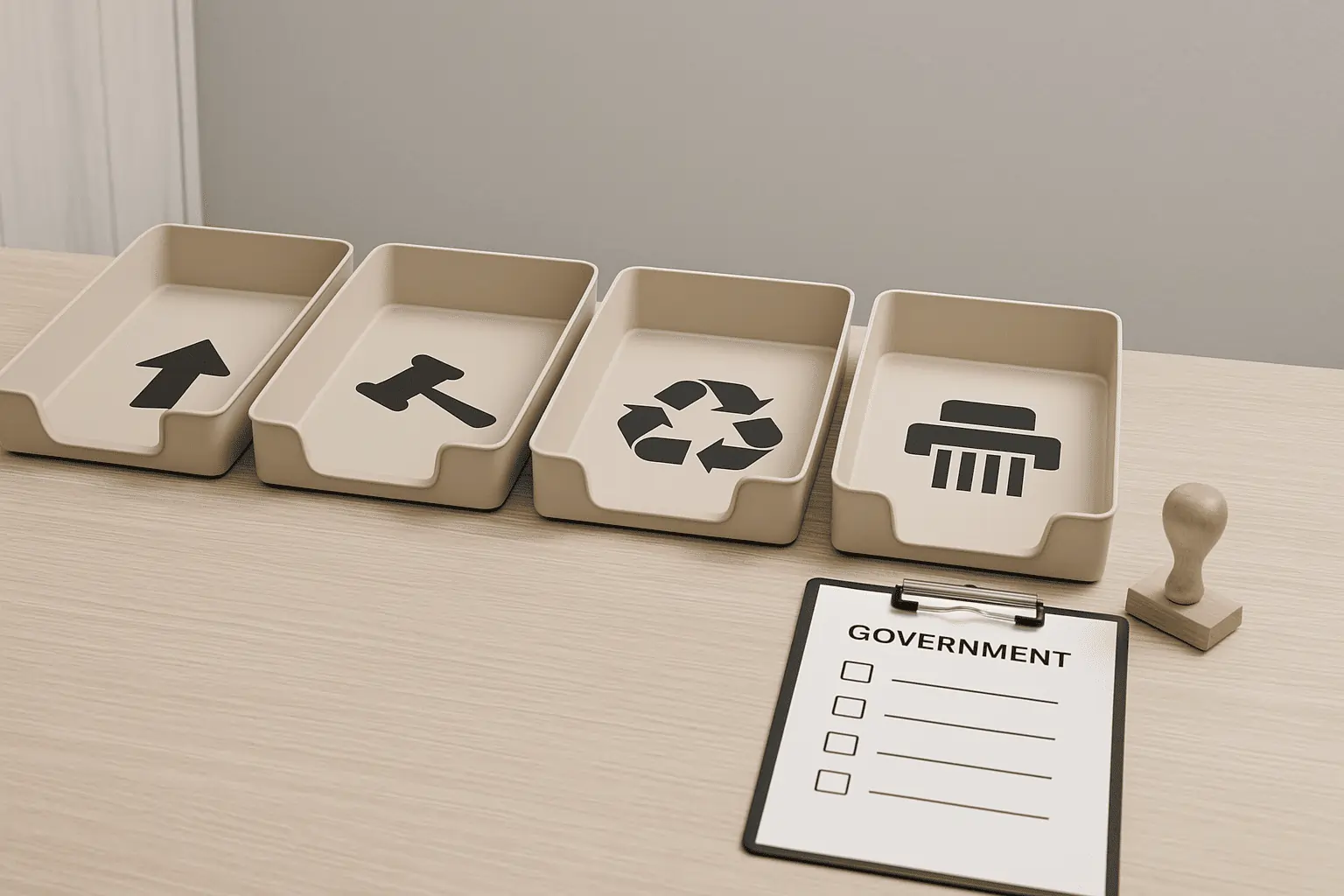
Depending on your rules and volume, agencies commonly use one of these paths:
A) Internal reutilization first (often required)
Before selling, many government frameworks prioritize reuse within the organization (or interagency transfer). FAR 45.6 discusses reutilization/screening and then disposal/sale.
Forget generic advice. In the next sections, we’ll dive into clear, actionable strategies to help you figure out what your cartridges are actually worth and select the program that best fits your inventory.
B) Approved surplus sale channels or auctions
Some agencies must sell through a formal surplus process, public auction, or approved platform. GSA’s disposal and auctions tools are a reference point for federal property disposal workflows.
C) Direct sale to a vetted buyback partner (where allowed)
If your policy permits direct sale (often with quotes and documentation), a buyback partner can be fast and straightforward, especially for sealed OEM toner.
C) Direct sale to a vetted buyback partner (where allowed)
If your policy permits direct sale (often with quotes and documentation), a buyback partner can be fast and straightforward, especially for sealed OEM toner.
6) Shipping & Chain-of-Custody: Protect Value and Protect the Agency
Packing matters more than most people think, damage in transit can trigger disputes or reductions.
Agency-friendly best practices:
-
Ship cartridges inside an outer shipping box (never label the OEM product box)
-
Use filler so nothing shifts (bubble wrap/air pillows/paper)
-
Photograph the packed boxes (quick phone photos work)
-
Keep tracking numbers and shipment manifests
-
Match shipment contents to the inventory list and retain copies
If you’re moving large quantities (pallets), document:
-
pallet count
-
carton count
-
total units
-
carrier pickup receipts
This becomes your chain-of-custody file if questions come up later.
7) Is It Legal to Resell OEM Cartridges?
In general, resale of lawfully acquired physical goods is widely recognized in U.S. law principles (often discussed under the “first sale” doctrine context). For background reading, Cornell’s text of 17 U.S.C. § 109 is a common reference point, and DOJ materials also discuss the doctrine and its limits.
-
That said, government agencies may have additional constraints based on:
-
property classification rules
-
grant funding conditions
-
contract terms
-
mandated sale methods (auction vs. direct)
So the legal question is often less “Can resale exist?” and more “Which disposal method is permitted for this agency?”
-
8) A Simple “Ready-to-Sell” Checklist for Government Teams
Use this to keep the process clean:
-
Confirm surplus eligibility and approvals (property/procurement)
-
Create a detailed inventory spreadsheet + photos for damaged packaging
-
Determine the authorized disposal path (auction/public sale/direct buyer/etc.)
-
Collect written quotes with clear grading/inspection terms
-
Ensure prepaid insured shipping or approved logistics
-
Keep documentation: approvals, inventory, quotes, shipping, inspection results, payment records
Closing: Turn Idle Supplies Into Recovered Value (The Right Way)

When handled properly, selling surplus OEM toner is one of the cleanest forms of asset recovery: low labor, straightforward documentation, and real budget relief. The agencies that get the best outcomes do three things consistently: follow surplus policy, document everything, and work only with transparent buyers.
If you want to include a soft CTA in your blog, you can point readers to a “quote request” page and mention that the fastest quotes come from a spreadsheet with OEM part numbers, quantities, and box condition, then link internally to your two related guides for deeper reading.
Ready to turn that pile of surplus printer supplies into cash? At Toner Connect, we make it simple to get paid for your new, unused OEM cartridges. Get a fast quote, free shipping, and quick payment today. Find out how much your cartridges are worth