
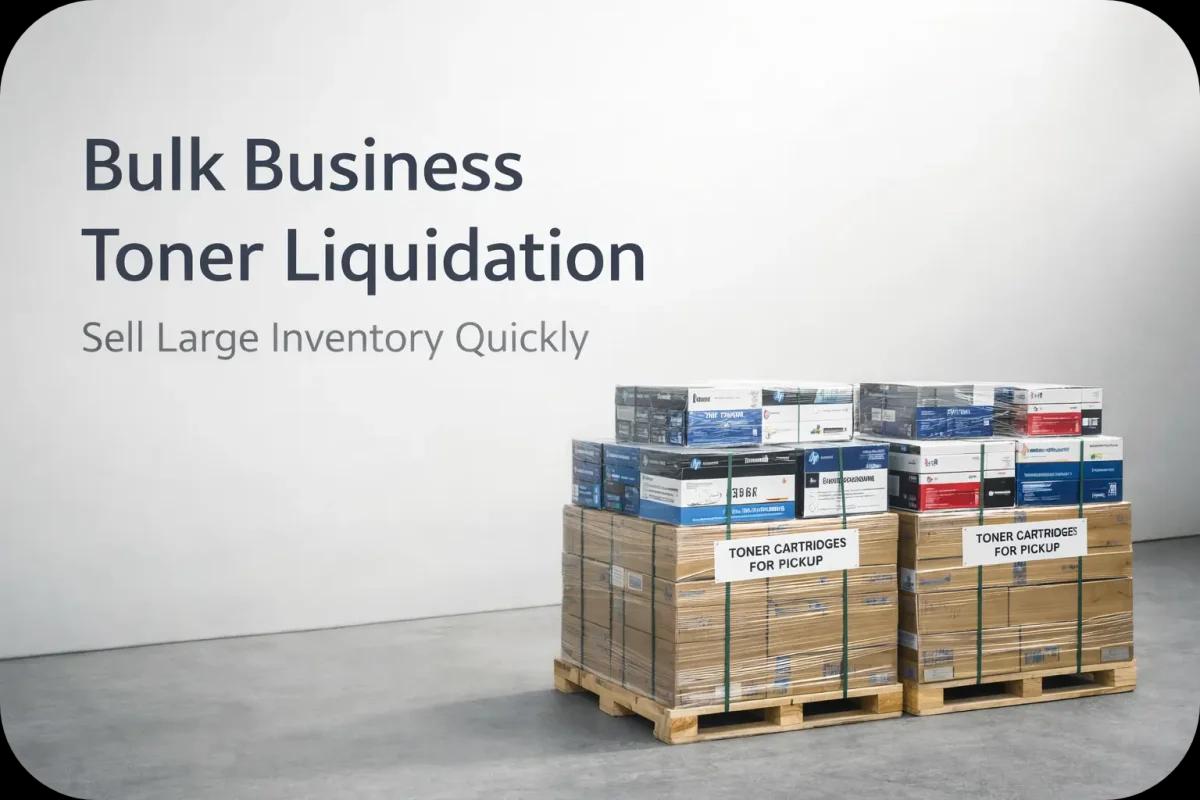
Bulk Business Toner Liquidation: How to Sell Large Inventory Quickly
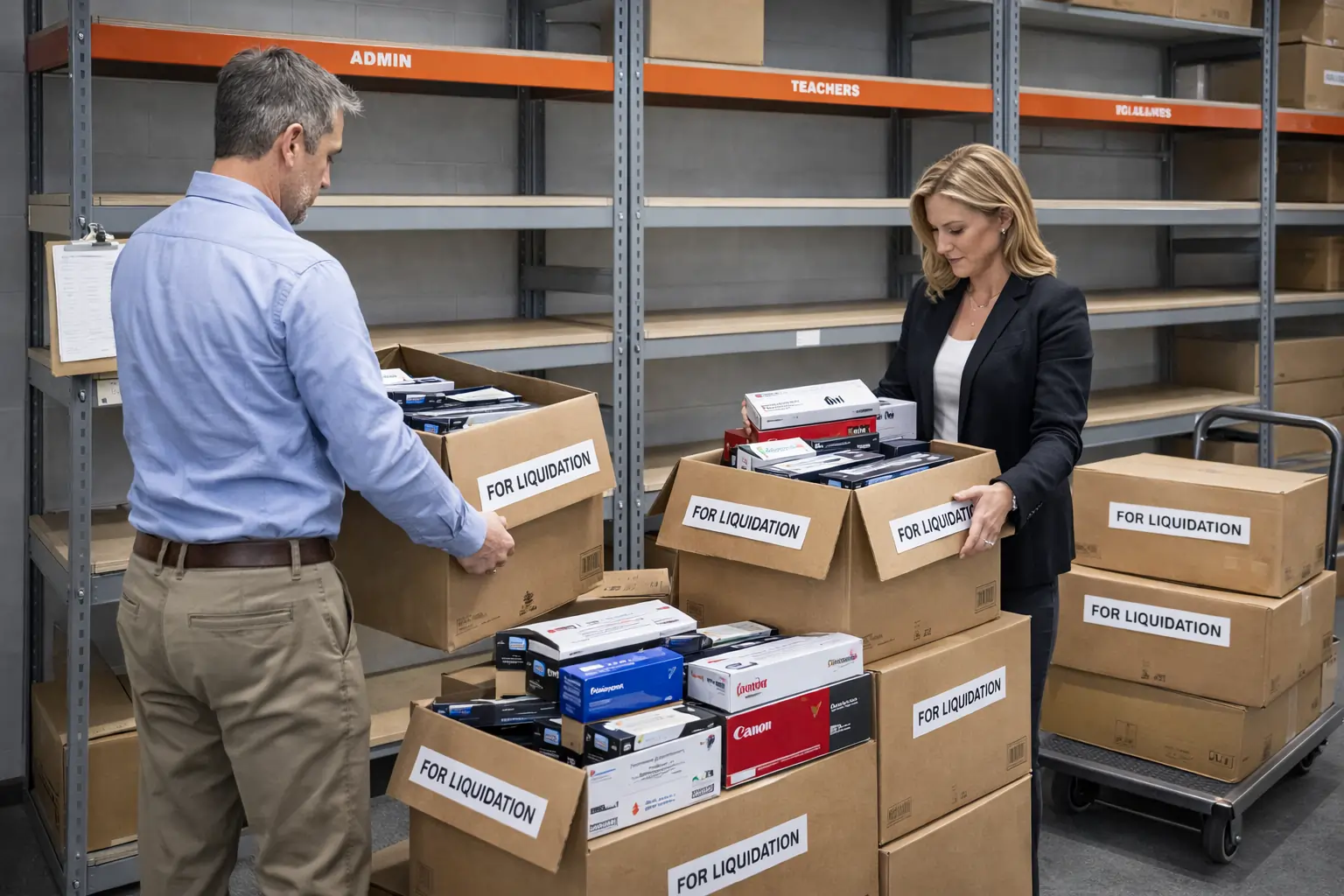
If your company is sitting on shelves of unused printer supplies, it may be time to consider business toner liquidation. Whether due to office closures, printer upgrades, over-purchasing, or mergers, excess toner inventory ties up capital and valuable storage space.
The good news? Large quantities of unopened toner can be converted into real cash, quickly, when you follow the right strategy.
In this guide, we’ll walk through how businesses can liquidate toner inventory efficiently, securely, and with minimal disruption.
Why Businesses End Up with Large Toner Inventory?
Bulk toner accumulation is more common than you might think. Common scenarios include:
- Company downsizing or relocation
- Switching to a managed print service
- Upgrading printer fleets
- Overstock from bulk purchasing discounts
- Department consolidations
Because toner cartridges (especially OEM brands) are often bought in large quantities, even minor operational shifts can create surplus inventory.
Instead of letting it sit unused, business toner liquidation turns that surplus into recovered revenue.
Why Speed Matters in Toner Liquidation?
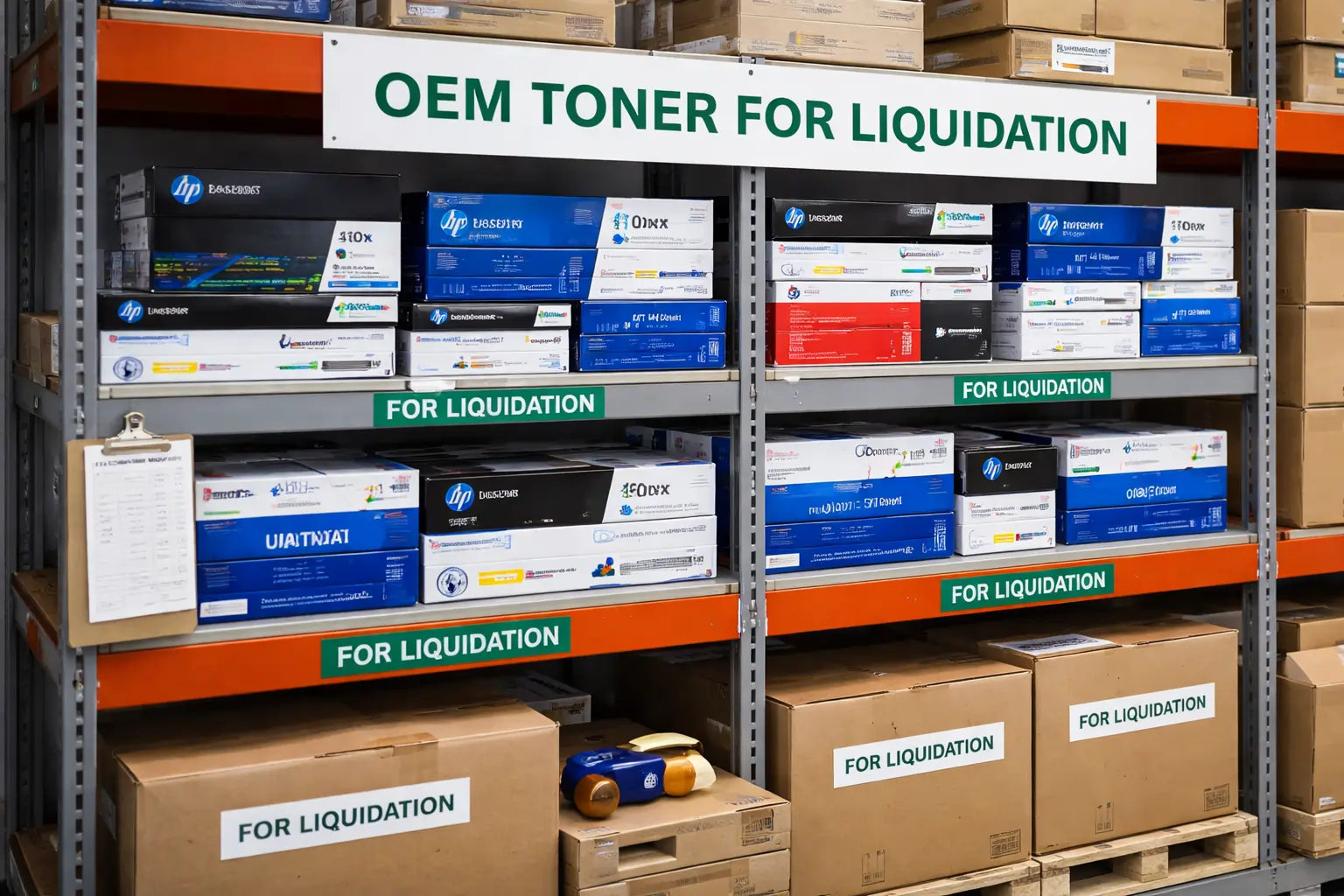
When liquidating toner, timing impacts value.
1. Expiration Windows
Although toner lasts longer than ink, resale demand declines as expiration dates approach.
2. Market Demand Fluctuations
Printer model demand changes over time. Older models eventually phase out.
3. Storage Costs
Inventory takes up warehouse or office space that could be used more productively.
According to industry data from Statista, the global printer supplies market remains active, but demand shifts as technology evolves.
The faster you act, the better your potential return.
What Types of Toner Sell Best in Bulk?
If you’re planning business toner liquidation, these factors increase resale value:
- OEM (Original Equipment Manufacturer) cartridges
- Factory-sealed packaging
- High-yield (XL) models
- Popular brands like HP, Brother, Canon, Xerox, Lexmark
- Black toner and high-demand color models
Damaged boxes, expired cartridges, or opened units significantly reduce payout potential.
Before selling, conduct a condition audit.
The Fastest Way to Sell Large Toner Inventory
When your goal is speed, traditional marketplaces aren’t always ideal.
Let’s compare options.
Option 1: Selling on eBay or Amazon
Pros:
- Retail-level pricing potential
Cons:
- Time-consuming listings
- Individual item management
- Platform fees
- Returns and disputes
- Slow turnover for bulk inventory
Listing 200+ cartridges individually can take weeks or months to sell.
For large-scale liquidation, this approach is rarely efficient.
Option 2: Selling to a Specialized Toner Buyback Company (Fastest Option)
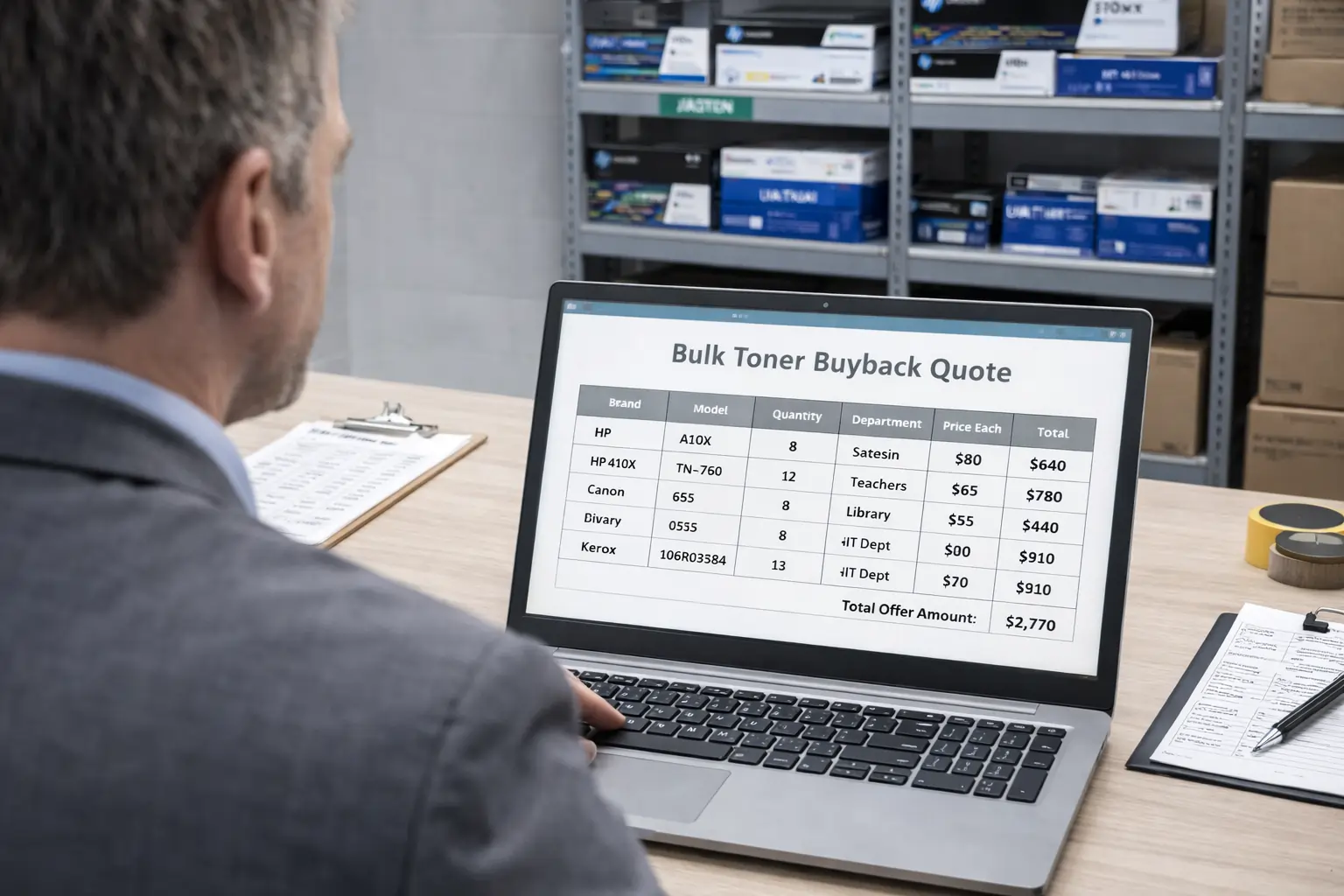
For bulk business toner liquidation, working directly with a dedicated toner buyer is typically the fastest route.
The process usually involves:
- Submitting a full inventory list
- Receiving a bulk quote
- Coordinating shipment or freight
- Receiving payment after inspection
Platforms like Toner Connect specialize in purchasing unused OEM toner inventory in large quantities.
This approach eliminates:
- Listing management
- Marketplace fees
- Individual buyer interactions
- Slow sales cycles
For businesses seeking quick liquidation, simplicity equals speed.
Step-by-Step: How to Liquidate Toner Inventory Quickly?
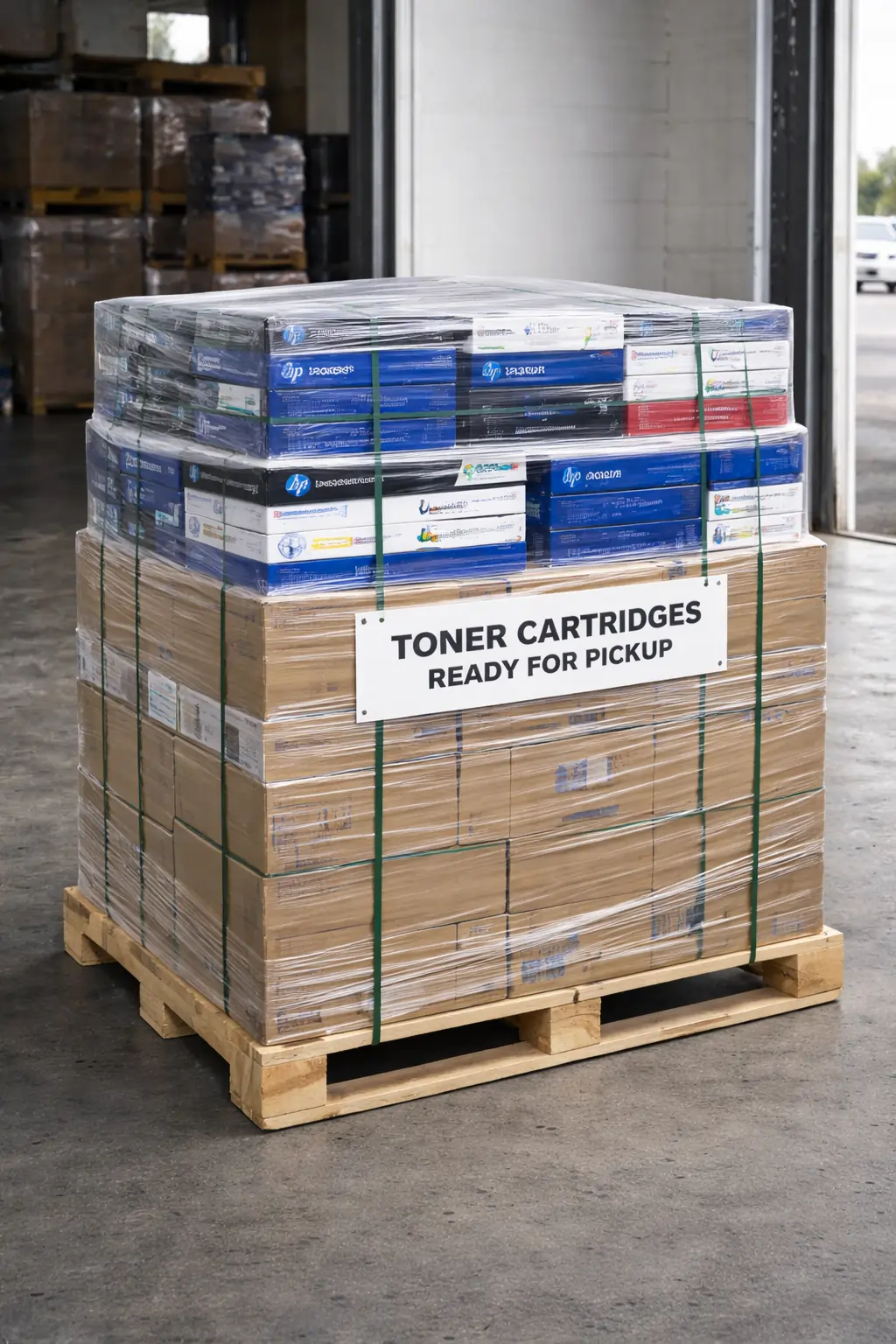
Here’s a streamlined action plan.
Step 1: Conduct a Full Inventory Audit
Create a spreadsheet including:
- Brand
- Model number
- Quantity
- Condition
- Expiration date
Accuracy speeds up quoting and avoids pricing adjustments later.
Step 2: Separate Sellable from Non-Sellable Inventory
Typically sellable:
- Sealed OEM toner
- Undamaged packaging
- In-demand models
Non-sellable:
- Opened boxes
- Expired units
- Heavily damaged packaging
Step 3: Request a Bulk Quote
Submit your full inventory list to a professional toner buyer.
Request a quote directly at Toner Connect.
Bulk quotes allow you to evaluate total recovery value before shipping.
Step 4: Coordinate Freight or Shipping
For large quantities:
- Palletized freight shipping is often used
- Secure packaging prevents damage
- Track shipments carefully
USPS and commercial freight guidelines offer packaging recommendations, though freight carriers are common for pallet loads.
Step 5: Receive Payment
After inspection and verification, payment is typically issued according to agreed terms.
Professional buyers streamline this process to minimize delays.
How to Maximize Your Liquidation Value?
To improve your payout:
Act Early
Don’t wait until toner approaches expiration.
Maintain Packaging Integrity
Avoid writing directly on boxes.
Provide Accurate Inventory Counts
Discrepancies slow down transactions.
Sell in Larger Batches
Bulk transactions are more attractive to buyers.
The more organized your inventory, the faster the transaction.
Environmental Benefits of Toner Liquidation
Beyond financial recovery, toner liquidation supports sustainability.
Selling unused toner:
- Reduces landfill waste
- Extends product life cycles
- Supports circular supply chains
The EPA encourages reuse of office supplies as part of sustainable waste reduction efforts.
Business toner liquidation benefits both your bottom line and environmental responsibility goals.
When Business Toner Liquidation Makes the Most Sense
Liquidation is ideal when:
- Closing or relocating offices
- Upgrading printer fleets
- Switching to managed print services
- Conducting annual inventory audits
- Recovering budget before fiscal year-end
In these cases, speed and simplicity matter more than squeezing out maximum retail pricing.
Final Thoughts
Business toner liquidation doesn’t have to be complicated. With the right process, companies can sell large inventory quickly and convert surplus supplies into immediate capital.
While marketplaces may work for small quantities, bulk sellers typically benefit most from specialized toner buyback platforms like Toner Connect, which streamline the process and reduce administrative burden.
If you’re sitting on shelves of unused toner, acting quickly protects value and frees up resources, turning dormant inventory into recovered revenue.